The Official Story: A Show of Unity and Athletic Success
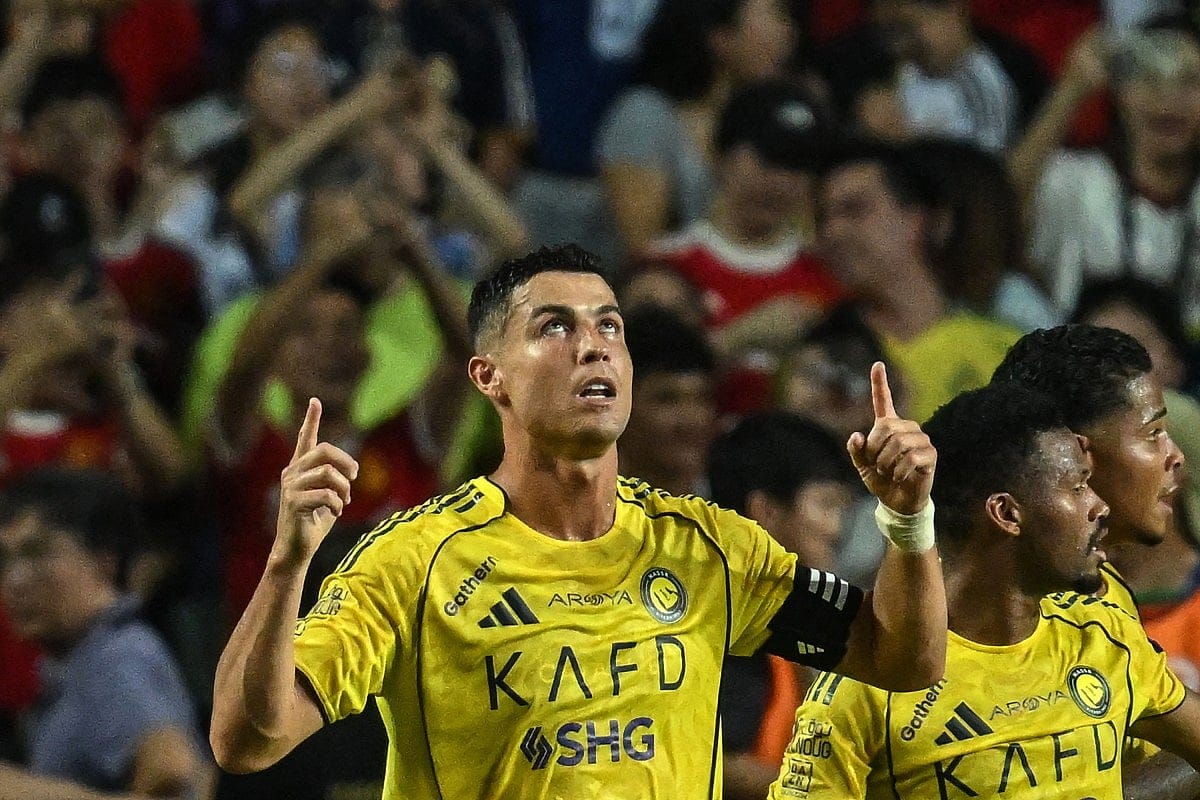
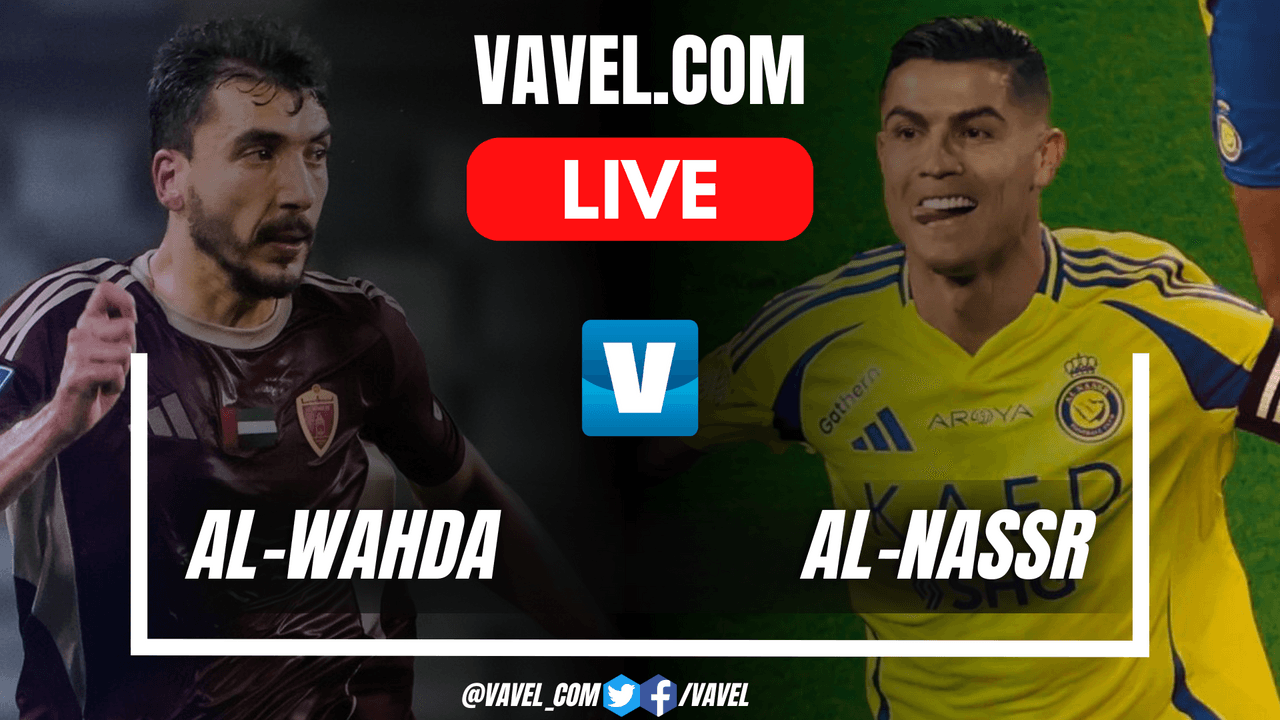
Let’s start with what they want you to believe. The official narrative, the one plastered across every state-controlled news feed and every glossy advertisement, is simple. Cristiano Ronaldo, the greatest goal scorer of all time, came to Saudi Arabia’s Al Nassr to lift the standard of football in the region. The recent match against Al Wahda in Abu Dhabi, which Al Nassr won 3-2, was just another spectacle, a testament to the growing excitement surrounding the Saudi Pro League (SPL) and a symbol of regional sporting cooperation. You saw the highlights, you saw Ronaldo score, you saw the ‘Suuui’ celebration in front of a packed stadium. It’s all part of the ‘Vision 2030’ plan—a sugar-coated, perfectly packaged story of cultural development and global integration through sport. This is the official line, the one that tells you everything is fine, the one that claims these high-profile events are about pure, unadulterated passion for the beautiful game, and nothing else.
But if you’re willing to lean in and listen to what’s really happening behind the scenes, you’ll find that everything about this narrative, from the high-profile transfers to the locations of the matches, is a carefully orchestrated lie. It’s a performance designed for Western consumption, and Ronaldo is the most expensive puppet ever bought. The reality is far more complex, much darker, and ultimately far more cynical than the simple stories they feed you.
The Insider’s Truth: The Gilded Cage and the Geopolitical Chessboard
Let’s talk about the match location first, because that’s the key. Al Nassr playing Al Wahda in Abu Dhabi isn’t a random event; it’s a strategic move in a regional power struggle. See, while Saudi Arabia and the United Arab Emirates are often seen as allies by the outside world, behind closed doors, a fierce rivalry for cultural and economic dominance of the Gulf region is raging. Saudi Arabia, with its enormous wealth and ambitious Vision 2030, wants to replace the UAE—specifically Dubai and Abu Dhabi—as the primary hub for business, tourism, and entertainment in the Middle East. And the UAE is pushing back hard. So when Saudi’s flagship team, Al Nassr, travels to Abu Dhabi, it’s not cooperation; it’s a direct challenge. It’s essentially saying, ‘We’re bringing our biggest star to your turf, and we’re going to win, demonstrating that our new league is now the center of gravity, not yours.’
And this is where Ronaldo himself becomes a weapon. Because the ‘Suuui’ celebration in Riyadh has one meaning—it’s about Saudi success. But the ‘Suuui’ celebration in Abu Dhabi, on foreign soil, carries an entirely different, highly charged message. It’s a public display of dominance by the Saudi project in the heart of their rival’s territory. The organizers want this footage to be seen globally. They want the narrative to be: ‘Look, the star of the Saudi league is celebrating victory in your capital.’ It’s a sophisticated psychological operation dressed up as a simple football match. And Al Nassr’s 3-2 victory, where Ronaldo himself scored, was the perfect outcome for this particular piece of propaganda.
The Money, The Motive, and The Façade
Let’s pull back the curtain on the money. The official numbers for Ronaldo’s contract are staggering, yes, but sources tell me the real cost goes far beyond just his salary. There are hidden clauses, image rights stipulations, and appearance bonuses that make his presence a financial black hole. Because the goal isn’t just to sell tickets to a game; the goal is to sell the *idea* of Saudi Arabia as a modern, progressive nation. Ronaldo isn’t just a player for Al Nassr; he’s an ambassador for a regime, a high-value asset in a sports washing operation that dwarfs anything seen before. But this model is fundamentally flawed and unsustainable. They are essentially inflating the market with astronomical sums that have no basis in economic reality. They are operating a league where the top players are paid more than the entire revenue generated by the league itself. It’s a cash bonfire to create an illusion.
But this façade has real consequences. Because while Ronaldo gets all the headlines and all the money, the actual development of local football talent stagnates. The focus is entirely on importing aging European stars at exorbitant rates. The local players are relegated to supporting roles, overshadowed by the spectacle. The league itself becomes a high-budget circus, not a genuine competitive environment. And when the music stops, when Ronaldo and Benzema and Neymar eventually retire or move on, what remains? A league built on sand, a massive stadium complex, and an infrastructure that cannot support itself without continued injections of state oil money. The entire project is built on the premise that global perception will change before the economic reality catches up, and that’s a gamble with huge risks.
And it’s important to understand Ronaldo’s personal dilemma here. Because he’s not just a free agent who decided to play in a new league. He’s a superstar at the end of his career who found himself in a gilded cage. He’s paid handsomely, true, but he’s also required to be the face of a political project. His movements, his public statements, even his iconic celebration in specific locations, are no longer purely his own. They are elements of a meticulously planned script. He’s a pawn in a game between the Saudis and the Emiratis, and the match against Al Wahda in Abu Dhabi was just the latest move. The real question isn’t whether Al Nassr won; it’s whether Saudi Arabia’s project won that particular battle in the ongoing information war. And by all accounts, they absolutely did.