Contextual Analysis: A Critical Lapse in Food Safety
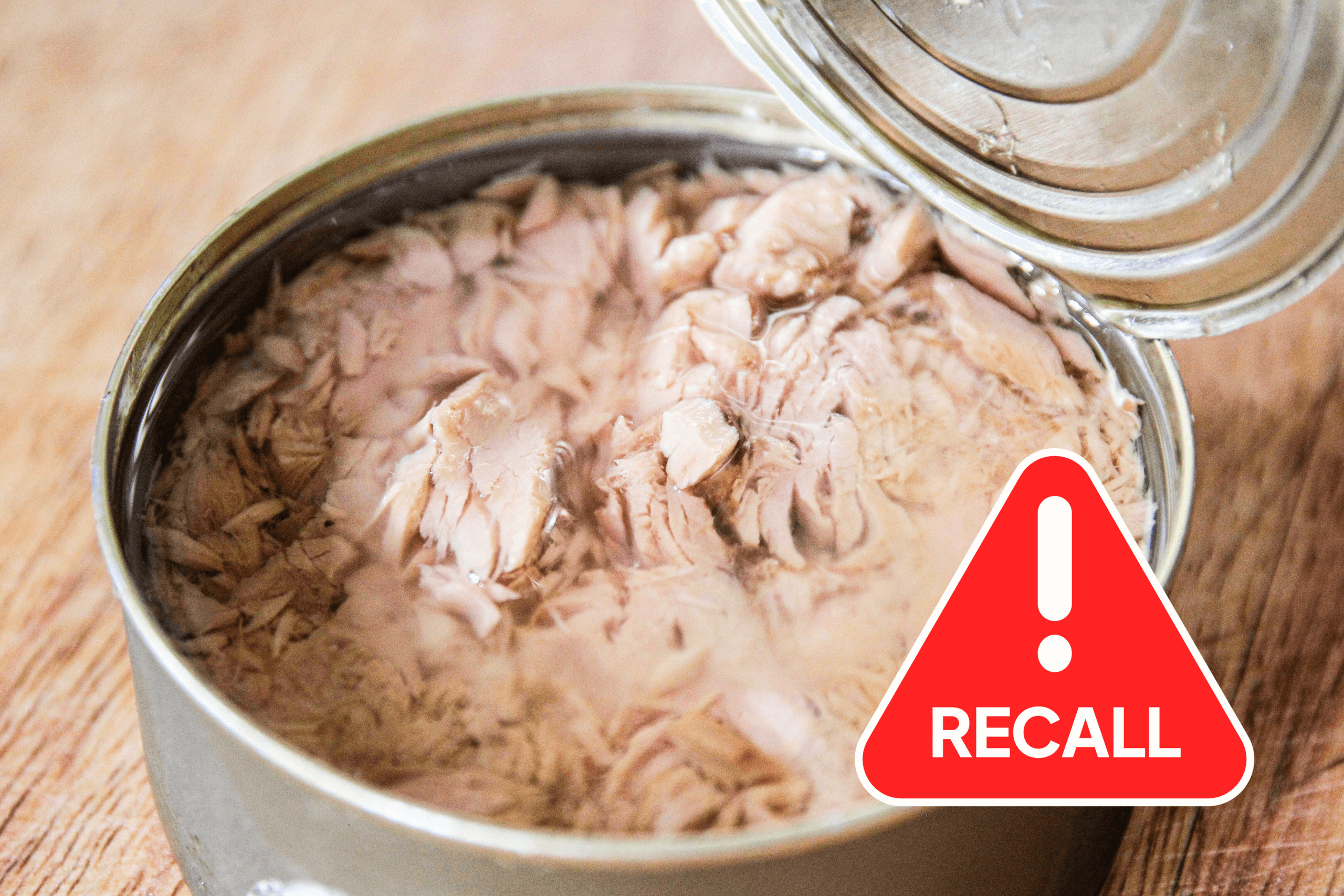
In a concerning development for consumer safety, the U.S. Food and Drug Administration (FDA) announced on January 20, 2026, a widespread recall of canned tuna. The gravity of this recall is heightened by the revelation that products previously subject to an earlier recall were mistakenly distributed to retailers across nine states, including Ohio. This incident underscores a critical lapse in the food supply chain, raising immediate alarms about public health due to the potentially fatal risk of botulism.
A distributor inadvertently allowed canned tuna that had already been deemed unsafe for consumption to re-enter the market. The specific details surrounding how a previously recalled product could find its way back onto store shelves are now at the forefront of regulatory scrutiny. This situation moves beyond a simple product defect; it points to a significant breakdown in the recall process itself, a system designed to protect millions of consumers from harm.
Why This Matters: Unpacking the Risks and Systemic Failures
The accidental re-distribution of recalled food products, particularly those with a botulism risk, represents a profound challenge to public health and consumer trust. Botulism, caused by toxins produced by the bacterium Clostridium botulinum, is a rare but severe neurological illness that can be fatal if not treated promptly. The bacterium thrives in oxygen-free environments, making improperly canned foods a common source. Symptoms can include blurred vision, drooping eyelids, slurred speech, difficulty swallowing, muscle weakness, and paralysis. These effects can progress to respiratory failure, necessitating intensive medical care and antitoxin administration.
For consumers, the immediate concern is identification. Individuals in the affected nine states are urged to check their pantries for specific brands and lot numbers that match the recall notice. The ‘potentially fatal’ warning associated with this tuna is not hyperbole; it reflects the serious health outcomes possible from even a small exposure to botulinum toxins. This places a heavy burden on the public to remain vigilant, even after a recall has been initially announced, highlighting the vulnerabilities in the system that necessitate such ongoing consumer diligence.
The Integrity of the Food Supply Chain Under Scrutiny
This incident throws the integrity of the modern food supply chain into sharp relief. A successful food recall relies on meticulous tracking, efficient communication, and rigorous removal protocols at every stage, from manufacturer to distributor to retailer. The fact that recalled product was accidentally shipped indicates a failure at multiple junctures. It could stem from inadequate inventory management, insufficient training, communication breakdowns between parties, or a lack of robust verification systems to ensure that all recalled stock is segregated and properly disposed of or returned.
Such failures erode consumer confidence, not just in the specific product or brand, but in the broader food safety infrastructure. When the public cannot trust that recalled items are effectively removed from circulation, it creates an environment of uncertainty around all food purchases. This has economic ramifications, potentially leading to decreased sales for affected companies and a general hesitancy towards certain product categories.
Regulatory Oversight and Broader Trends in Food Safety
The FDA plays a critical role in overseeing food safety in the United States, initiating and monitoring thousands of recalls annually. This particular incident, however, underscores the challenges inherent in managing a vast and complex food distribution network. While recalls are a necessary tool for protecting public health, their effectiveness hinges on the compliance and diligence of every entity within the supply chain. When an error like this occurs, it often triggers internal investigations by the FDA into the distributor’s practices and compliance with recall procedures.
In a broader context, this event aligns with ongoing discussions about enhancing traceability within the food system. Technologies like blockchain are often proposed as solutions to provide end-to-end visibility of a product’s journey, potentially making recalls faster, more accurate, and preventing re-distribution errors. However, widespread adoption of such advanced systems remains a work in progress across the diverse food industry, leaving many traditional vulnerabilities exposed.
Looking Ahead: Fortifying Food Safety Protocols
The accidental shipment of recalled canned tuna serves as a potent reminder that food safety is a continuous, dynamic challenge requiring constant vigilance and improvement. Moving forward, several critical areas will likely see increased focus from both regulators and industry stakeholders.
Strengthening Recall Mechanisms and Traceability
Expect intensified scrutiny on existing recall protocols, particularly for distributors. Companies involved in food distribution may face pressure to review and enhance their inventory management systems, improve staff training on recall procedures, and implement more stringent verification steps to prevent recalled products from re-entering active stock. The emphasis will be on creating closed-loop systems where recalled items are not just identified but demonstrably removed from the supply chain and accounted for.
Furthermore, this incident may accelerate discussions around mandatory adoption of advanced traceability technologies. While not a silver bullet, better data on a product’s origin, processing, and distribution points could significantly reduce the time and complexity of future recalls, making it harder for errors like this to occur. A robust, digitized traceability system could provide real-time updates on product status, ensuring that once an item is recalled, its movement is instantly flagged and halted across all touchpoints.
Restoring Consumer Confidence
Rebuilding consumer trust will be paramount for the affected companies and, to some extent, for the food industry at large. This involves transparent communication, immediate action, and clear guidance on how consumers can protect themselves. The FDA’s role in disseminating clear, concise information about the recalled products, including UPC codes, lot numbers, and best-before dates, will be crucial. Public awareness campaigns emphasizing the importance of checking product identifiers and understanding recall notices may also become more prevalent.
Ultimately, consumers need reassurance that their food supply is safe. This requires not only effective regulatory oversight but also a demonstrated commitment from food producers and distributors to prioritize safety above all else. Incidents like the accidental re-distribution of recalled tuna serve as sharp lessons in the importance of investing in robust quality control and recall management systems, not just as a compliance measure, but as a fundamental pillar of public health responsibility.
The Evolving Landscape of Food Security
As global supply chains become increasingly intricate, the potential for food safety incidents to have far-reaching consequences grows. This specific recall in nine U.S. states highlights that even well-established regulatory frameworks can be tested by human error and systemic vulnerabilities. The lessons learned from this event will undoubtedly contribute to the ongoing evolution of food safety standards and practices, pushing the industry towards greater resilience and reliability.
For consumers, the message remains clear: stay informed, pay attention to recall notices, and always prioritize food safety in your purchasing and preparation habits. While regulators and industry strive for perfection, an informed and vigilant public remains the final, critical line of defense against potentially harmful food products.