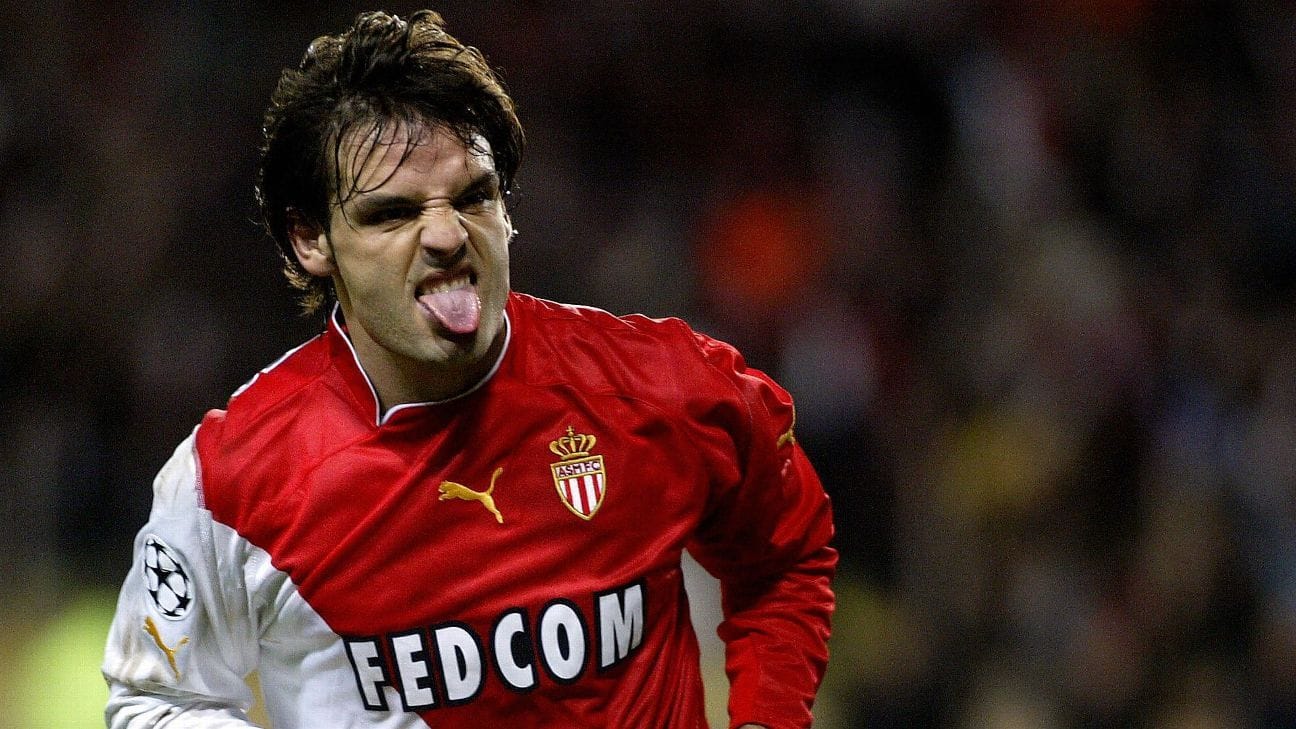
Real Madrid vs. Monaco: The Race to the 16-Point Barrier
The UEFA Champions League League Phase is reaching a critical inflection point, and for titans like Real Madrid, every fixture now carries the weight of immediate qualification. The Spanish giants face AS Monaco in a decisive encounter that analysts view not just as a standard match, but as a crucial step toward securing their place among the elite ‘Top-8’ teams.
The immediate objective is clear and quantifiable. Real Madrid currently holds 12 points in the League Phase standings. The competitive environment demands rapid accumulation, particularly considering the precedent set by the previous season, where the benchmark for safe entry into the knock-out rounds—the ‘Top-8’—was established at a high threshold of 16 points. Winning this upcoming fixture is paramount to alleviate mounting pressure and secure passage with matches to spare.
Contextual Analysis: The Urgency of Four Points
In the evolving landscape of the Champions League format, the League Phase emphasizes consistent performance across a broader schedule, replacing the traditional group stage dynamic. This structure heightens the significance of every result, transforming mid-season fixtures into high-stakes playoff games. For a club synonymous with European success, falling short of the Top-8 qualification margin is institutionally unthinkable.
The four-point gap separating Real Madrid’s current total (12) from the previous season’s safety cutoff (16) underscores the pivotal nature of the Monaco clash. A victory would not only move the club to 15 points—effectively ensuring qualification given likely tie-breakers—but would also provide necessary breathing room ahead of subsequent fixtures that could potentially present greater logistical or competitive challenges.
“The Top-8 passes through winning. Real Madrid has 12 points… and the season before, the cut-off was at 16.”
This quantitative metric is the engine driving the club’s current strategy. The transition from the highly competitive group stage structure to the expansive League Phase demands proactive point management. Failure to secure these points now could drag the qualification race into the final, tense rounds, jeopardizing long-term planning and fixture rotation.
Why This Match Matters: Navigating the ‘Terrible Winter’
The sporting context surrounding Real Madrid is far from ideal. Reports indicate that the club is grappling with a difficult internal period, referred to as the ‘terrible winter.’ This phrase speaks to broader institutional challenges likely encompassing a confluence of poor form, crucial injuries, and player sanctions that have destabilized the squad rotation and overall performance cohesion.
The official reports confirming a list of ‘Lesionados y sancionados’ (Injured and sanctioned) players emphasizes the acute operational difficulty facing the coaching staff. Navigating a high-stakes European fixture while simultaneously managing key personnel absences requires tactical flexibility and depth, which may be tested severely against a challenging Monaco side.
Securing a win against Monaco is thus not merely about three points; it is about providing a necessary psychological lift and demonstrating resilience following this turbulent period. Real Madrid returns to the European scene with the clear mission to shake off the effects of this difficult stretch and decisively assure their standing among the continent’s elite.
Broader Trends: History and Future Echoes
Beyond the immediate point tabulation, the fixture against Monaco resonates with deeper historical significance in the annals of the UEFA Champions League. The rivalry between Real Madrid and AS Monaco is one that ‘revives a historical wound’ and reminds fans of past, highly emotive moments within the competition.
These historical clashes—often defined by unexpected results or dramatic turns—add a layer of narrative tension to the current match. For Real Madrid, confronting Monaco means acknowledging and potentially overcoming a specific competitive memory that has shaped the club’s European identity, further validating a necessary return to stability.
Adding to the long-term strategic analysis, the input confirms that Real Madrid and Monaco are scheduled to meet again in the 2025-2026 UEFA Champions League cycle. This forward-looking confirmation transforms the current encounter into a preliminary gauge of competitive strength, setting a tone for future European clashes between the two historical rivals.
The Strategic Imperative: Managing Roster and Momentum
The operational constraints imposed by injuries and sanctions directly impact the tactical approach needed for this match. A world-class squad like Real Madrid typically possesses the depth to absorb several absences, but sustained periods of roster instability erode competitive momentum and expose vulnerabilities against well-organized opponents.
The current challenge demands tactical prudence: leveraging available talent to maximize results while minimizing the risk of further physical or disciplinary setbacks. Successfully navigating the Monaco fixture under these adverse conditions would be a significant testament to the team’s mental fortitude and the effectiveness of the technical staff’s mid-season crisis management.
Furthermore, early qualification minimizes fixture congestion later in the season. For clubs competing simultaneously for domestic league titles, domestic cups, and the Champions League, the ability to rest key players during otherwise mandatory European matches is invaluable. Securing the Top-8 berth early grants the coaching staff the luxury of rotating the squad, preserving energy for the crucial final stages of the league campaign.
Looking Ahead: The Path Beyond the League Phase
Should Real Madrid achieve the required points total against Monaco, the focus immediately shifts to optimizing their seeding for the subsequent knockout rounds. In the new League Phase structure, not only does qualification matter, but the final ranking dictates the draw severity for the Top-8 bracket.
Maintaining a strong position ensures a theoretically favorable draw, maximizing the club’s chances of reaching the latter stages of the competition, which is the ultimate barometer of success for the institution. The upcoming challenges will transition from point accumulation to strategic game management and injury mitigation.
The confirmed 2025-2026 fixture against Monaco also serves as a long-term strategic note for management, reminding them that historical rivals continue to pose threats. While immediate attention is fixed on the current season’s ‘terrible winter’ and securing the 16-point safety net, the institution is constantly planning for sustained continental dominance.
In summation, the duel between Real Madrid and Monaco is a microcosm of the new Champions League intensity. It is a high-pressure test combining historical narrative, stringent qualification metrics, and the immediate need to overcome significant internal personnel hurdles. A decisive victory here confirms their status and provides the stability needed to pursue European silverware.