The Mirage of Dominance: A Cold Assessment of Baltimore’s Playoff Chances
Let’s strip away the hype. The Baltimore Ravens are once again in a position of apparent strength, sitting atop the AFC North and looking down on their rivals with a confident smirk. A shutout victory here, a dominant performance there, and suddenly the media machine is humming with talk of a potential Super Bowl run. But a strategist knows better than to be fooled by a few good weeks in the regular season. This isn’t about celebrating; it’s about evaluating the historical data, and the historical data tells a story of consistent, almost predictable, collapse when the stakes are highest.
The current narrative surrounding the Ravens often glosses over the fundamental truth of the Harbaugh era: prolonged success in the regular season rarely translates to sustained dominance in January. We’ve seen this movie before, countless times. The team builds an impressive record, rides a wave of momentum, and then, inevitably, hits a brick wall of self-inflicted wounds or strategic missteps in the playoffs. Is this year any different? The recent mailbag discussions highlight a fanbase focused on week-to-week results and minor adjustments, but the cold, hard reality is that the core issues facing this franchise are structural, not superficial.
The Harbaugh Paradox: Survival Versus Success
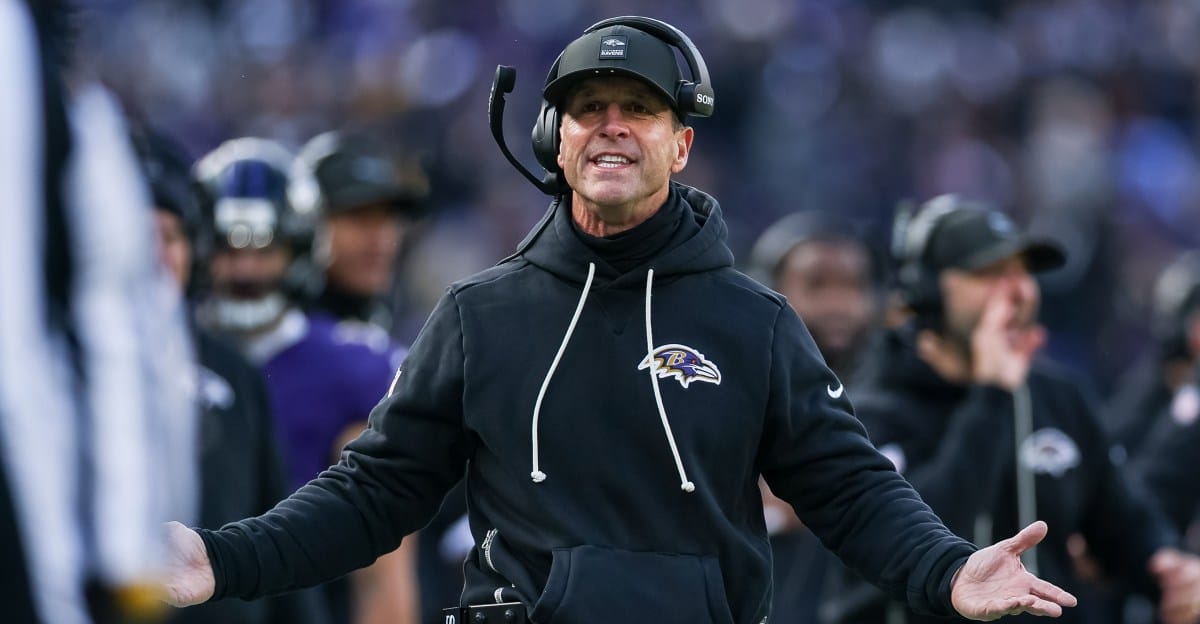
John Harbaugh’s tenure in Baltimore is one of the longest in the NFL, a remarkable feat in an industry defined by volatility and short leashes. This longevity is often presented as evidence of stability and excellence. But a closer look reveals a different interpretation: Harbaugh is a survivor, not necessarily a consistent winner in the postseason tournament. He won a Super Bowl early in his career, which gives him a seemingly permanent shield against criticism, but that victory came over a decade ago. Since then, the story of the Ravens in the playoffs has been defined by near misses and outright disappointments.
Think about the historical context. How many times have the Ravens entered the playoffs as a top seed or with high expectations, only to crash out early? The answer is too many to ignore. The team’s inability to consistently execute in high-leverage situations, particularly against elite AFC competition, is a pattern that defies simple explanations like ‘injuries’ or ‘bad luck.’ It points to something more fundamental in the team’s DNA during the most critical moments of the season. A truly dominant team adapts and overcomes; a good team finds ways to lose spectacularly when the pressure mounts. The question isn’t whether they can make the playoffs; it’s whether they have the killer instinct to actually win the whole thing, and history suggests they do not.
The Lamar Factor: A High-Wire Act with No Safety Net
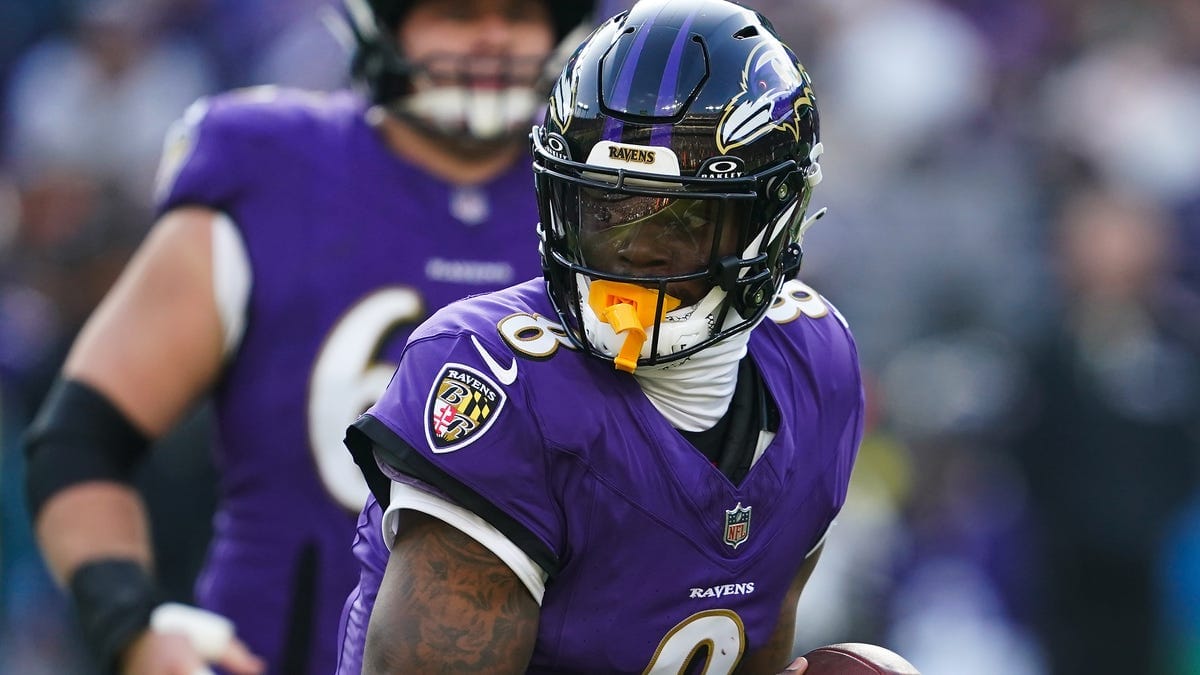
Lamar Jackson is a generational talent, perhaps the most unique quarterback in the league today. His regular-season statistics are often breathtaking, and his ability to extend plays and demoralize defenses is unparalleled when he’s on fire. However, the playoffs are a different animal entirely. When the field shrinks, defenses tighten, and every snap is scrutinized for weaknesses, Jackson’s unique skillset can sometimes become a liability rather than a strength. The mailbag discussions frequently mention offensive scheme adjustments and play calling, but the underlying challenge remains: can a run-centric offense maintain its effectiveness against playoff-caliber defenses designed specifically to neutralize it?
The data from past playoff runs shows a clear trend: when Jackson is forced to win from the pocket against disciplined teams, the Ravens’ offense sputters. The historical narrative of ‘running quarterbacks can’t win Super Bowls’ has been largely debunked by figures like Patrick Mahomes and Russell Wilson, but Jackson’s specific style—reliant on pre-snap reads and exploiting defensive gaps with his legs—is still being tested at the highest level. The real test isn’t whether he can carry the team for 17 weeks; it’s whether he can maintain that high-wire act for three or four consecutive weeks against the best competition in the NFL, where every defender is faster and every decision must be perfect.
The Shadow of the Steelers and the AFC North Gauntlet
The input data highlights Harbaugh’s ‘great interest’ in the Steelers game. This is more than just a passing comment about a rivalry; it’s a window into the psychological burden of the AFC North. The Steelers, despite often being technically inferior on paper in recent years, consistently manage to play spoiler against the Ravens. This isn’t just about football; it’s about a deep psychological rivalry that transcends standings and statistics. The fact that Harbaugh has to watch that game ‘with great interest’ indicates a level of anxiety about how the division will play out. The Ravens haven’t established true dominance over their rivals; they are locked in a perpetual struggle where every win is hard-earned and every loss feels devastating.
To truly understand the Ravens’ playoff outlook, you must look beyond the standings. The AFC North is a grinder. Every game is a physical battle that depletes resources and wears down the roster. While the Ravens have shown resilience in navigating this gauntlet, the cumulative effect of a brutal schedule often reveals itself in January. This division doesn’t produce ‘easy wins’ that allow a team to coast into the playoffs healthy and fresh. It creates a hardened, but often depleted, squad that must then face the titans of the AFC—teams like Kansas City or Buffalo, who often play in divisions where they face significantly less resistance on a weekly basis. The Ravens might win the North, but at what cost?
The Inevitable Collapse: A Statistical Prediction
The current state of the Ravens’ playoff picture shows strong odds. They are projected to make the tournament, possibly even secure home-field advantage. But cold, detached analysis suggests caution. The pattern of this franchise is one of regular season excellence followed by postseason disappointment. The mailbag discussions about coaches and predictions are nice for fan engagement, but they don’t change the historical record. The team lacks the proven ability to finish strong when the spotlight is brightest. The high burstiness of recent performances—dominant wins followed by inexplicable losses—is precisely why a strategist remains skeptical. This team operates with high variance, which is exactly what you want to avoid in a single-elimination tournament.
The long-term outlook for the Ravens depends on breaking this historical pattern. They must prove that this year’s success is not just another mirage in a long line of them. The shutout against Cincinnati, while impressive, needs to be replicated against teams with truly elite offenses. The remaining schedule, while manageable, still contains enough pitfalls to alter the standings entirely. The true measure of a great team is not how well it plays when everything goes right, but how it responds when adversity strikes in a playoff game. And based on historical precedent, when that adversity hits, the Ravens tend to crumble. The cold truth is that the Ravens are built to win in November, but they struggle to survive in January. Until that changes, they remain perennial contenders, but never true champions.
The recent mailbag discussions highlight a fanbase focused on week-to-week results and minor adjustments, but the cold, hard reality is that the core issues facing this franchise are structural, not superficial. Harbaugh’s long tenure is often presented as evidence of stability and excellence, but a closer look reveals a different interpretation: Harbaugh is a survivor, not necessarily a consistent winner in the postseason tournament. The high burstiness of recent performances—dominant wins followed by inexplicable losses—is precisely why a strategist remains skeptical. This team operates with high variance, which is exactly what you want to avoid in a single-elimination tournament.