The French Football Powder Keg: Violence, Arrogance, and Collapse
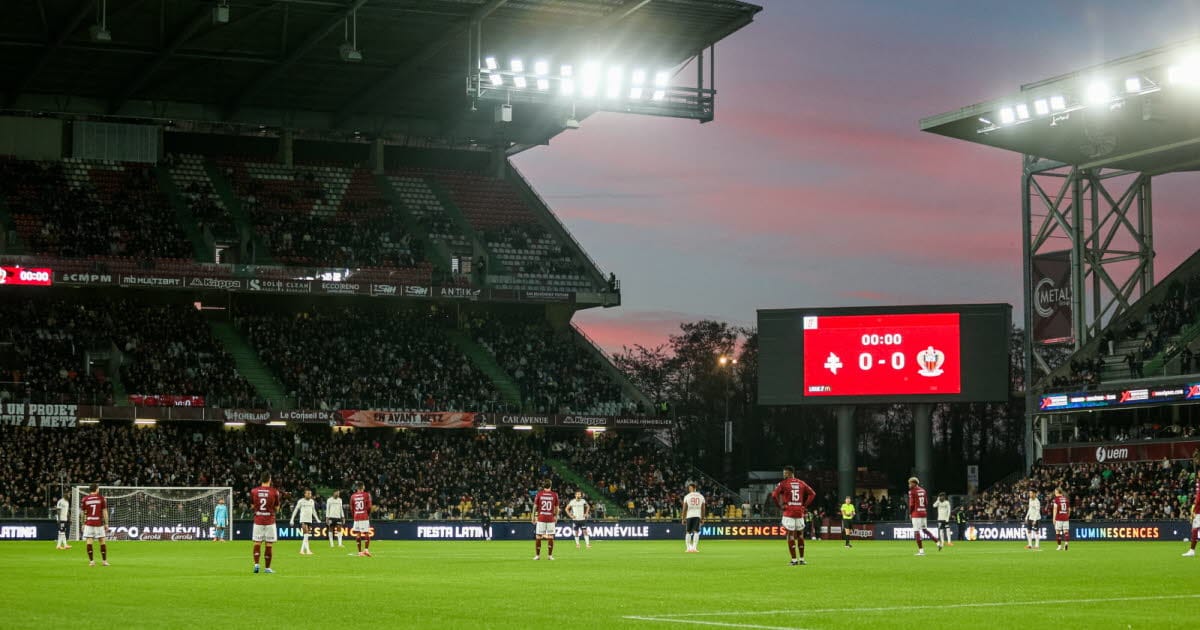
Let’s not mince words here. What happened between Metz and PSG isn’t just about a football match. It’s about a total, absolute breakdown of structure, respect, and safety in European football. When you look at the headlines coming out of this game—the brawls between supporters, the police intervention, the widespread violence—and then you contrast that with PSG’s attitude toward the competition itself, you realize you’re staring into an abyss of apathy and chaos. The whole spectacle has become a mirror reflecting a deeply, deeply broken system.
Forget the final score for a minute; the real story unfolded hours before kickoff, when ultras from both camps decided to turn the streets around Saint-Symphorien into a war zone. This wasn’t just a handful of rowdy fans getting carried away. This was a calculated clash that required significant police force to break up. This isn’t just a “European football problem”; this is a French football problem that is escalating, and nobody—especially not the clubs—seems willing or able to stop it. This isn’t just about rivalry; it’s about organized disorder, and it’s a terrifying precedent.
The Scourge of Organized Fan Violence: A Systemic Failure
We’ve reached a point where fan violence is no longer an anomaly; it’s practically baked into the matchday experience for certain fixtures. We’re seeing a normalization of thuggery where groups of so-called fans operate with impunity. They aren’t there for the beautiful game; they’re there for the thrill of confrontation. And what happens when the police step in? They prevent a larger riot, sure, but they don’t solve the core issue. The clubs—Metz, PSG, and others—issue perfunctory condemnations, maybe fine a few people, but nothing fundamentally changes. The cycle continues. The violence is a symptom of a deeper societal anger, a frustration that has found its outlet in the tribalism of football. This isn’t just about winning or losing; it’s about claiming territory and demonstrating dominance in the most base, animalistic way possible. It’s a cancer on the sport.
The silence from the top, from the league organizers themselves, is deafening. They prioritize broadcast revenue and sponsorship deals over the actual physical safety of fans, staff, and players. How long before a high-profile player or coach is caught in the crossfire? The fact that a police intervention was necessary before a match even started should be ringing alarm bells across the continent. Instead, we treat it like background noise. We accept this level of brutality as part of the “ultras culture.” We are enabling it. We are complicit in the destruction of the atmosphere that once made football so special. What happens when this violence migrates to the international stage? What happens when it claims a life? It’s not a matter of if, but when.
PSG’s Arrogance: Treating Ligue 1 Like an Exhibition
Now, let’s talk about the other side of the coin: PSG’s utter disrespect for the competition. The headlines confirm it: Luis Enrique made massive changes to the lineup. Safonov over Chevalier. Kvaratskhelia, Nuno Mendes, Joao Neves, Bradley Barcola—all rested. This isn’t just squad rotation; this is a clear indication that PSG views the entire Ligue 1 season as nothing more than a training exercise for the Champions League. It’s a blatant disregard for the integrity of the match. PSG essentially sent out a B-team to play against Metz, and while they likely still won, the message is clear: Ligue 1 doesn’t matter.
This attitude isn’t just arrogant; it’s toxic for the entire ecosystem of French football. How are teams like Metz supposed to compete when the league leader treats them like a scrimmage partner? The financial disparity has already created a non-competitive environment, where the title race is often over before Christmas. But when the dominant team starts explicitly devaluing the competition by resting all of its key players simultaneously, it turns the league into a joke. It robs the small clubs of any sense of meaningful victory or even meaningful opposition. The fans of Metz, who pay good money to watch their team, are essentially being told that their club is beneath the focus of PSG’s main stars. It’s an insult to the entire fan base.
The rotation itself suggests a certain level of overconfidence that borders on recklessness. What if the rotation backfires? What if Safonov isn’t ready? What if a loss here changes the momentum for the Champions League? Enrique gambles with the league title and the integrity of the competition to save his star players for a bigger stage. This prioritization, while perhaps strategically sound in the short term for PSG, is devastating for the long-term health of Ligue 1. It creates an environment where only one team truly matters, and everyone else is just set dressing for the show. This isn’t competition; this is a coronation in advance. The whole league structure is fundamentally flawed.
The Death of Parity: The Metz Interview and the Grim Future
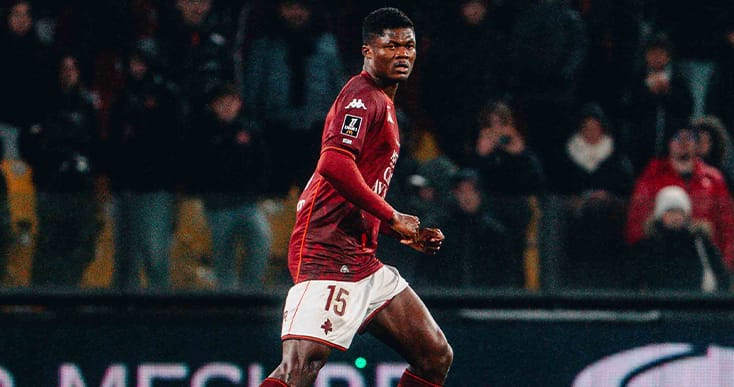
The input data mentions Terry Yegbe’s interview in the Gazette de Saint-Symph’. This is where the narrative truly falls apart for the smaller clubs. Yegbe is doing the PR dance. He’s talking about the match, giving the required soundbites for the local media. But deep down, what hope does a club like Metz really have against this version of PSG? The interview serves as a poignant reminder of the David vs. Goliath narrative that has become completely meaningless in modern football. David doesn’t stand a chance when Goliath has a budget that is ten times larger and a roster that can field a second team good enough to beat almost everyone else in the league.
This disparity isn’t just financial; it’s psychological. The players know they are fighting an uphill battle against overwhelming odds. The fans know it. The media knows it. The only way to win is through extraordinary luck, and that’s not sustainable. The Yegbe interview is essentially just filler for a foregone conclusion. It’s the final nail in the coffin for competitive balance in Ligue 1. The violence, the rotation, the pre-match hype—it all points to a league that is breaking apart. It’s a league where the top team treats its competition with contempt, where fan safety is constantly at risk, and where the smaller clubs are just desperately trying to survive. The future of French football looks less like a vibrant competition and more like a decaying structure, with PSG standing alone on top, surveying the wreckage.