The Great Divide: The Myth of Fair Play vs. The Reality of the Street War
Let’s cut through the noise, shall we? You turn on the television, see the highlights from the Champions League match between Athletic Bilbao and Paris Saint-Germain, and the talking heads drone on about tactics, possession statistics, and how a 0-0 draw in Bilbao somehow demonstrates a newfound defensive maturity from the French side.
Rubbish. It’s all a smokescreen. The official narrative, the one peddled by UEFA and its media partners, insists on focusing on the sterile spectacle on the pitch, trying to convince us that football is still a sport defined by skill and sportsmanship, a beautiful game where everyone starts on equal footing. That, my friends, is the official lie.
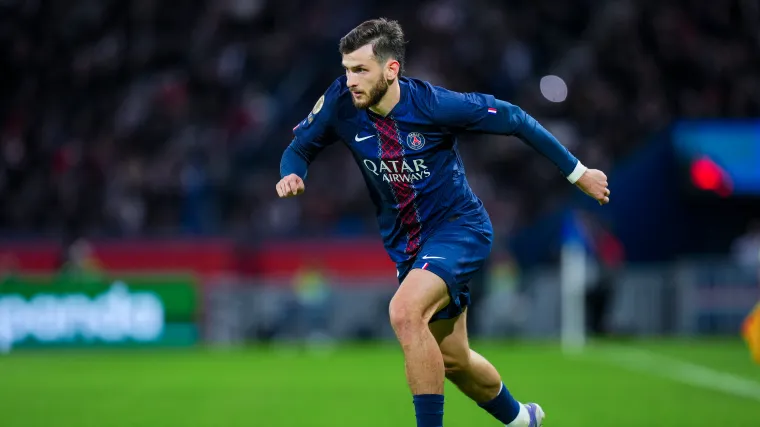
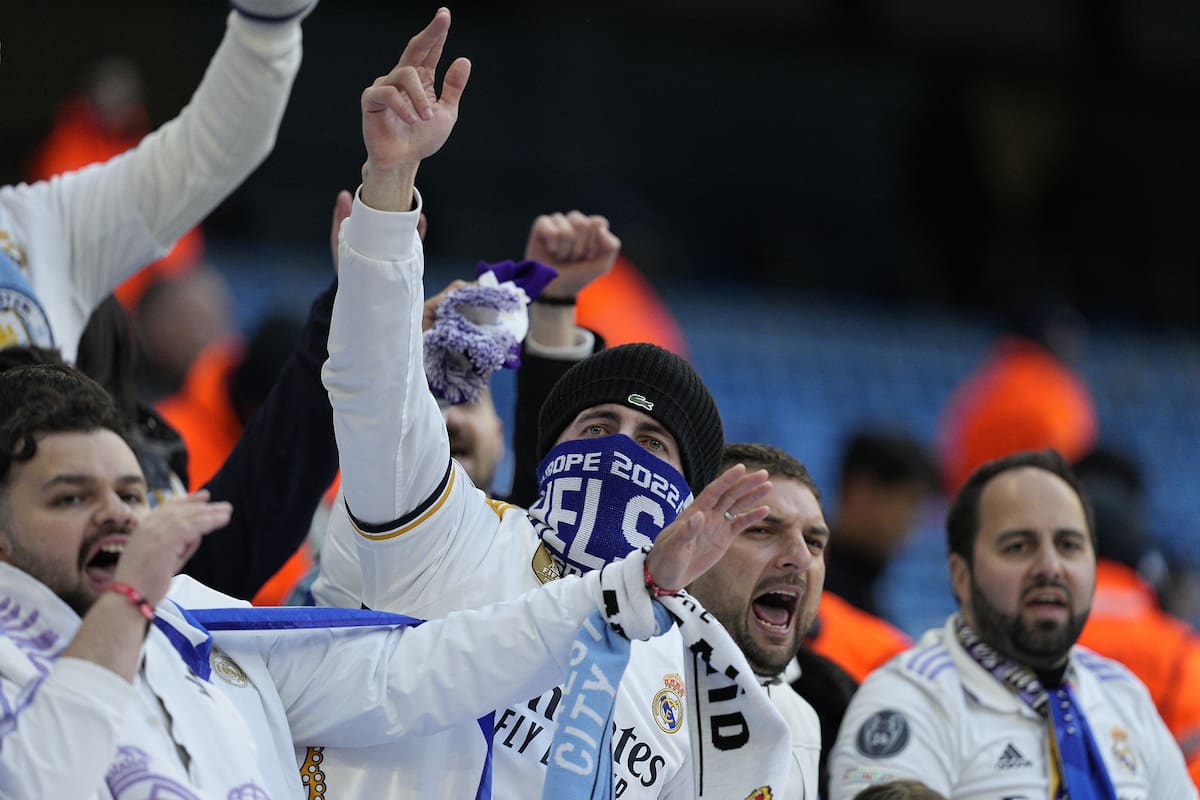
The truth, the ugly, inconvenient truth that they want to bury, emerged not from the stadium’s manicured turf but from the cold, hard reality of a border crossing. The real story of this Champions League match wasn’t the final score; it was the fact that a contingent of PSG supporters was caught by the Ertzaintza—the Basque police—in Irún, attempting to smuggle a virtual armory of weapons across the border: flares, sticks, and, most tellingly, knives. This wasn’t just a football match; it was an attempted invasion, a physical manifestation of the cultural and financial conflict that PSG represents, and it perfectly encapsulates everything wrong with modern football.
The Cancer of State-Backed Football
For decades, European football was built on a foundation of local identity, community bonds, and passionate rivalries forged over generations; this, in short, was a battle between different tribes competing for bragging rights in their hometown. What we are witnessing now, courtesy of clubs like PSG, is the systematic replacement of that organic passion with something cold, calculating, and fundamentally hostile: state-backed vanity projects designed to launder the image of regimes and exert soft power, using football as a mere tool for geopolitical maneuvering. When PSG comes to town, it’s not just another football club; it’s an extension of Qatari foreign policy, armed with unlimited cash that completely distorts the natural competitive balance of the sport, and this creates a seething resentment in traditional fanbases, like Bilbao, where football actually means something more than just brand recognition.
The violence in Irún isn’t an isolated incident of hooliganism; it’s a direct consequence of this financial engineering. When you take away fair competition and replace it with a predetermined outcome—where certain clubs can simply buy every trophy because they have access to a national treasury—you strip away the very essence of the game, leaving only the raw, tribal animosity that boils over into something dangerous. The fans on the receiving end of this financial inequality feel disenfranchised, and the fans benefiting from it—like those caught with weapons—adopt an aggressive, almost colonial mindset, believing they have the right to impose their will because their team represents a superior financial power, a toxic ideology that replaces sportsmanship with pure dominance.
This isn’t just about a few bad apples; it’s about the entire orchard being poisoned by the top. UEFA, the supposed guardian of the game, facilitates this corruption every single day by continually loosening financial fair play rules and prioritizing revenue streams over integrity. They fine clubs for minor infractions while allowing state-owned entities to engage in financial doping on an industrial scale, all because the money is too good to resist, proving once again that profit comes first and the integrity of the game is a distant second.
The Battle for Athletic Bilbao: Purity vs. The Globalist Tide
To understand the depth of the confrontation, you must understand the opponent: Athletic Bilbao. This club represents the very antithesis of PSG’s model. Athletic operates on a philosophy known as ‘Cantera’—the commitment to only field players who were born or trained in the Basque Country. It is a stubborn, defiant, beautiful stand against the forces of globalization that demand conformity and homogeneity, a stubborn commitment to local identity in the face of overwhelming pressure to conform to the market’s demands for cheap, imported talent.
When PSG plays Athletic, it isn’t just a game between two teams; it’s a microcosm of the global culture war. On one side, you have the hyper-commercialized, state-funded behemoth built entirely on money and imported stars, representing everything modern football demands; on the other, you have the stubborn, traditionalist holdout, fighting to preserve a sense of identity and community that transcends mere commercial interests. The 0-0 draw on the pitch was irrelevant because the real fight was happening at a cultural and philosophical level, where the physical violence at the border was simply the most visible symptom of a much deeper conflict.
The media, in its cowardice, will ignore this context and instead reduce the entire situation to a simple case of ‘hooliganism,’ thereby absolving UEFA and the state-backed clubs of responsibility for creating this environment in the first place, but we know better.
Looking Ahead: The Inevitable Decay of European Football
Where does this go next? The trajectory is clear: unless a radical change occurs—and I wouldn’t hold my breath waiting for UEFA to suddenly grow a spine—football will continue its transformation into a two-tiered system, where a handful of super-clubs, funded by states and oligarchs, dominate every competition, while traditional clubs like Athletic Bilbao are forced into a constant battle for mere survival, their philosophies increasingly seen as quaint and outdated. The Champions League itself will become less about competition and more about a pre-ordained coronation for whichever hyper-club spends the most money that year, draining the lifeblood out of the sport that once united us.
The violence at Irún is a warning shot. It’s a sign that the ‘us vs. them’ narrative is escalating beyond the pitch and into a genuine cultural conflict, fueled by the arrogance and financial impunity of clubs like PSG, and ignored by the very institutions designed to protect the sport. The fight for the soul of football is on, and right now, the money side is winning, leaving us with a hollowed-out shell of a game, where the only thing left to fight over is the scraps and the territory outside the stadium, rather than the glory inside it. Don’t fall for the official lie; look at the evidence on the border and recognize the true nature of the battle.