THE MANIFESTO OF THE BENCHWARMER REVOLUTION
Or, How I Learned to Stop Worrying and Loathe the Five-Substitute Rule
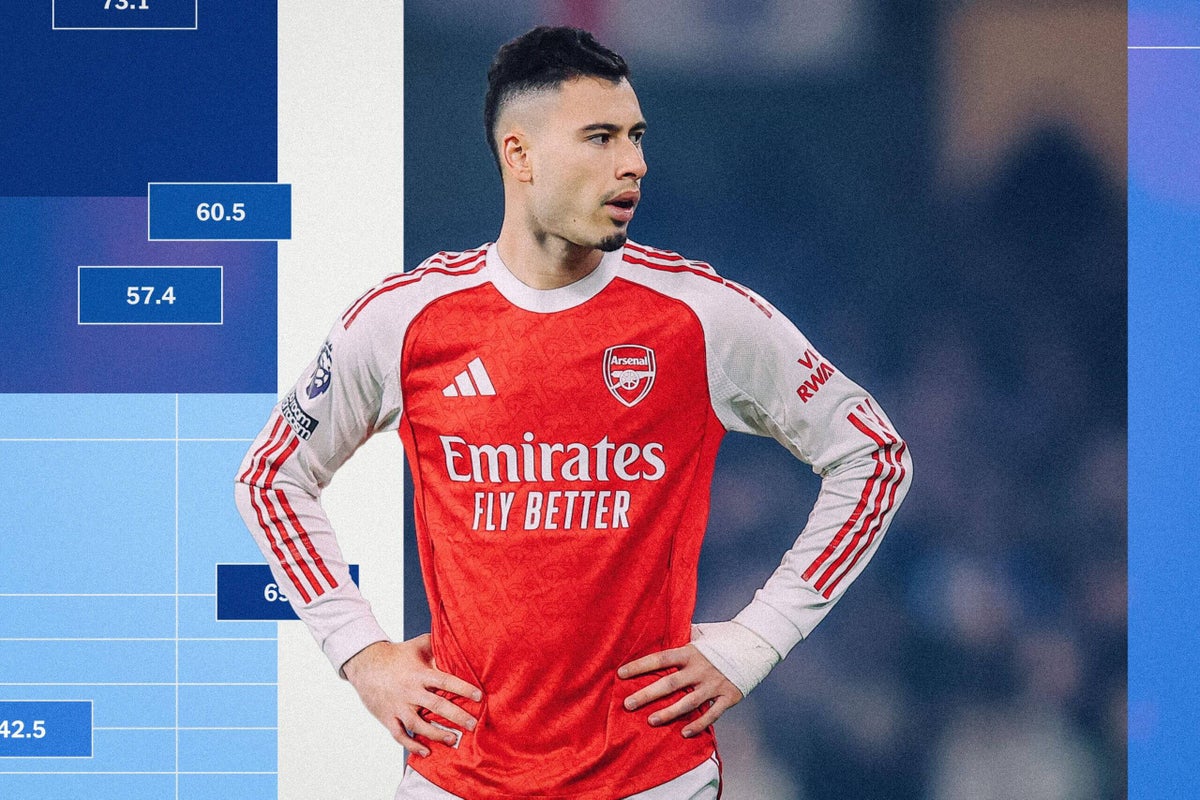
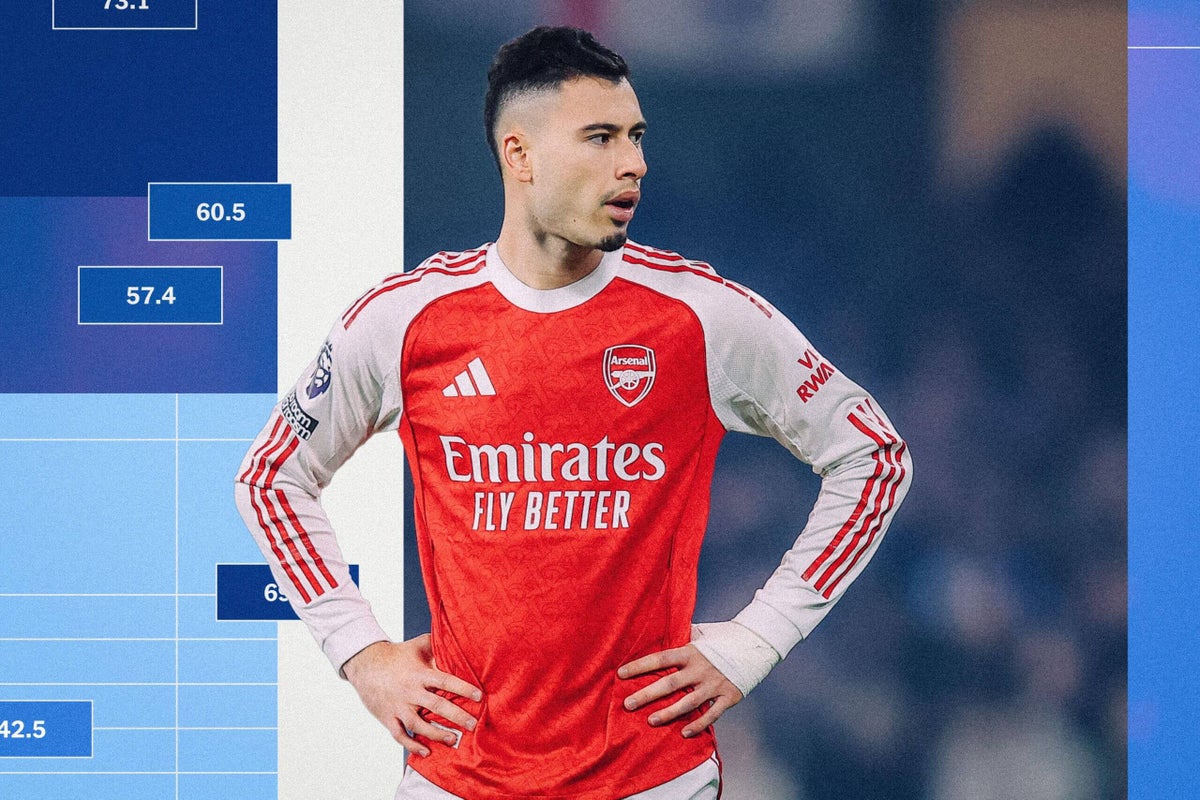
So, The Athletic has gifted us another one of its “Alternative Premier League Tables.” Oh, joy. Because what the world was desperately crying out for was another spreadsheet, another set of meaningless data points to prove what we already know in our bones. This week’s masterpiece? The monumental, earth-shattering impact of… substitutes. Groundbreaking stuff. They’ve crunched the numbers, they’ve run the algorithms, and they’ve concluded that players who come on the pitch can, in fact, influence the game. Somebody get these people a Nobel Prize. What they’ve really published, without even realizing it, is the game’s autopsy report. They’re meticulously documenting the symptoms while completely ignoring the disease: that modern top-flight football is a fundamentally broken, soulless spectacle, and the five-substitute rule is the glittering, diamond-encrusted nail in its coffin.
And let’s call this rule what it is: a cheat code for the obscenely wealthy. It’s not a tactical innovation. It is a safety net woven from petrodollars and venture capital, designed to ensure that the natural chaos of sport never, ever inconveniences the super-clubs. Because there’s nothing an oligarch hates more than seeing his £800 million collection of egos get run ragged for 90 minutes by a plucky, well-drilled team from a town you can’t find on a map. Remember when a manager’s starting eleven was a statement of intent, a strategic pact with fate? It was their thesis, their argument for how the next 90 minutes should unfold. Mistakes were made, players tired, and the unforgiving crucible of the match demanded real genius, real adaptation, not just a rolodex of fresh legs. You had one, maybe two subs. It was a scalpel, not a sledgehammer. But now? Now you can just throw half a new outfield team on the pitch.
It’s a joke. The whole thing is a joke.
Because the modern manager doesn’t need a coherent plan anymore. No. Why bother with that when you can just have Plan A, B, C, D, and E sitting on a heated leather seat behind you? Is your £100m winger having a bad day? Don’t worry, just bring on the *other* £80m winger you bought just in case. Is your midfield getting overrun? Just swap out the entire engine room after 60 minutes. It’s not football; it’s fantasy football made real, a grotesque live-action version of Football Manager where the consequence of poor planning is simply clicking a different set of buttons. And this “analysis” from The Athletic treats it like some fascinating new frontier of tactical warfare. It’s not. It’s the institutionalization of the panic button. It’s rewarding bloated squads and punishing fiscal sanity. A club like Luton Town fights and scraps its way to the Premier League, gets a lead against Manchester City, and their reward is to face five fresh, world-class athletes in the final 25 minutes while their own heroes are running on fumes. That’s not sport; that’s a siege. It’s an economic inevitability playing out in real-time.
But they dress it up in the language of “player welfare.” A noble-sounding lie. Oh, the poor darlings are just so tired from their grueling schedule of playing a game for two hours a week in exchange for more money than a heart surgeon makes in a decade. It’s an insult to our intelligence. This was a rule change pushed through during a bizarre, fan-less pandemic era as a temporary measure and, like all “temporary” power grabs, it has become permanent. It was lobbied for, aggressively, by the biggest clubs on the continent because they knew it would solidify their advantage. It allows them to hoard talent, keeping players happy with token minutes who would otherwise leave for a starting role elsewhere. It kills competition. It creates a permanent aristocracy at the top of the table. And the media, the data analysts, the pundits, they all just nod along, creating their little alternative tables about the “impact of super-subs” as if they’re discussing the subtle genius of Rinus Michels. They’re polishing a turd.
It fundamentally devalues the very concept of a “starter.” What does it even mean to be in the first eleven anymore when you know you’re just the opening act for the real show that begins in the 70th minute? The drama, the narrative arc of a 90-minute football match, has been butchered. That beautiful, agonizing tension of the final 15 minutes, where tired legs and tired minds made for heroic mistakes and unbelievable triumphs, has been sterilized. Now, it’s just a predictable onslaught. The big team throws the kitchen sink, the laundry machine, and the entire plumbing system onto the pitch. And we’re supposed to applaud the “tactical flexibility” of it all. What a farce. While these analysts are patting themselves on the back for discovering that Erling Haaland’s backup is quite good at football, they mention the Ukrainian Premier League schedule in the same breath. The absolute, soul-crushing irony. Here we are, dissecting the micro-dramas of whether a substitute’s goal for Arsenal should put them top of a make-believe table, while in Ukraine, they’re trying to play a football season amidst actual, real-world horror. The juxtaposition is a sickness. It’s a perfect snapshot of the decadent, navel-gazing absurdity of the modern sports media complex. One is a league fighting for its very existence, a symbol of national defiance. The other is a hyper-commercialized soap opera for billionaires where the biggest injustice is a bad VAR call. And we’re meant to take them both seriously. We’re meant to care more about the former.
Because what happens next? What is the logical conclusion of this madness? Do we go to rolling subs, like in hockey? Why not just have an attacking team and a defensive team you can swap out at will? It would be great for “player welfare,” wouldn’t it? Maybe managers can get a few timeouts to draw up a play. We could have a halftime show with a pop star. Oh, wait. We’re already halfway there. This isn’t a slippery slope argument; it’s a direct observation of the trajectory. The game is being systematically Americanized, sanitized, and packaged for a global audience that has no appreciation for its subtle cruelties, its low-scoring tension, its beautiful, attritional soul. They want more goals, more action, more stars on the pitch at all times. And the five-sub rule is the perfect vehicle for that. It guarantees that the marketable assets—the big-name players—get their screen time. It’s not about sport. It’s about asset management.
And so, we get these articles. These meaningless, self-important “alternative” tables. They are the epitome of the problem. They are a distraction, a sideshow that makes us feel intelligent for engaging with it. They allow us to debate the finer points of a corrupted system instead of questioning the system itself. “Who is the best manager at using their bench?” is the wrong question. The question is, “Why have we created a system where the bench is more important than the starting eleven?” The question is, “Have we sacrificed the integrity of the 90-minute contest for the sake of squad rotation and commercial expediency?” But no one wants to ask that. It’s too uncomfortable. It’s much easier to just make another table, isn’t it? Another set of stats to tweet. It’s just more content for the content machine, more grist for the mill. A mill that is grinding the very soul of the game into a fine, tasteless powder. And we’re all just consuming it. What a world.