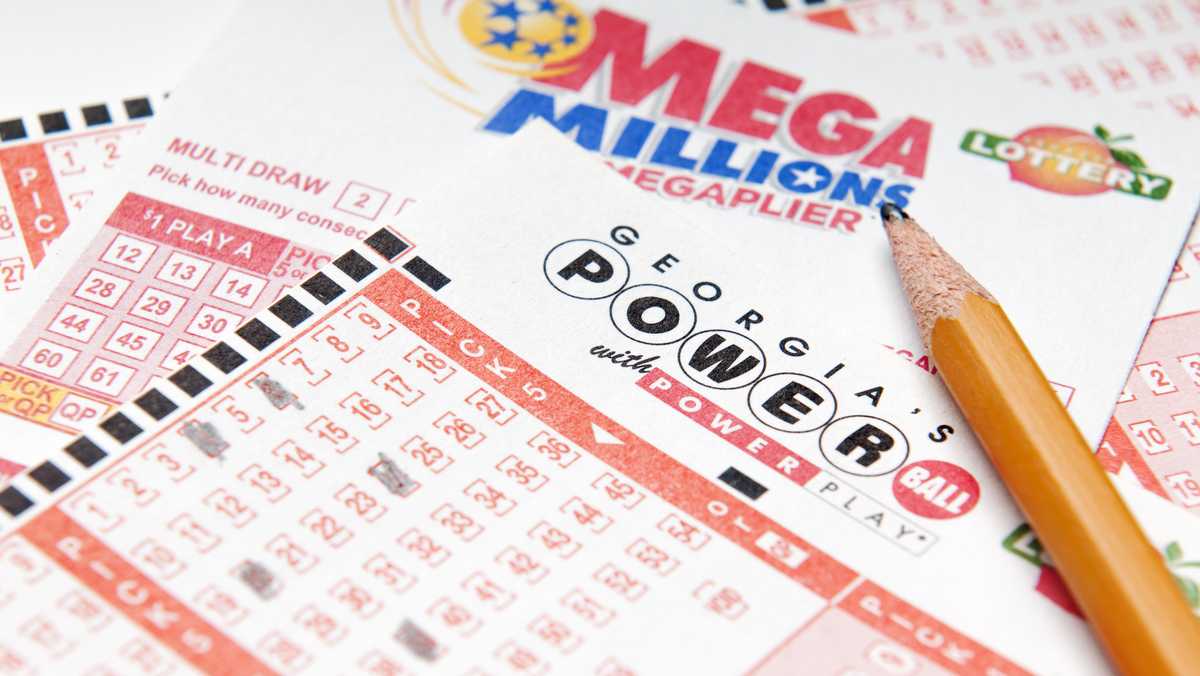
The New American Hustle: Billion-Dollar Jackpots Are Not Accidents
Let’s cut through the noise, shall we? You keep seeing the headlines—the Powerball jackpot hits $1.1 billion, the sixth-largest prize in history, and it’s the second time this year it’s crossed that mythical threshold. The media plays it like a fairytale, like some kind of Cinderella story where anyone, absolutely anyone, can become an overnight billionaire. It’s intoxicating, right? It makes you feel like maybe, just maybe, this time, you could be the one to escape the crushing weight of inflation, the rising cost of housing, and the stagnant wages that keep you chained to a job you hate. But here’s the cold, hard truth: this isn’t a game of chance anymore; it’s a meticulously designed economic weapon aimed directly at the working class. It’s a tax on desperation, and they’ve got you exactly where they want you. The system changed. They made it harder to win. They made the odds worse, specifically to create these massive, attention-grabbing jackpots that get every single person from the corner store to the corporate high-rise talking about it. This isn’t happenstance; it’s engineering. It’s a calculated move by the state to extract maximum revenue from the very people struggling the most, all under the guise of funding education or some other noble cause.
For decades, a jackpot hitting a hundred million dollars was considered massive, a once-in-a-generation event. Now, we’re seeing billion-dollar prizes multiple times a year. The source data confirms it: US lottery jackpots used to never reach $1 billion, but they’ve done it 12 times in the last 5 years. Do you honestly believe that’s just a statistical anomaly? No, it’s a direct consequence of changes made to the Powerball game structure in 2015, specifically designed to make winning the top prize exponentially more difficult. They increased the range of white balls from 59 to 69 and reduced the number of red Powerballs from 35 to 26. While the latter part made winning smaller prizes slightly easier, the overall odds of hitting that big one plummeted from approximately 1 in 175 million to a staggering 1 in 292.2 million. This change guarantees fewer winners, allows the jackpot to roll over more frequently, and drives the prize to astronomical heights. It’s a brilliant strategy for the state, a devastating trap for the populace.
The Psychology of False Hope: How Desperation Fuels the Machine
The system relies on human desperation. When people are struggling to pay rent, when inflation is eating away at every dollar they earn, the thought of winning $1.1 billion isn’t just a fantasy; it’s a necessary escape. It’s a rational response to an irrational economic situation. The lottery preys on this exact vulnerability. It gives people a sense of control, an illusion that they can somehow bypass the rigged system by buying into a different rigged system. The more desperate people become, the more tickets they buy. This feedback loop ensures the jackpot gets even bigger, attracting even more desperate people, creating a vicious cycle that only benefits the state coffers and the lottery administrators who sit at the top of this pyramid scheme. The average American is carrying record levels of credit card debt, student loan debt, and mortgage debt. The lottery offers a simple solution to complex systemic problems, a quick-fix fantasy that keeps people from asking fundamental questions about why they’re struggling so much in the first place.
Think about where these tickets are sold: gas stations, convenience stores, places where working people are already spending their last dollars on gas to get to their low-paying jobs or grabbing a quick bite. They throw in a few bucks for a ticket, a small investment in a high-risk gamble. For a middle-class person, losing $20 on tickets over a week is annoying; for someone living paycheck to paycheck, that’s food or gas or a bill. The psychological toll of buying hope is immense, but the financial toll is even worse. The fact that the jackpot is a billion dollars means absolutely nothing to the statistical chance of you winning. You are still closer to being struck by lightning than you are to matching all those numbers. The lottery is essentially a voluntary tax on the poor, a regressive mechanism where those with the least resources contribute a disproportionately larger percentage of their income to a public fund. The wealthy don’t buy lottery tickets; they invest in stocks and real estate. The lottery is for those without options, a high-stakes, low-return investment in fantasy.
The Great Education Lie: Where Does the Money Really Go?
The biggest lie in this whole operation is the justification for it all: “The money goes to education.” It’s the moral high ground the state uses to justify preying on its most vulnerable citizens. But ask yourself: have you seen your local schools significantly improve? Are class sizes getting smaller? Are teachers getting paid fairly? The reality is far more cynical than the marketing campaigns let on. When lottery funds are allocated for education, they often replace existing state funding rather than supplementing it. This allows politicians to shift money that was already earmarked for schools into other areas of the general fund, essentially freeing up cash for projects they want to prioritize, often for administrative bloat or political favors. Instead of adding new resources, the lottery simply changes the source of the old ones. The state gets to claim a moral victory while continuing to underfund education and other critical social services. It’s a shell game, a slight-of-hand where the public thinks it’s investing in the future, but it’s really just funding the state’s existing budget with money taken from the most desperate among us.
The entire system is designed to be opaque. The specific allocations, the administrative costs, the marketing budgets—these details are often buried deep in state budget reports, far away from the public eye. The focus remains on the headline number: $1.1 billion. The more people focus on the dream, the less they focus on the reality of a system designed to keep them down. The populist fighter persona demands that we call this out for what it is: a cynical act of economic exploitation wrapped in a shiny, hopeful bow. They want you distracted. They want you buying tickets instead of demanding systemic reform. They want you believing in luck instead of believing in collective power.
The History of the Scam: From Small Raffles to Economic Engines
Lotteries have existed for centuries, but their modern form in the US is a post-WWII phenomenon. The shift from small, local raffles to multi-state, multi-billion dollar enterprises represents a fundamental change in how states fund themselves. Originally intended to fund specific projects—like the construction of a new bridge or the repair of a historical building—they have evolved into massive, revenue-generating machines that are integral to state budgets. This normalization of gambling as a state revenue source has a profound impact on societal values. It teaches people that the best way to get ahead is not through hard work, education, or innovation, but through a high-risk gamble. It undermines the very values of a stable society, promoting a culture of instant gratification and magical thinking. The increase in jackpot size is a direct response to a changing economic landscape where states are less willing to raise taxes on corporations or high-net-worth individuals, instead choosing to extract money from the low-income brackets through this voluntary, regressive tax.
Look at the numbers again. 12 times in 5 years a jackpot has crossed a billion dollars. This isn’t just about Powerball; it’s about a fundamental shift in how the state views its citizens. The state sees its population not as a collective to be supported, but as a pool of potential revenue, ripe for extraction. This phenomenon runs parallel to the increase in economic inequality and stagnant wages. The more desperate people become, the bigger the jackpots get. It’s a cruel feedback loop that benefits the state at the expense of its most vulnerable citizens. We are told that this is just fun, just entertainment, but for those truly struggling, it’s a desperate reach for survival. It’s a suckers bet. The house always wins. In this case, the house is the state, and they’re laughing all the way to the bank.
The Future Prediction: A Billion-Dollar Jackpot Every Month
What’s next? The current trajectory suggests that billion-dollar jackpots will only become more frequent. The system will continue to adjust the odds to maintain this high-stakes environment. We will likely see a new psychological barrier broken, perhaps $2 billion or even $3 billion. The media will continue to hype it up, feeding the frenzy. The working class will continue to pour their hard-earned money into this bottomless pit of false hope. The underlying economic issues—inflation, housing costs, lack of social mobility—will remain unaddressed by the state because they have found a convenient and highly profitable distraction. They’ve discovered a way to fund their budgets by selling dreams instead of demanding fair contributions from the wealthy. The real solution isn’t to hope for a lottery win; it’s to dismantle the system that makes a lottery win seem like the only solution. It’s to stop playing their game. They are exploiting you. They are taking your money. They are selling you a lie. Don’t fall for a second think this massive prize is a good thing; it’s a symptom of a very sick society. Wake up.