The Official Story They Feed You
Your One-in-a-Million Shot at Freedom!
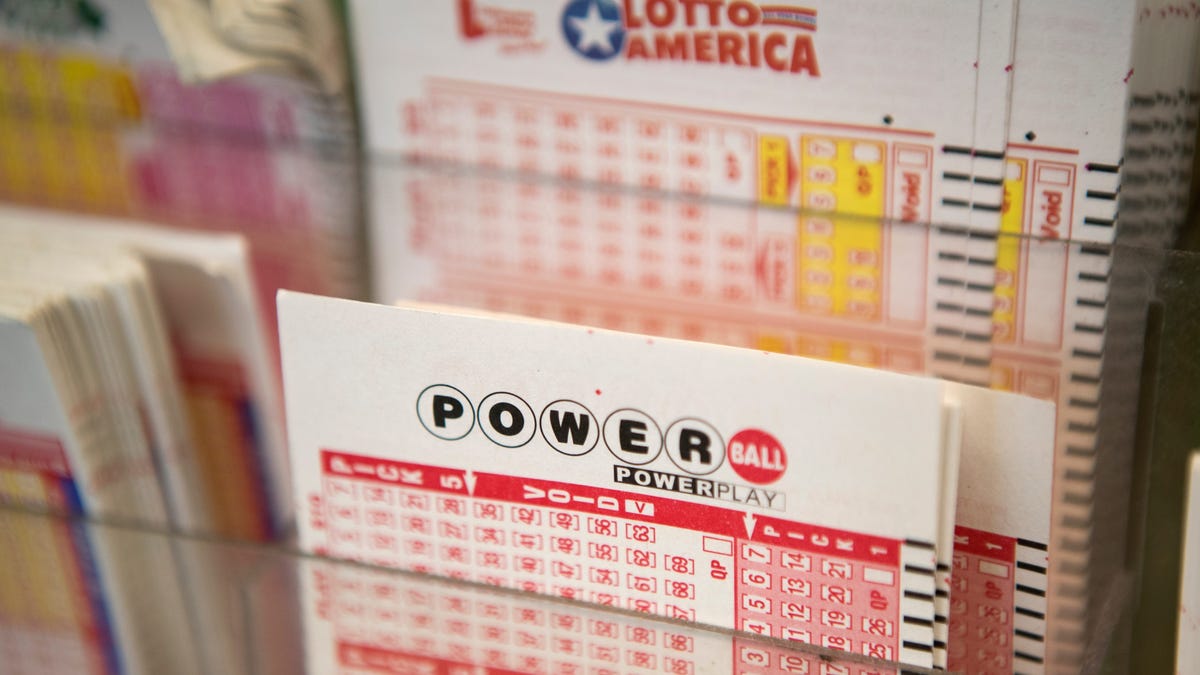
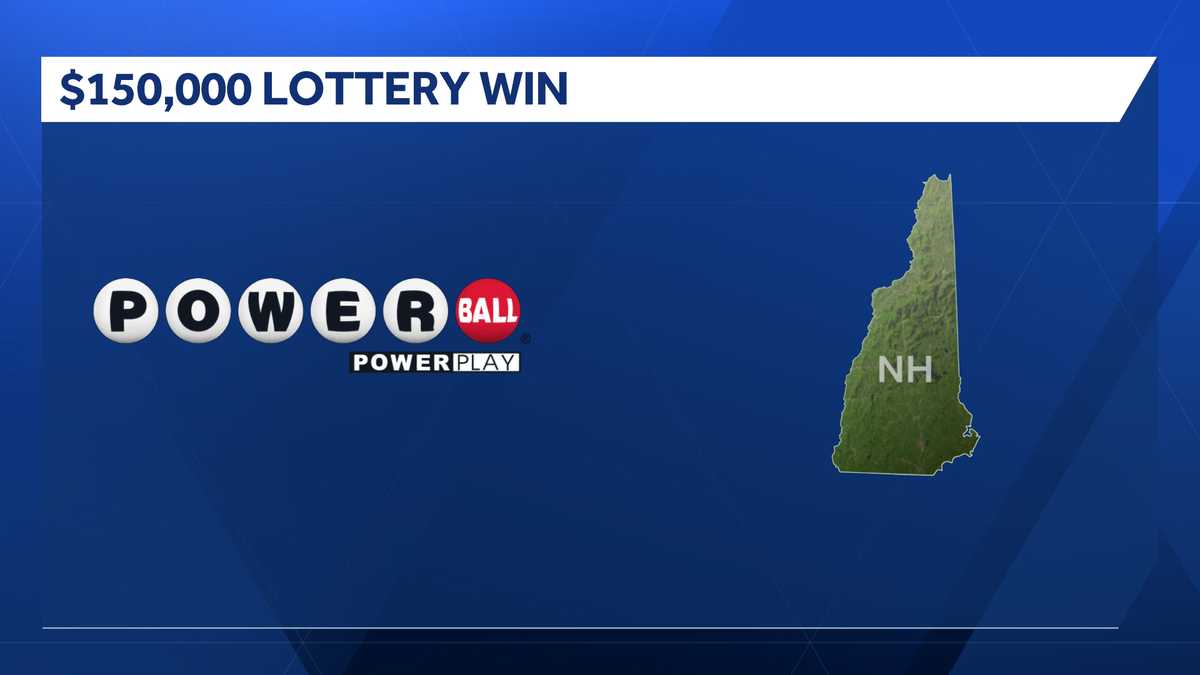
Listen to them. Just listen to the breathless news reports and the flashy commercials. A jackpot swelling to an obscene $775 million! Someone in New Hampshire just won $150,000! See? It could be you! All you need is a couple of bucks and a dream. They paint this glorious picture of a level playing field where a construction worker has the same shot as a Wall Street banker. It’s the ultimate American fantasy, isn’t it? A single piece of paper that can wipe away debt, buy you a mansion, and deliver you from the crushing 9-to-5 grind that’s been chewing you up and spitting you out for decades. They call it a ‘game.’ They call it ‘entertainment.’ They tell you it funds education and good causes, so even if you lose, you’re a philanthropist (a cheap one, but still). They sell you the numbers, the dates—Wednesday, December 3rd—and the tantalizing possibility that your life, in one explosive moment, could change forever. It’s hope in a convenient, paper-thin package, sold at every gas station and corner store from sea to shining sea.
It’s a beautiful lie. A perfect one, even.
The Truth They Shove Under the Rug
A Predatory Tax on the Desperate
Now, let’s get real. Let’s rip off the plastic wrapping and see the rotten core of this whole charade. That Powerball ticket isn’t a ticket to freedom; it’s a receipt for the ‘stupid tax,’ a regressive tax engineered with Ph.D.-level precision to extract wealth from the people who can least afford it. You think it’s a coincidence that lottery retailers are most concentrated in the poorest neighborhoods? Get real. They know exactly who their customer is: the person who feels they have no other way out, the one whose wages have stagnated while their rent has skyrocketed, the one who sees a $775 million jackpot not as a fun little flutter but as the only lifeboat left on a sinking ship. This isn’t a game. It’s a calculated psychological operation.
Let’s talk odds, but not in the sterile way they do. Your odds of winning the Powerball jackpot are about one in 292.2 million. You have a better chance of being killed by a vending machine, becoming a movie star, or getting struck by lightning on your birthday while simultaneously being attacked by a great white shark in the middle of Kansas. It is, for all practical purposes, zero. Yet they have an entire nation hypnotized by this impossibility. Why? Because the system doesn’t need you to win. It just needs you to *believe* you can win. That belief is the fuel. Your two dollars, multiplied by millions of other desperate souls, is the engine that powers the entire state-sponsored gambling racket.
Where Does the Money *Really* Go?
And the whole ‘it funds education’ line? That’s the most insidious part of the con. It’s a shell game. When lottery money comes in earmarked for ‘education,’ state legislatures often just pull money out of the general fund that was *already* going to education and redirect it elsewhere. The net effect is often zero, or close to it. The schools don’t see some massive windfall. Instead, the lottery money becomes a slush fund that plugs budget holes created by tax cuts for their corporate buddies. So you, buying a ticket at the corner store, are subsidizing a system that is actively working against your own economic interests. You are paying for your own disenfranchisement, one lottery ticket at a time. It’s genius. It’s diabolical.
Think about that $150,000 winner in New Hampshire. The news plasters that everywhere. Why? Because it’s bait. It creates the illusion of winnability. But let’s break that down. After federal and state taxes, that winner is lucky to walk away with maybe $90,000. That’s a nice chunk of change, sure. It’s a down payment on a modest house, or it could clear out some student debt. But it is not ‘quit your job and sail around the world’ money. It’s not generational wealth. It’s just enough money to create a powerful headline that tricks millions more into throwing their money into the furnace. For every one of those small winners, there are tens of millions of losers whose combined contributions paid for that prize and then some, with the vast majority of it going straight into government and corporate pockets (because you didn’t think the lottery companies run this for free, did you?).
The Curse of the Winner
And God forbid you actually win the big one. The whole thing is a poison pill. The stories are legendary and they are legion. People who win hundreds of millions end up broke, divorced, addicted, miserable, and sometimes dead within a decade. Why? Because our society doesn’t equip anyone, especially not someone from a working-class background, to handle that kind of sudden, earth-shattering wealth and the sharks it attracts. You become a target. Every distant relative, every old friend, every scam artist on the planet descends on you like vultures. The system isn’t designed to make you happy; it’s designed to create a spectacle. You are the brief, shining protagonist in a tragedy they write to sell more tickets for the next season.
The entire Powerball phenomenon is a symptom of a deeply sick society. It’s a measure of our collective desperation. A healthy, functioning society with living wages, affordable healthcare, and accessible education wouldn’t need a lottery. People wouldn’t need to pin their hopes on a statistical absurdity to imagine a life of dignity. They would just… have one. The lottery exists because the American Dream is dead, and they’ve replaced it with a cheap, unforgiving gambling machine. They’ve managed to convince the populace to fund their own government by preying on their own financial despair. It is the most brilliant and most disgusting trick of all.
So next time you see that jackpot sign blinking over the gas station door, don’t see a number. See the truth. See it for the monument to false hope it really is. A shimmering, beautiful, and utterly soul-crushing lie. Put your two dollars back in your pocket. It’s the only winning move you can make.