The $930 Million Hoax: A Calculated Scam for the Masses
Let’s talk about the Powerball jackpot, shall we? You look at those headlines screaming ‘$930 million jackpot!’ and your eyes glaze over a little bit, don’t they? You feel that little twinge of hope, that brief, fleeting fantasy that maybe, just maybe, this is your ticket out of the rat race. The media, those corporate puppets, they play right along, churning out feel-good stories and a sense of collective excitement. But here’s the cold, hard reality check that nobody wants to hear: The Powerball isn’t a game of chance; it’s a meticulously engineered psychological operation designed to extract wealth from those who can least afford to lose it, all while providing a government-sanctioned distraction from the actual, systemic failures causing that widespread financial desperation.
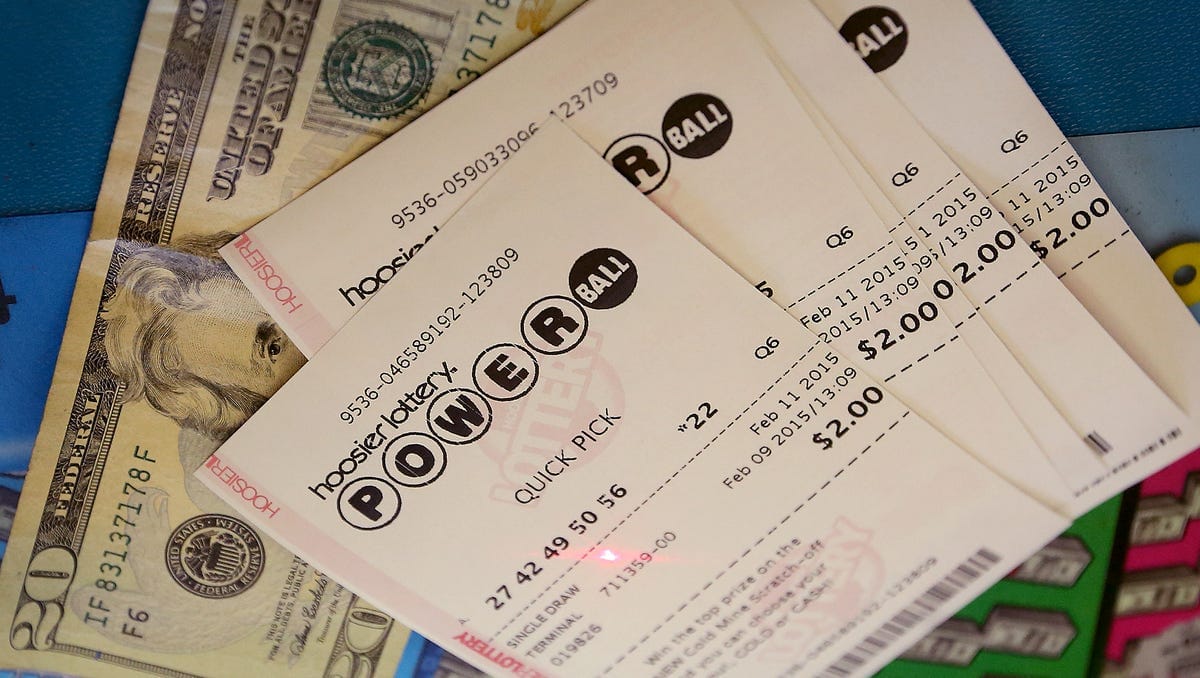
The numbers from Wednesday, December 10th—10, 16, 29, 33, 69, and the Powerball 22—are just data points in a larger, cynical equation. The fact that no one won means the pot rolls over, and that’s exactly what the system wants. The longer the jackpot grows, the greater the sales frenzy. The higher the numbers climb, the more people who *never* play the lottery get sucked in, believing against all statistical evidence that this time, somehow, it’ll be different for them. It’s a classic bait and switch, a multi-billion dollar snake oil scheme endorsed by the very governments we’re supposed to trust.
The Illusion of Hope: A Regressive Tax on Desperation
Let’s call this what it really is: a regressive tax on the poor. When you’re struggling to make ends meet, when rent is due, when the cost of groceries keeps skyrocketing, that $2 ticket isn’t just a frivolous purchase; it’s an investment in a dream. It’s a desperate cry for escape, a gamble where the odds are literally stacked against you at 1 in 292 million. The wealthy don’t line up at the gas station to buy lottery tickets. The wealthy are busy investing in stocks, real estate, and other financial instruments that actually provide real returns. They understand that you don’t build wealth by hoping for a miracle; you build wealth by exploiting the system, or by being born into it. The lottery provides a false pathway to prosperity, one that keeps the lower and middle classes trapped in a cycle of magical thinking rather than demanding actual economic justice. They sell you a dream and then take your last few dollars, all for the benefit of state-run enterprises that claim to fund ‘education’ while actually just backfilling budget shortfalls.
The Media’s Role in Mass Psychological Manipulation
The media is complicit in this racket. Every news report about the jackpot ‘soaring’ or ‘climbing’ isn’t journalism; it’s free marketing for the lottery. They’re selling you the fantasy, turning a mathematically improbable event into a national obsession. The headlines scream about the size of the jackpot, but they conveniently forget to mention the cash value option, which, after taxes, is far less than the advertised amount. They never talk about the cognitive bias at play here, the availability heuristic, where people overestimate the chances of winning because they keep seeing news about the few winners, while ignoring the millions upon millions of losers whose tickets went straight into the trash. It’s like a massive, collective delusion that sweeps across the nation every time that jackpot hits a certain number. We are collectively hypnotized by the size of the prize, forgetting that the odds are literally astronomical. It’s a spectacle designed to make us feel like we’re part of something big, when really, we’re just part of a giant financial transfer from the many to the few.
The ‘Funding Education’ Lie: Where the Money REALLY Goes
How many times have you heard that lottery profits go to fund education? It’s a feel-good soundbite designed to make you feel like you’re doing a good thing by buying that ticket. But here’s the dirty little secret: in many states, lottery revenue doesn’t *supplement* education budgets; it *replaces* them. When lottery money comes in, state legislatures often reduce general fund contributions to education by an equal amount. So, you’re not actually adding more resources to schools; you’re just shifting the source of the funds. You’re giving the government an excuse to take money from the general budget, allowing them to allocate those general funds elsewhere. It’s financial sleight of hand, pure and simple. The government uses the lottery as a crutch, avoiding real fiscal responsibility. Instead of demanding proper taxation of corporations and high earners, they just keep pushing this ‘voluntary tax’ on the working class. It’s an easy out for politicians who don’t want to make tough decisions that might actually benefit their constituents at the expense of powerful lobbies. They’d rather sell you a dream than build a sustainable future.
The Rigged System: Why Rollovers Are a Feature, Not a Bug
Think about the mechanics of the game for a second. The system is designed to create a spectacle. When a jackpot gets this large, it’s because the odds are so high that a winner becomes almost impossible, ensuring massive rollovers. But let’s get conspiratorial for a second. With automated ball machines and digital systems, how do you know the drawing is truly random? The ‘no winner’ result on Wednesday, Dec. 10th wasn’t a failure; it was a success for the corporation running the lottery. Every time the jackpot increases, sales increase exponentially. The longer this goes on, the more money they make, and the more desperate people become. Do you really believe that the system, which profits immensely from the rollover, truly wants someone to win and reset the game? It’s like going to a casino where the house takes 50% of every bet and then tells you, ‘Keep playing, you’ll win big eventually!’ The house always wins, and in this case, the house is the state government and the corporate entities managing the game. The very structure of the game, with its increasingly long odds and massive payouts, is a deliberate mechanism to maximize revenue through prolonged periods of high stakes and high anxiety. It’s a form of financial exploitation disguised as entertainment, and we’re all paying to watch the show.
The Real Winners and the Addictive Cycle
Who actually benefits from this? The state treasuries get a windfall. The companies that print and distribute the tickets get rich. The media companies get advertising revenue. And the lottery creates a cycle of addiction for millions of people. It’s a form of gambling addiction that often goes unaddressed because it’s state-sponsored. For some, buying tickets becomes a ritual, a habit that provides a small, fleeting moment of excitement in an otherwise monotonous life. The $2 here and $5 there adds up, creating a significant drain on household budgets that could be used for food, utilities, or savings. But the system doesn’t care about your financial health; it only cares about its bottom line. It thrives on creating new suckers and keeping old ones hooked on the possibility of a life-changing score. The very idea that winning the lottery is a viable financial strategy for anyone other than a complete fool is a testament to how broken our society has become. We have normalized a system where hope is bought, rather than earned, through hard work and determination. The $930 million jackpot isn’t a sign of opportunity; it’s a symptom of decay, and we should be outraged rather than excited about it.
Stop Funding the Beast: A Call to Action
So, what’s the solution? Stop playing. Stop buying into the hype. Every dollar you spend on a lottery ticket is a dollar you give to a system that doesn’t care about you. It’s a dollar that reinforces the very structure that keeps you struggling. Instead of spending money on a rigged game, demand real change. Demand higher minimum wages, better education funding without the lottery gimmick, and a tax system that actually holds the wealthy accountable. Don’t let them tell you that a $930 million jackpot is a sign of a successful society. It’s the opposite. It’s proof that we are so desperate for a way out that we are willing to hand over our hard-earned money to a system that laughs all the way to the bank. Wake up, look at the numbers, and realize you’re being played. The only way to win this game is to refuse to play at all participate.