The Great American Shell Game Hits $800 Million
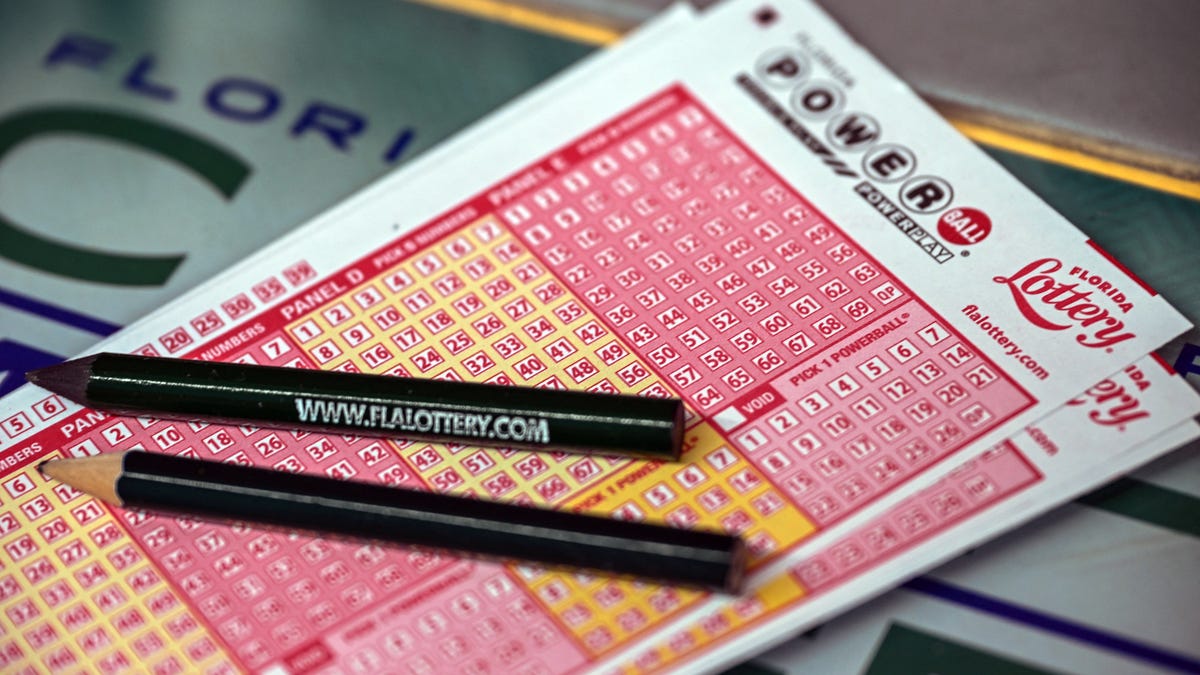
They’re calling it a dream. A life-changing opportunity. A chance to escape. But let’s call the Powerball jackpot what it really is: the most successful poverty tax ever invented, a masterfully executed sleight-of-hand that convinces millions of people to willingly hand over their hard-earned cash for a statistical impossibility, and now the bait in the trap is glittering with the promise of nearly $800 million. It’s a spectacle of manufactured hope, and you are the target. You always are.
Nobody won on Monday. Of course they didn’t. The winning numbers were 5, 18, 26, 47, 59, and the Powerball 22, a combination just as random and meaningless as any other, yet it served its purpose perfectly by ensuring the grand prize, a staggering $740 million, would roll over. Now it swells, growing into a financial black hole that warps the public consciousness and sucks in dollars from every gas station and corner store in the country. This isn’t luck. It’s math. A design.
A History Written in Lost Wages
Don’t for a second believe this is some new phenomenon born of our hyper-capitalist age. Oh no. The lottery is as American as apple pie and systemic inequality, a tool used by governments for centuries to fund projects without having to use the dreaded ‘T’ word on the wealthy. They started with lotteries to fund the colonies, to build universities like Harvard and Yale, always masking a regressive tax as a civic virtue, a game of chance for the common good. But the modern lottery, this Powerball behemoth, is a different beast entirely. It has been weaponized.
The system was perfected in the 1980s and 90s, when states, desperate for revenue streams that wouldn’t involve taxing their corporate donors, latched onto the lottery as a painless solution. The sales pitch was brilliant in its deception: “The money goes to education.” You’ve heard it a million times. It’s plastered on the tickets, it’s in the commercials with smiling children, it’s the moral justification for a predatory enterprise. Except it’s a lie. A carefully constructed bait-and-switch. When new lottery revenue comes in earmarked for schools, legislators often just reduce the general fund allocation for education by a similar amount, freeing up that money for whatever pet projects or corporate tax breaks they desire. The schools get a trickle, the state’s general fund gets a slush fund, and the lottery corporations get their cut. The only loser is the person buying the ticket. You.
They Engineered Your Defeat
Let’s talk about the numbers, not the ones on the little white balls, but the ones that actually matter. The odds of winning the Powerball jackpot are approximately 1 in 292.2 million. You are more likely to be killed by a vending machine, to be struck by lightning twice in your lifetime, or to be elected President of the United States without even running. These aren’t just long odds; they are a statistical barricade designed to be virtually impenetrable. They didn’t just make it hard to win; they engineered it to be nearly impossible, because the entire business model relies on failure. Gigantic, repeated, nationwide failure.
Think about the rollover. That’s the key. Each time nobody wins, the jackpot inflates, and the media frenzy ignites. News channels run breathless segments, websites plaster banner ads, and suddenly your social media feed is full of people asking, “What would you do with $800 million?” This isn’t journalism. It’s unpaid marketing for the state. They create a feedback loop of manufactured hysteria where the size of the prize becomes the story, driving more people to play, which in turn pushes the jackpot even higher. It’s a perpetual motion machine of false hope fueled by two-dollar bills from the pockets of people who can least afford it. A scam.
The Psychology of the Trap
Why do people play? It’s not because they’re bad at math. It’s because the system is selling something far more valuable than money: hope. It’s a cheap, accessible fantasy in a world where real economic mobility has become a cruel joke. For the price of a coffee, you can buy a 72-hour daydream where you quit your soul-crushing job, tell your boss off, buy your mother a house, and finally achieve a state of peace. This isn’t just a game; it’s a psychological pressure valve for a population under immense economic stress. The lottery doesn’t sell tickets; it sells the temporary illusion of a way out.
And the architects of this system know this. They know their target demographic isn’t the wealthy investor who understands compound interest. It’s the single mother working two jobs, the factory worker with a bad back, the student buried in debt. They place their lottery terminals in lower-income neighborhoods, they advertise most heavily in communities struggling with unemployment. They call it a game for everyone, but their marketing dollars tell you exactly who they see as the mark. It’s predatory. It’s disgusting.
Who Really Wins When You Lose?
Follow the money. It never lies. A huge chunk of every dollar spent goes to the state government. Another slice goes to the retailers, giving them an incentive to push tickets at the counter. And then there’s the big winner, the one nobody talks about: the private companies that run the games. Corporations like International Game Technology (IGT) and Scientific Games hold massive, lucrative contracts to operate these state lotteries. They design the games, run the technology, and manage the marketing. They have a vested, profit-driven interest in making the games as appealing and addictive as possible, tweaking the odds to ensure massive, headline-grabbing jackpots. They lobby politicians relentlessly to protect their golden goose. These aren’t public servants; they are corporate sharks who have found a way to partner with the government to fleece its own citizens.
Even if you win, you often lose. The stories are legion. The lottery curse. Winners who are bankrupt within a few years, hounded by long-lost relatives and con artists, their lives destroyed by the sudden, unmanageable influx of wealth. They become targets. Their families are torn apart. The dream becomes a nightmare. The system doesn’t just take your money; for the one in 292.2 million, it can take their entire life.
So as the news talks about the $800 million jackpot this week, see it for what it is. It’s not a miracle waiting to happen. It’s the culmination of a perfectly designed system of wealth extraction. It’s the flashing neon sign on the state-run casino, promising riches while guaranteeing poverty. The numbers 5, 18, 26, 47, and 59 from Monday night weren’t just random digits; they were the sound of the cash register, ringing up another massive profit for the house. The house always wins.
Don’t buy the ticket. Don’t buy the lie. Starve the beast.