The Price of Pop Culture: When the Set Becomes a Tomb
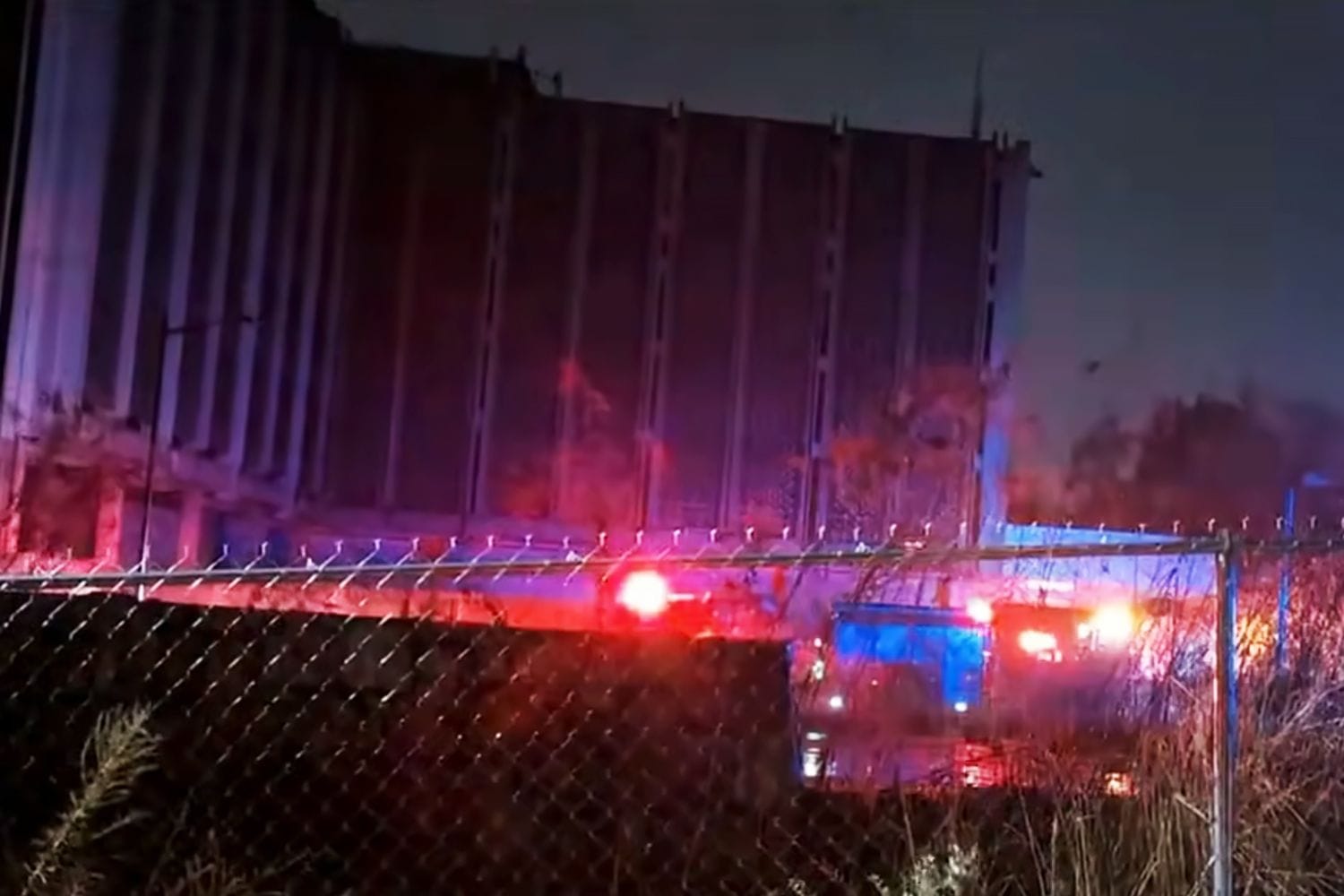
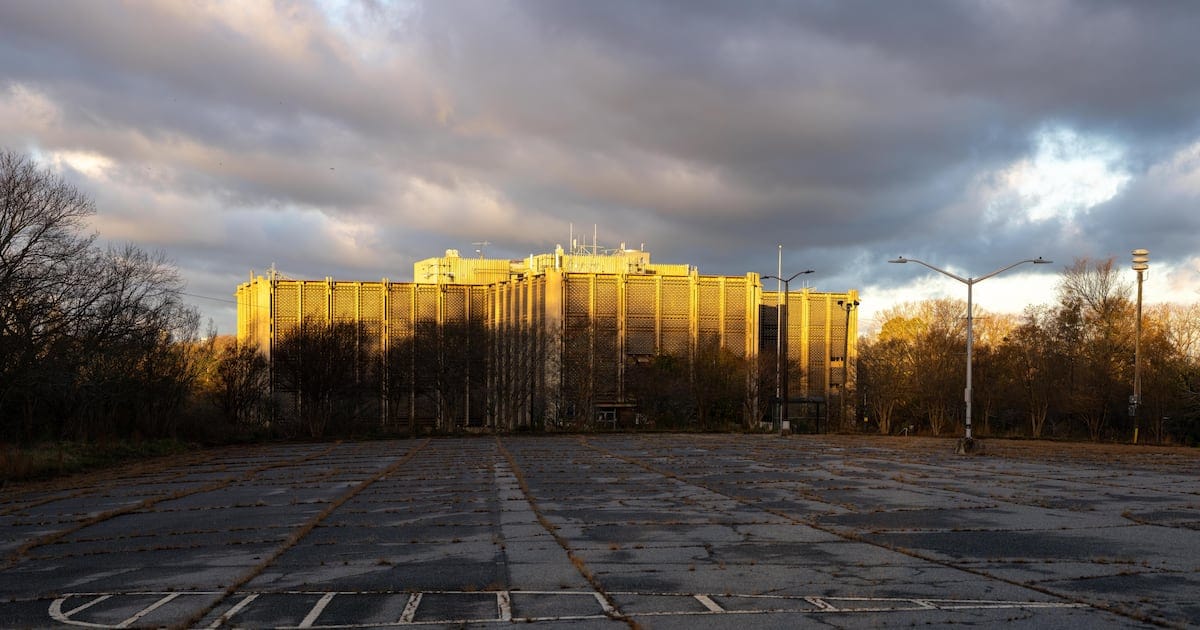
Let’s not mince words here. We’re talking about another fatality in the great, ongoing battle between common sense and pop culture clout. This time, the victim was a 19-year-old woman in Georgia, tragically killed after falling from an abandoned building that, in a twist of truly morbid irony, gained fame as a filming location for the immensely popular Netflix series, Stranger Things. The news reports are all very somber and respectful, focusing on the father’s heartbreak, which is of course the appropriate response. But let’s be honest with ourselves, shall we? This isn’t just a random accident; it’s a symptom of a much deeper cultural sickness, a sickness where the line between fiction and reality has blurred so completely that people are literally dying to get a picture in a place where make-believe monsters roam.
The building itself, part of Emory University’s Briarcliff campus, is exactly the kind of place that screams “danger” to anyone with two brain cells to rub together. It’s abandoned. It’s decrepit. It’s probably filled with structural hazards, asbestos, and ghosts—though maybe only one of those things actually kills you immediately. Yet, because a high-budget streaming show decided to use it as a backdrop for a few fleeting scenes, it transforms from a crumbling hazard into a pilgrimage site. A dangerous, potentially fatal pilgrimage site for a generation that prioritizes a digital artifact—a photo, a TikTok video—over their actual, physical well-being.
It’s a bizarre form of reverse Darwinism where the drive to appear interesting to strangers online trumps the basic instinct for survival. We see this play out time and time again, whether it’s people trying to take selfies on the edge of cliffs, standing too close to wild animals for a viral video, or, in this case, trespassing into clearly unsafe structures. The underlying impulse is identical: the validation from a digital audience outweighs the inherent risk. And here we are again, staring at the consequences, pretending we didn’t see it coming when the next generation of thrill-seekers inevitably pushes things just a little too far.
The Q&A: Where We Dissect the Cult of Clout
Q: Why is this specific story different from other accidental deaths? Isn’t it just a tragic, isolated incident?
A: No, it’s not isolated. It’s part of a disturbing pattern. This isn’t some random car crash; this is death by pop culture. We are now living in an era where the “experience economy” has infected every aspect of modern life, convincing us that merely consuming media is insufficient. We must *participate*. We must *document*. And the closer we get to the source material, the more authentic (and therefore valuable) the content becomes. The phenomenon of people seeking out filming locations for shows like Game of Thrones or movies like Joker has been around for years, but social media has amped up the stakes to an almost absurd degree. When a show like Stranger Things becomes a cultural juggernaut, its locations gain an almost mystical significance for its most devoted fans, transforming mundane real-world sites into hallowed ground for a specific kind of digital pilgrimage that promises social currency in exchange for physical risk.
The real difference here is the complete lack of a barrier to entry for these “experiences.” No security guards were posted. No official tour guides were present. Just a dilapidated building and a young person armed with a camera phone and the desperate hope for a viral moment. The risk wasn’t just physical; it was a societal one. We’ve created a culture that rewards this behavior, so we shouldn’t act surprised when it claims its pound of flesh. It’s a sickness. A collective sickness where we value the digital over the physical. The fact that the building had to be officially secured *after* the death occurred, not before, really tells you everything you need to know about the reactive, rather than preventative, nature of a society driven by crisis rather immediate and fleeting digital trends.
Q: Is it fair to blame Netflix or the creators of Stranger Things for this kind of behavior?
A: Blame is a tricky little animal, isn’t it? Legally, no, they probably aren’t liable. Ethically? That’s where it gets murky. The show didn’t tell her to go there, obviously. But let’s look at the bigger picture. When you create something with such immense cultural gravity, you also create a secondary effect: a magnet for those seeking to capitalize on that energy. The show itself is an ode to adventure, to exploring dangerous places, and to confronting the unknown. The entire premise revolves around a group of kids getting into trouble in abandoned or otherwise restricted areas. The show romanticizes the very act of trespassing and exploring forbidden spaces. Is it a stretch to suggest that this fictional narrative might influence real-world behavior in a highly impressionable audience? Perhaps. But the connection, however tenuous, is undeniable in the current cultural climate.
It’s not just about Stranger Things, either. Look at what happened with The Joker staircase in New York, which became a viral sensation for Instagrammers to mimic the iconic dance scene. Or the chaos surrounding the Area 51 raid a few years back—a satirical joke that spiraled out of control and almost became a real-world disaster because people felt compelled to participate in a meme. Pop culture, especially in the age of constant engagement, creates a demand for real-world interaction that often ignores real-world dangers. The creators of these shows and memes are selling a narrative, but they also bear some responsibility for the ecosystem they create. They know exactly how powerful these cultural hooks are, especially with a young audience desperate for whom a viral post often feels more urgent than basic safety protocols or common sense, and they certainly don’t go out of their way to add disclaimers beyond the bare minimum required by law.
Q: What does this say about modern society’s relationship with risk and social media?
A: It says we’ve completely lost the plot. We’ve entered a new phase of human interaction where the digital self is prioritized over the physical self. The “experience” of being at the location, taking the photo, and sharing the content has become the primary goal, while safety and even life itself are secondary concerns. This isn’t just about showing off; it’s about validating one’s existence through external metrics. If you didn’t post it, did you really go there? Did you really exist? This is the core existential dread of the social media age, manifesting itself in tragic physical accidents. The social media algorithm, which rewards high-risk, high-reward content, acts as a force multiplier for this behavior, encouraging people to take increasingly dangerous steps to stand out in an overcrowded digital landscape. The pressure to generate content, to feed the beast of the algorithm, creates a scenario where rational thought simply disappears inverts. Instead of seeing danger and retreating, a person sees danger and interprets it as an opportunity for more valuable content.
The father’s plea to other young people to stay out of abandoned buildings, while heartbreaking and necessary, is frankly a little futile in the face of this overwhelming cultural current. The next person in search of the next big viral moment won’t heed that warning; they’ll see a challenge. They’ll see an opportunity. They’ll see a path to a few thousand likes and shares, and for many in this generation, that’s a risk worth taking. The tragedy of this young woman’s death is a stark reminder that gravity, unlike social media, does not care about your follower count. It just does its thing. Gravity always wins. Always.
Q: What are the future implications of this trend? Will we see more “pop culture pilgrimage” deaths?
A: Absolutely. This isn’t going away. In fact, it will get worse before it gets better. As AI-generated content becomes more prevalent and sophisticated, and as deepfakes blur the line between real and fake, the demand for *authentic* real-world experiences will only intensify. People will feel an even stronger need to prove they were at a location, that they experienced something tangible, precisely because so much digital content is becoming untrustworthy. This creates a feedback loop where the more fake things get online, the more desperate people become to validate themselves in the real world. This desperation will lead to more risk-taking, more trespassing, and more tragic accidents at locations that are completely unsuited for public visits.
We are entering a phase of pop culture-induced self-sabotage, and the only possible solution is for society itself to change its values. We need to stop rewarding this kind of behavior, stop giving clicks and likes to people who put themselves in harm’s way, and instead start valuing genuine accomplishment over fleeting digital performance. But let’s be realistic here: that’s not going to happen. The algorithms are too powerful, the desire for fame too great, and the next big show is already in production. The cycle will repeat, and we’ll be here next time, shaking our heads at another tragic-but-predictable news story. Maybe next time it will be a different building, a different show, but the underlying narrative—a young person dying for a photo—will be identical. It’s the circle of life, but with more social media and fewer real-less actual living. The future looks grim, and not just because of the Upside Down.