The Anatomy of a Pre-Written Obituary
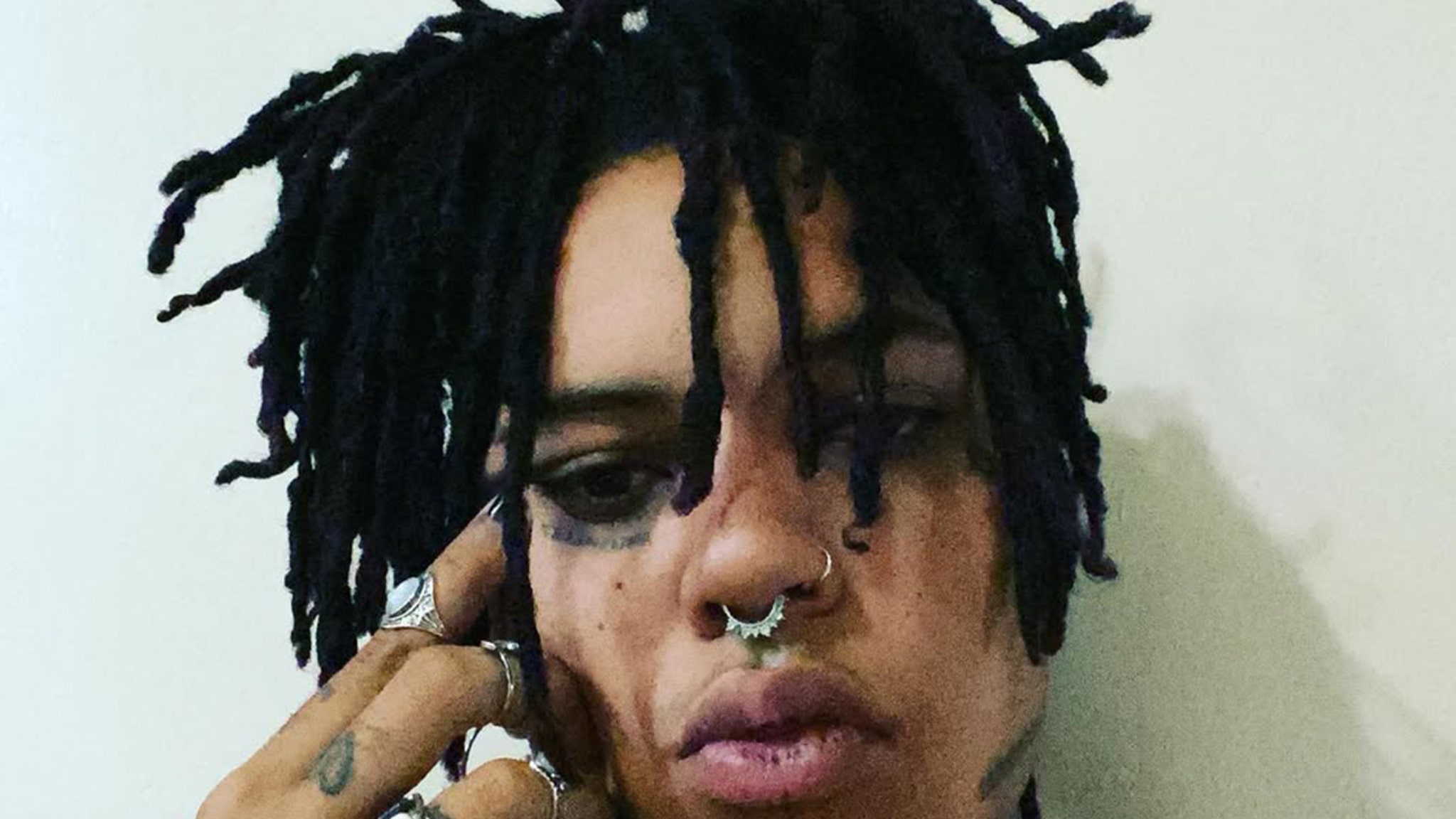
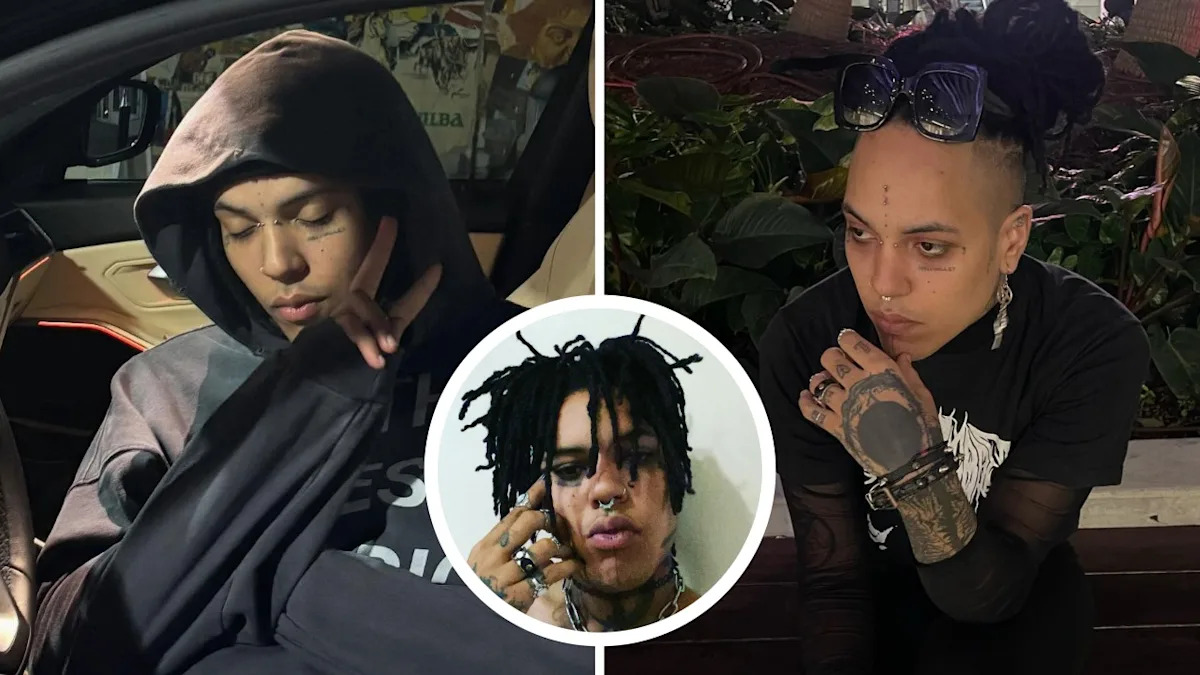
The news breaks like it always does. A TMZ headline, stark and sterile, followed by a flurry of copy-paste articles from less ambitious outlets. “Rapper POORSTACY Dead at 26.” The words are a formality, a placeholder for a narrative that was already written long before Carlito Milfort’s body was cold. The initial reports—leaked, of course, with that ghoulish TMZ efficiency—whisper of suicide. And just like that, the gears of the content machine begin to grind, churning out the same tired story we’ve seen with Peep, with Juice WRLD, with Mac Miller. A troubled young artist, gone too soon. A tragedy. But calling it a tragedy is a gross oversimplification. It’s not a tragedy; it’s a business model reaching its logical, and bloody, conclusion.
Let’s deconstruct the immediate fallout, shall we? The medical examiner’s confirmation serves as the official starting pistol for the public performance of grief. But look closer at the language. “It sounds like he may have taken his own life.” This is not journalism. It is narrative construction in real-time. This carefully chosen phrase plants the seed. It frames the entire event through the lens of self-destruction before a single official report is released, immediately aligning the death with the artist’s pre-packaged brand of sorrow and angst. It’s clean. It’s simple. It fits the box the industry had already built for him.
This isn’t an accident. It’s a feature of the modern music ecosystem, an ecosystem that rewards the public performance of pain. POORSTACY wasn’t just a musician; he was a product line of consumable melancholy. The tattoos, the lyrics drenched in despair, the carefully curated aesthetic of a man on the edge—it’s all part of a package sold to an audience eager to feel something, anything, by proxy. The industry didn’t just find a sad young man and give him a microphone. It found a malleable vessel and amplified his anguish, polished it, produced it, and put a price tag on it. So when the end comes, it feels less like a shock and more like the final, inevitable episode of a series everyone has been binge-watching. The ultimate content drop.
The Emo Rap Industrial Complex
To understand what happened to POORSTACY, you have to understand the machine that created him. It’s a well-oiled apparatus I call the ‘Emo Rap Industrial Complex.’ It’s a subgenre that mastered the art of commodifying mental anguish and turned it into a multi-million dollar enterprise. It’s a feedback loop from hell. The artist is incentivized to dig deeper into their trauma because darker lyrics get more streams. The audience, often young and impressionable, consumes this pain as a form of validation for their own, creating a parasocial bond built on shared misery. The labels and executives, meanwhile, count the cash, seeing these artists not as people but as assets with a tragically predictable depreciation schedule. They aren’t selling music; they’re selling authentic, marketable despair.
And who sits at the center of this revival, this bridge between the mall-punk of the 2000s and the SoundCloud despair of today? Travis Barker. His involvement is not a coincidence; it’s a certification of authenticity. Barker’s collaboration is the industry’s stamp of approval, a signal that this particular brand of sadness is commercially viable. He’s the kingmaker. But in being the kingmaker for a genre that seems to have an alarmingly high mortality rate, one has to ask a rather uncomfortable question: is he a collaborator or an enabler? (A question no one in the industry will ever dare to ask out loud, of course). He provides the sonic blueprint, linking the new generation’s trap beats with the pop-punk power chords of yesteryear, creating a product that is both nostalgic and novel. It is a brilliant business strategy. For the business. For the artists trapped inside it, it’s a gilded cage where the only way to keep the checks coming is to keep bleeding on the track.
A System Designed for Collapse
This system is fundamentally unsustainable because it demands an endless supply of something finite: a person’s will to live. An artist can only perform their own destruction for so long before the performance becomes reality. The pressure is immense. You’re expected to be the sad, tortured soul 24/7. On Instagram. On tour. In interviews. Any deviation, any hint of happiness or stability, is a betrayal of the brand. You become a caricature of your worst moments, and that caricature pays your bills. This creates a terrifying psychological prison. If your entire career and livelihood are built on the foundation of your own suffering, what incentive is there to ever get better? Getting healthy is, in a very real sense, career suicide. So, many are faced with a different, more literal choice. It’s a house of cards, built on a fault line, and we act surprised every single time it collapses. It is not surprising. It is inevitable. The model requires martyrs.
The Digital Wake and the Posthumous Profit Margin
And now, the final act begins. The digital wake. It’s a predictable, almost ritualistic process. First come the hollow tributes from other industry players—the obligatory “gone too soon” tweets from people who likely wouldn’t have given him the time of day last week. These aren’t messages of genuine grief; they are SEO-optimized expressions of relevance, a way to insert themselves into the trending topic. It is brand management. Then come the fans, flooding comment sections with broken heart emojis, turning his social media profiles into digital mausoleums. They will claim he was a prophet, a voice for the voiceless, elevating his status to that of a martyr for the sad generation. This mythologizing is crucial, as it scrubs the blood from the hands of the industry and places the burden of his death solely on the nebulous concept of ‘his demons’. It was his fault. Not the fault of the system that profited from those demons.
The machine, however, has one last function. The posthumous release. You can set your watch by it. Within a year, an album of ‘unreleased tracks’ will inevitably appear. B-sides, demos, and half-finished voice memos will be stitched together by producers and executives, packaged as a ‘final gift to the fans’. It will be a commercial smash. His streaming numbers have already skyrocketed, of course. Death is, and has always been, a fantastic career move. His legacy will be curated, his image sanitized, and his art will be sold back to the very people mourning him. His family might see some of that money (if the lawyers and the label leave anything behind), but the real winners are the corporations that own his masters. They have their martyr, their tragic story, and a brand-new revenue stream that no longer has to pay the talent.
So when you see the headlines and the tributes, don’t just see a tragedy. See a transaction. See the final payment on a contract that was signed in invisible ink. POORSTACY wasn’t the first, and he is statistically unlikely to be the last. He is a casualty of a system that has perfected the art of mining trauma for profit, and we, the consumers, are the ones who keep the mine open. We stream the sadness, we buy the merchandise, and we express our shock when the inevitable happens. Then we wait for the next sad kid with a dream to step up and take his place. The machine always needs fresh blood.