US Braces for Potentially Crippling Winter Storm
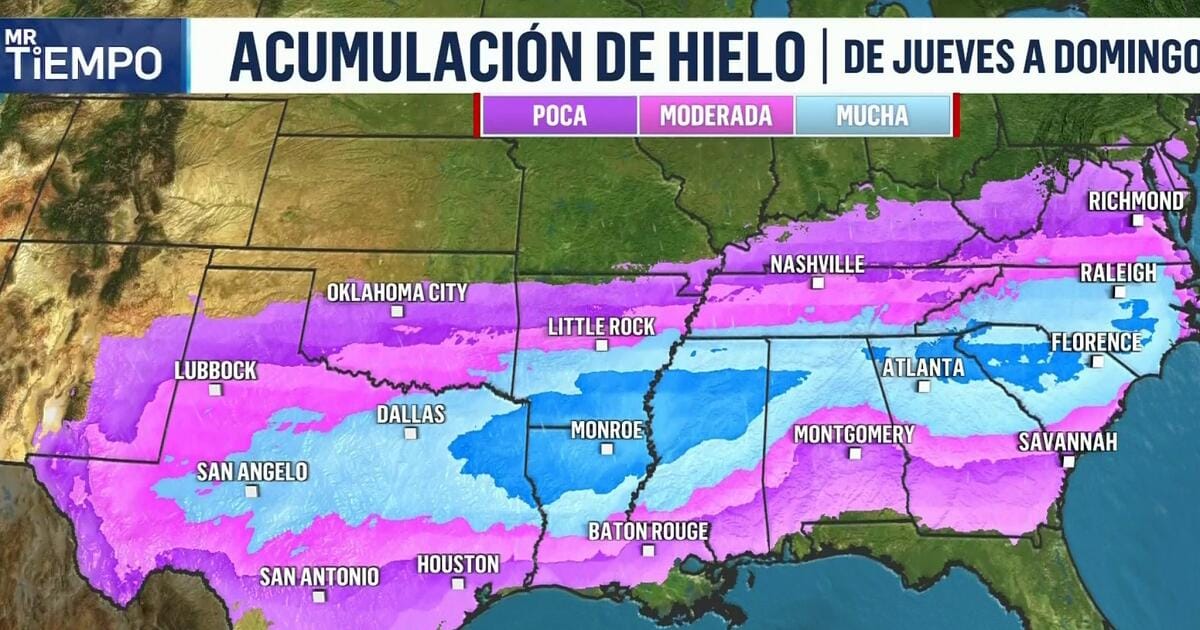
A significant winter storm is poised to sweep across large swathes of the United States, bringing with it the threat of severe cold, ice accumulation, and widespread disruptions. The storm system is being driven by a potent combination of atmospheric factors, including a powerful polar vortex, abundant moisture, and a concerning lack of protective sea ice.
Understanding the Forces at Play
Meteorologists are closely monitoring the development of this storm, identifying the polar vortex as a primary driver. This vast area of circulating cold air, typically located near the Earth’s poles, can occasionally dip southward, bringing its frigid influence to lower latitudes. Its descent signifies a major shift in weather patterns, often heralding extreme cold.
Adding to the danger is the ample moisture present in the atmosphere. This humidity is crucial for the formation of heavy precipitation, which, when combined with sub-freezing temperatures, can lead to significant ice accumulation. This is where the concern for widespread ice becomes paramount.
Compounding these factors is the observed lack of sea ice. Normally, expansive sea ice cover can act as a buffer, moderating air temperatures over large bodies of water. Its absence means that colder air masses are less impeded, allowing them to plunge further and maintain their intensity more readily as they move inland.
Widespread Impact Expected
The forecast indicates that approximately 230 million people will face temperatures of -7 degrees Celsius (20 degrees Fahrenheit) or colder. This broad reach means that a significant portion of the U.S. population is at risk of experiencing hazardous weather conditions, including blizzards, freezing rain, and extreme cold.
Ice: The Foremost Concern
While heavy snowfall is a common threat during winter storms, forecasters are highlighting ice as the most significant concern for this particular event. The potential for significant ice accumulation on surfaces poses a severe risk to infrastructure, transportation, and public safety.
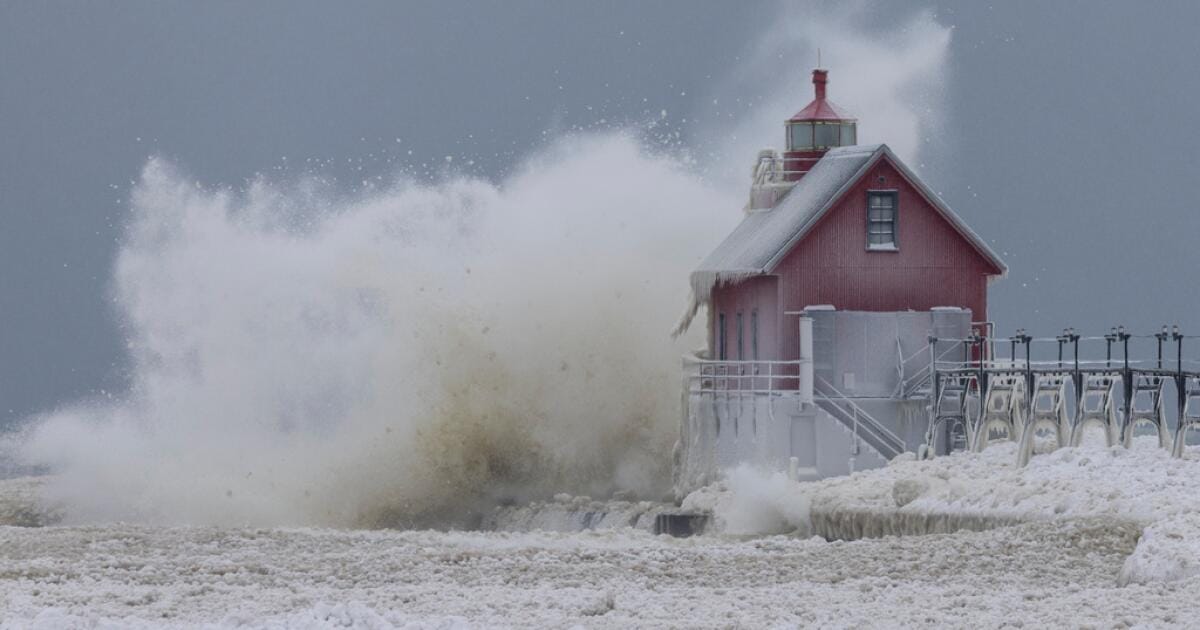
Accumulated ice can bring down power lines, damage trees, and make roads and sidewalks treacherous. The weight of ice can also strain bridges and other structures, increasing the risk of failures. This makes preparedness for icy conditions a top priority.
Preparations Underway
In anticipation of the storm, authorities and residents are taking steps to mitigate its impact. Municipal crews have been observed spreading salt on roadways to prevent ice buildup and improve traction. This is a critical measure to maintain essential transportation routes.
On a personal level, citizens are stocking up on essential supplies. Reports indicate increased purchases of items such as batteries, flashlights, and non-perishable food. These actions reflect a collective understanding of the potential for power outages and the need for self-sufficiency during the storm’s duration.
Why This Matters: A Broader Perspective
This upcoming winter storm is more than just a localized weather event; it represents a symptom of larger climatic shifts. The influence of the polar vortex, coupled with environmental changes, underscores the increasing unpredictability and intensity of weather patterns.
The phenomenon of a dipping polar vortex is not new, but its frequency and the severity of the cold air it unleashes can be influenced by broader climate trends. Changes in the jet stream, which can be affected by Arctic warming and the reduction of sea ice, play a crucial role in directing these frigid air masses southward.
The lack of sea ice in polar regions is a direct consequence of global warming. As Arctic temperatures rise at a rate significantly faster than the global average, sea ice melts, exposing darker ocean water that absorbs more solar radiation. This creates a feedback loop that further accelerates warming and can destabilize the polar vortex, leading to more extreme weather events in mid-latitude regions.
This interconnectedness highlights the global nature of climate change. Events such as this severe winter storm in the U.S. serve as tangible reminders that environmental changes occurring far away can have profound and immediate impacts on our daily lives.
Looking Ahead: Resilience and Adaptation
As the storm approaches, the focus will be on immediate safety and response. Emergency services will be stretched thin, and communities will need to rely on prepared individual and collective efforts. The duration and intensity of the storm will determine the extent of the recovery period.
Beyond the immediate crisis, this event offers a stark reminder of the need for enhanced climate resilience. Investing in robust infrastructure that can withstand extreme weather, improving early warning systems, and promoting energy conservation are crucial steps.
Furthermore, addressing the root causes of climate change through global cooperation and transitioning to sustainable energy sources remains paramount. While individual preparedness is vital for immediate survival, long-term adaptation and mitigation strategies are essential for navigating an increasingly volatile climate future.
The scientific understanding of these complex atmospheric dynamics continues to evolve. Ongoing research into the behavior of the polar vortex, the role of sea ice, and the broader implications of climate change will be critical in providing more accurate predictions and developing effective strategies to protect communities from future severe weather events.