Major Polar Vortex Disruption Forecast for Late January
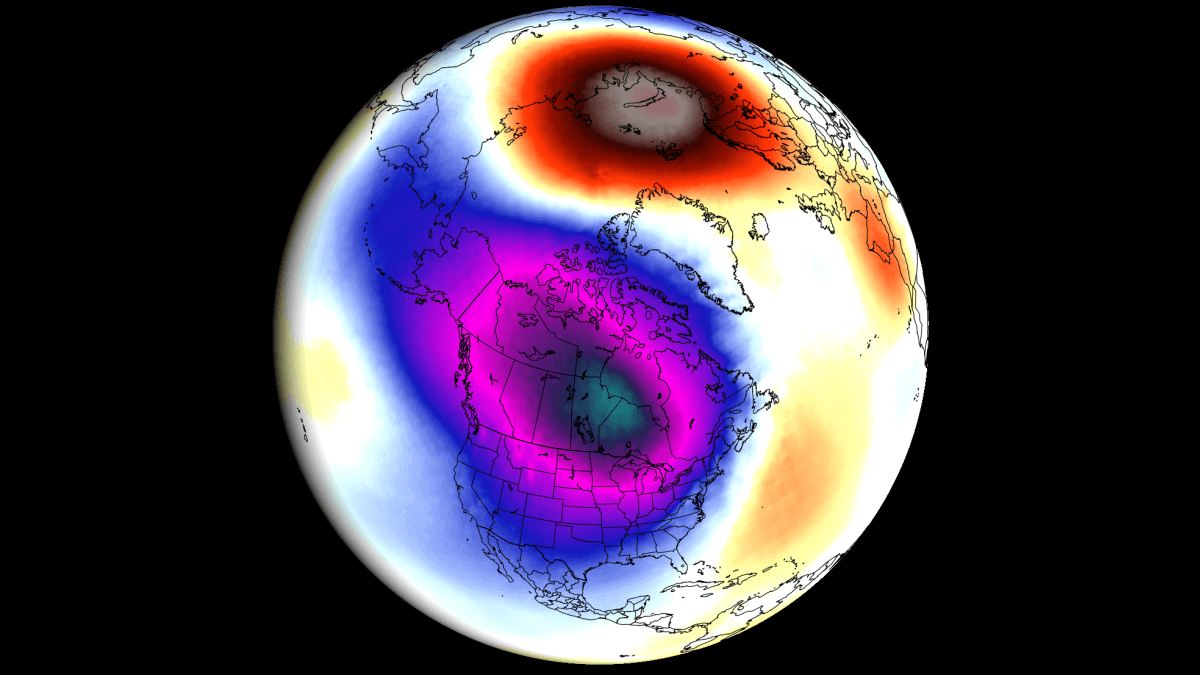
A significant disruption of the Polar Vortex has begun, with forecasters predicting an even stronger event for late January. Latest high-resolution model data indicates a major shift in atmospheric pressure systems, expected to unleash the coldest air of the season across North America and Europe.
Understanding the Polar Vortex
The term ‘polar vortex’ has become a common feature in weather discussions, but its precise meaning and impact can sometimes be misunderstood. The polar vortex is a large area of low pressure and cold air surrounding the Earth’s poles. It typically remains strong and contained over the Arctic.
However, disruptions can occur when this vortex weakens or becomes unstable. These disruptions can lead to the displacement of the cold Arctic air southward, causing significant temperature drops in mid-latitude regions.
Regional Stratospheric Warming and Its Effects
Recent analyses show regional stratospheric warming expanding westward towards the East Coast of North America in late January. This warming phenomenon is a key factor in destabilizing the polar vortex. When the stratosphere warms significantly, it can send ripples downward, influencing the jet stream and the vortex’s stability.
This stratospheric activity is directly linked to the anticipated East U.S. chill. The weakening and shifting of the polar vortex can allow frigid air masses, normally confined to the Arctic, to surge southward.
Impact on North America
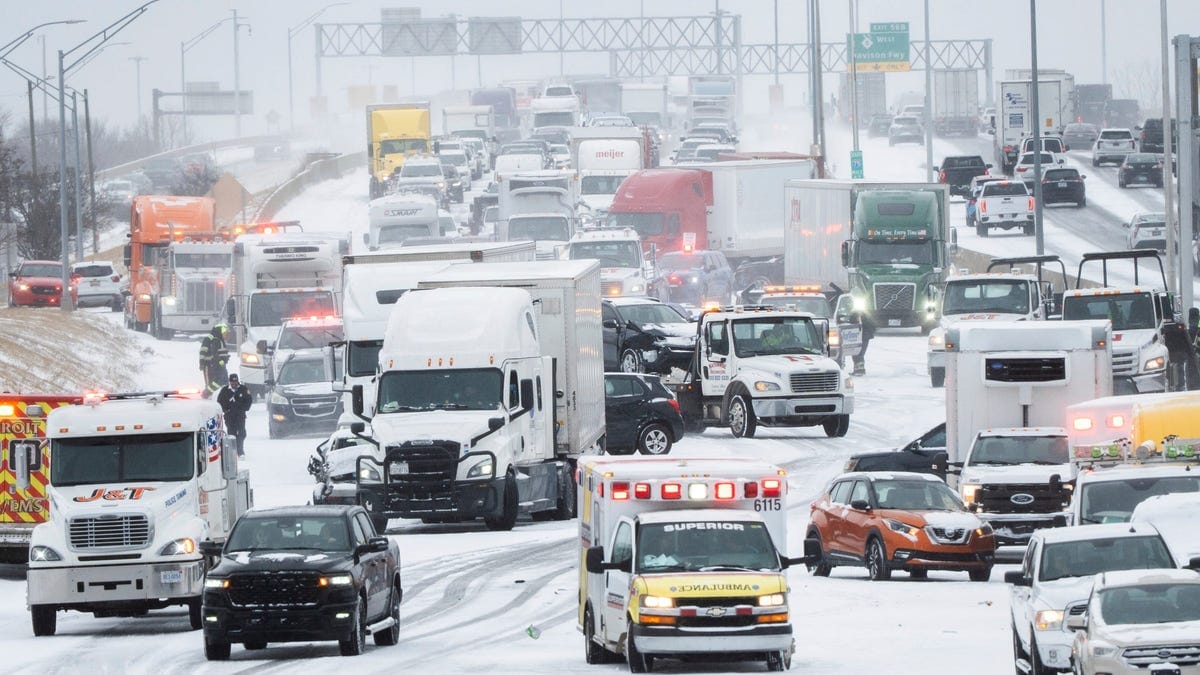
North America is expected to experience the brunt of this cold air outbreak. The coldest temperatures of the season are forecast to settle over much of the continent. This includes potential for widespread freezing conditions, impacting daily life, transportation, and energy demand.
While sometimes confused with simpler jet stream dips, a true polar vortex event can bring prolonged periods of extreme cold. Forecasters are closely monitoring the developing situation to provide the most accurate and timely warnings.
European Cold Snap Anticipated
Europe is also bracing for a significant cold spell. The destabilized polar vortex is projected to send cold air masses across the Atlantic and into the European continent. This could result in unusually low temperatures and increased snowfall across various regions.
Residents and authorities in affected areas are advised to prepare for potentially severe winter weather conditions. Energy providers will be monitoring demand, and transportation networks may face disruptions.
The Science Behind the Forecast
High-resolution weather models are crucial in tracking these complex atmospheric events. The latest data suggests a more pronounced and impactful disruption than previously anticipated. The interplay between stratospheric warming, polar vortex stability, and the jet stream dictates the trajectory and intensity of the cold air.
It is important to distinguish between a general cold snap caused by a typical jet stream trough and a significant polar vortex displacement. The latter can result in more extreme and widespread cold.
El Niño and Long-Term Climate Patterns
While this specific event is driven by polar vortex dynamics, long-term climate patterns can also play a role in overall winter severity. For instance, the potential for El Niño conditions in the coming year could influence global weather patterns. El Niño, characterized by warmer-than-average sea surface temperatures in the central and eastern Pacific Ocean, can have far-reaching effects on atmospheric circulation.
The interaction between El Niño and other climate drivers, such as the polar vortex, creates a complex forecasting challenge. Meteorologists continually analyze these interactions to refine seasonal and sub-seasonal weather outlooks.
Preparing for Extreme Cold
As the forecast indicates a period of significantly colder weather, public safety is paramount. Individuals are urged to stay informed about weather advisories, take precautions to protect themselves from the cold, and ensure their homes are adequately prepared for low temperatures. This includes checking heating systems and insulating homes.
For those in regions expecting heavy snowfall, preparations for clearing snow and ensuring safe travel conditions are also advised. Emergency services are put on alert to respond to any weather-related incidents.
Conclusion on the Polar Vortex Event
The unfolding polar vortex disruption in late January represents a significant weather event with the potential to bring the coldest air of the season to large parts of the Northern Hemisphere. Continuous monitoring and accurate forecasting are essential for mitigating the impacts of this cold air outbreak.