The Ultimate Hollywood Backstab? Or Pure Genius?
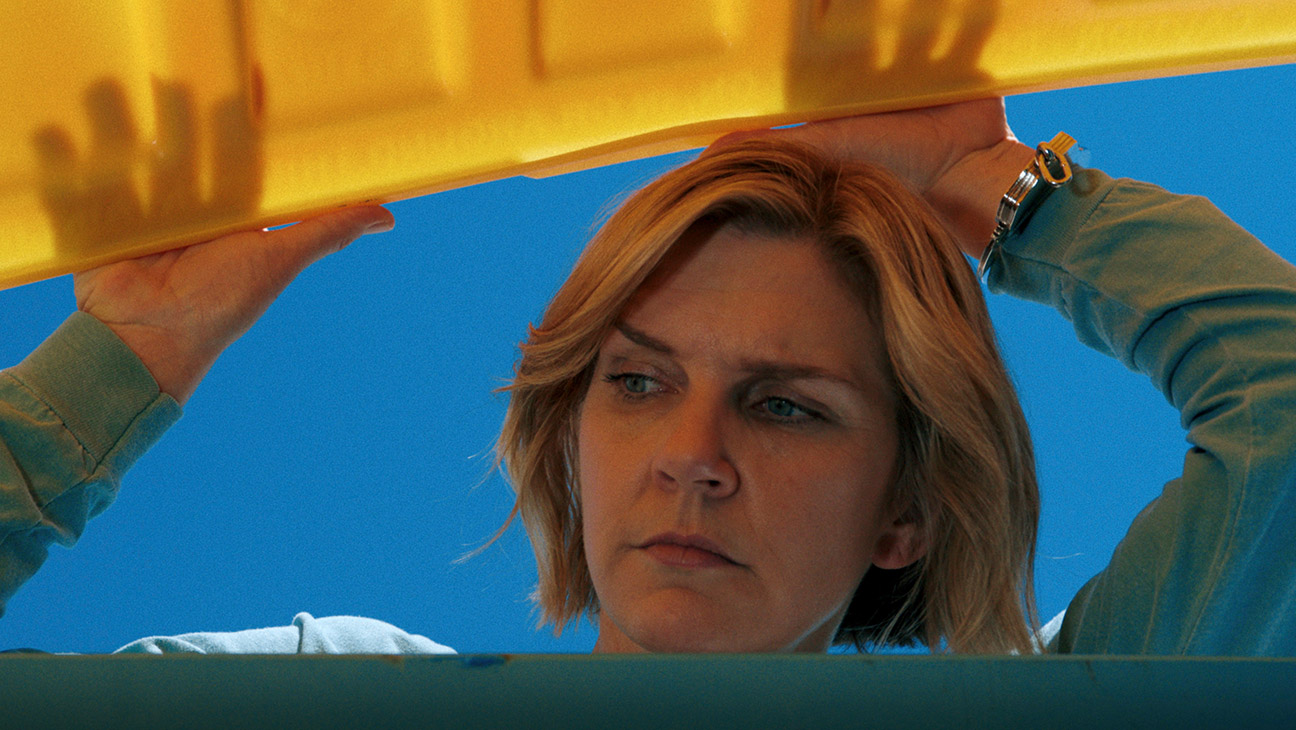
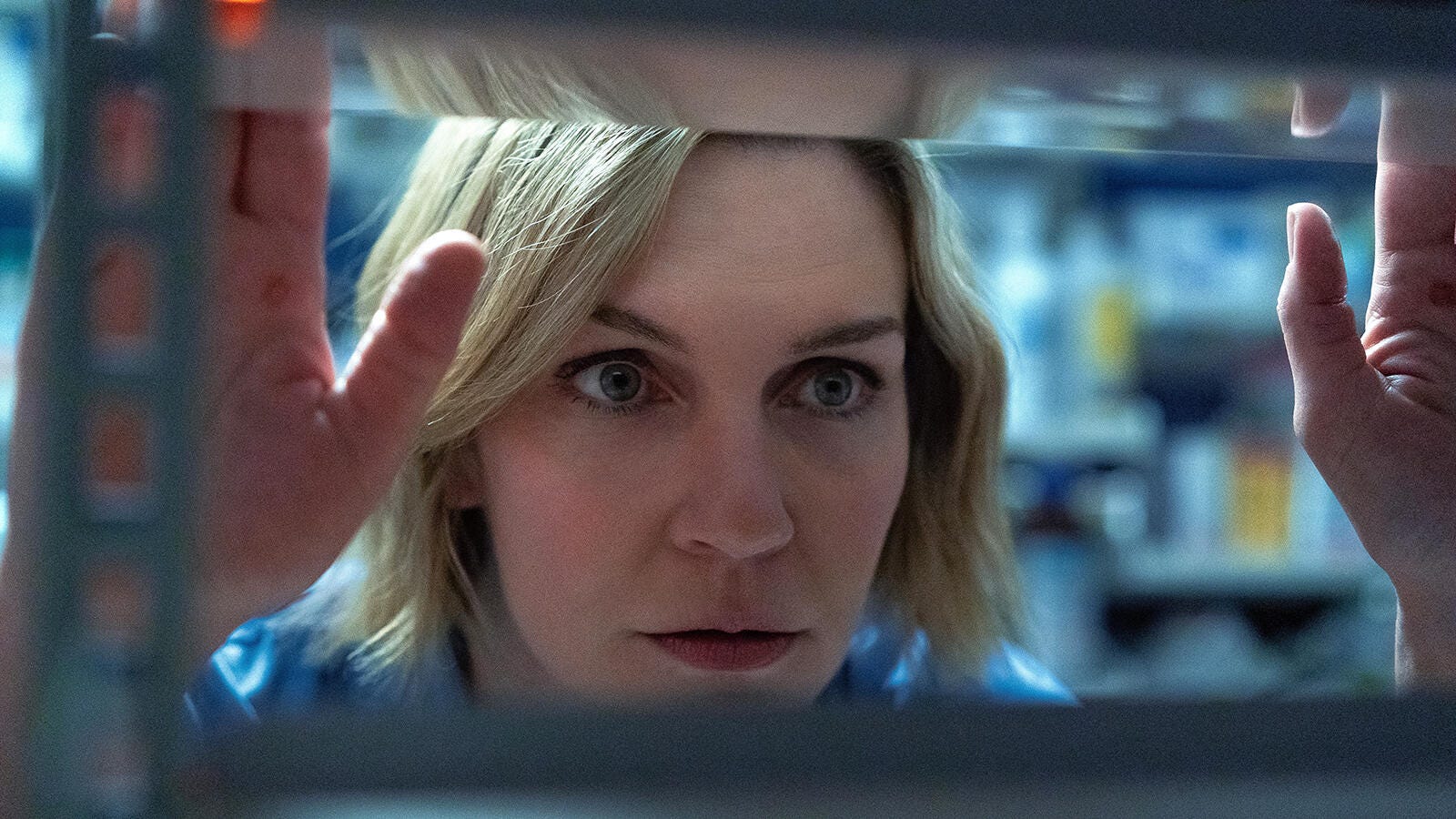
Let’s get one thing straight. We all love a good surprise. But there’s a line, isn’t there? And it seems like Vince Gilligan and his crew on the new hit show Pluribus just tap-danced all over that line with golf spikes. Because the latest bombshell to drop isn’t about a shocking plot twist for the audience, but a calculated deception played on their own leading lady, the immensely talented Rhea Seehorn. You read that right. They snuck in a massive Better Call Saul cameo, a voice from her past, and didn’t even have the decency to give her a heads-up. They ambushed her. On her own set. And frankly, we need to talk about whether this is brilliant television or just a really messed-up way to treat your star player.
The episode in question, “Got Milk,” was already a tense affair. But nobody, and I mean nobody, saw this coming. Certainly not Seehorn. And while the show bosses are patting themselves on the back, calling it a fun little reunion, you have to wonder what was really going on in Rhea’s head when she heard that familiar voice piped into her ear while cameras were rolling. Shock? Betrayal? Or just plain confusion? It’s the kind of on-set story that sounds fun in a glossy magazine interview but feels a little… off. A little manipulative. Because at the end of the day, they used her genuine reaction as a performance piece. They didn’t trust their acclaimed actress to, you know, act. They wanted something real, and they got it by pulling a fast one on her.
The Anatomy of a ‘Surprise’
So how did this all go down? According to showrunner Gordon Smith, who’s basically Gilligan’s right-hand man, the plan was hatched in the kind of shadowy backroom meetings you’d expect from a Gus Fring operation. The idea was simple, yet diabolical. They needed a specific voice for a scene, and thought, who better to fill that role than a beloved figure from the Better Call Saul universe? But here’s the kicker. They knew, absolutely KNEW, that if they told Rhea, the surprise would be gone. The magic, as they call it, would evaporate. So they swore everyone to secrecy. The crew, the sound guys, probably even the caterers. It was a conspiracy on a scale that would make Walter White proud.
And when the day came, they just let it rip. Cameras rolling, Seehorn in the zone, delivering her lines, and then BAM. That voice comes through her earpiece or over a speaker. A voice she spent the better part of a decade working with. A voice tied to one of the most iconic characters in modern television. And they got their shot. They got that flicker of genuine, unscripted surprise. A moment that fans would later dissect frame by frame on Reddit, hailing it as another example of the Gilligan-verse’s unparalleled genius for detail and emotional resonance. But at what cost? Is a single, authentic take worth creating an environment of mistrust with the very person carrying your new show on her back? It’s a razor’s edge. They’re not just making a show; they’re playing a high-stakes game with their own talent, and this time, Rhea Seehorn was the unwitting pawn. It’s a bold move, and while it paid off in fan excitement, it sets a dangerous precedent. Who are they going to surprise next? And will they always be so happy about it?
The Gilligan-Gould Playbook: A History of Manipulation
Okay, let’s not pretend this came out of nowhere. Vince Gilligan and his creative partner Peter Gould have built an empire on meticulous planning, psychological depth, and, yes, a healthy dose of audience manipulation. This isn’t a bug; it’s a feature. For over a decade, spanning Breaking Bad, El Camino, and Better Call Saul, their entire brand has been about staying ten steps ahead of everyone, including the viewer. They are the grandmasters of television, and we are all just watching their chess game unfold. Think about the hidden clues, the visual foreshadowing, the callbacks that only make sense years later. It’s all part of a grand design, a narrative tapestry so intricate that it demands and rewards obsession.
This Pluribus cameo fits perfectly into that playbook. It’s not just a cute nod to the fans. It’s a power move. It’s a way of saying, “This new show? It’s still our world. We still make the rules.” By linking Pluribus so directly and so sneakily to Better Call Saul, they’re essentially drafting off its success, ensuring that the massive, dedicated fanbase of the previous show follows them to the new one. It’s a brilliant, if cynical, marketing strategy disguised as a fun Easter egg. They’re telling the audience that you can’t afford to miss a single frame of Pluribus, because you never know when a piece of the old world might bleed through. It keeps the theorists buzzing, the YouTube essayists churning out content, and the social media engagement through the roof. They didn’t just create a scene; they created a week’s worth of free publicity.
Is It Fan Service or a Creative Crutch?
But here’s the dangerous part. When does clever world-building become a creative crutch? When does fan service start to undermine the integrity of a new story? Pluribus needs to stand on its own two feet. It has a new story to tell, a new world to build. And while Rhea Seehorn is an incredible anchor, constantly tethering the show to its beloved predecessor risks turning Pluribus into nothing more than Better Call Saul: The Next Generation. The show deserves its own identity. And by surprising Seehorn in this way, they also forced her, in that moment, to be Kim Wexler again, not just the new character she’s trying to build. They momentarily broke the fourth wall for her, but not for the audience. It’s a weird, meta-textual moment that feels more like a DVD extra than a piece of core storytelling.
Let’s be real, the pressure to maintain the quality and buzz of the Breaking Bad universe is immense. It’s a golden goose, and you can’t blame them for wanting to keep it laying eggs. This cameo was a calculated injection of hype, a way to remind everyone of the pedigree behind this new project. But they need to be careful. Rely too heavily on these tricks, and the magic starts to feel cheap. The universe starts to feel small. The cameos begin to feel less like exciting surprises and more like contractual obligations. For now, they got away with it. The buzz is deafening, and everyone is talking. But the next time they pull a stunt like this, the reaction might not be so universally positive. They’re playing with fire, and the line between genius and gimmick is thinner than they think.
The Future of the ‘Gilliganverse’ and What This Means for TV
So, what’s the endgame here? This surprise cameo wasn’t just a moment; it was a statement of intent. Vince Gilligan is officially in his cinematic universe era. But unlike the heavy-handed, continuity-obsessed worlds of Marvel or DC, his is more subtle, more insidious. It’s a universe built on mood, on character archetypes, on a shared sense of moral decay lurking beneath a sun-bleached Albuquerque sky. And this cameo is the first major bridge between the old world and the new. It confirms that everything is connected, and that the ghosts of Walter White and Jimmy McGill will likely haunt whatever new stories he chooses to tell. This is both incredibly exciting for long-time fans and potentially suffocating for the new show.
What does this mean for the future of Pluribus? Get ready for more. You can bet your last dollar that this wasn’t a one-off. The floodgates are now open. Every time a phone rings or a character is mentioned off-screen, the entire fanbase will be holding its breath, waiting for another familiar voice or face. Will we see a grizzled Jesse Pinkman running a woodworking shop in Alaska? A brief appearance by Patrick Fabian’s Howard Hamlin in a flashback? The possibilities are endless, and Gilligan and Smith know it. They’ve turned their audience into a legion of detectives, and they’ll be dropping breadcrumbs for us to follow for seasons to come. It’s a way to keep the conversation going indefinitely, long after the final credits roll.
A New Standard for Secrecy
This event also sends a chilling message across the television industry. In an age of leaks and spoilers, the Pluribus team just showed everyone how to keep a secret: by not even telling your stars. It raises the bar for production secrecy to an almost paranoid level. We’ve seen it with shows like Game of Thrones, where scripts were practically state secrets, but this is different. This is about manipulating the on-set environment itself to generate a specific, authentic performance. It’s a technique that other showrunners will undoubtedly try to replicate. But can they? The magic of this particular moment comes from the deep, shared history of the Better Call Saul cast and crew. It was a family playing a prank on one of its own. In the hands of a less beloved creator, or on a set with less camaraderie, a stunt like this could backfire spectacularly, leading to resentment and a toxic work environment.
Ultimately, Gilligan and his team took a massive gamble. They risked alienating their lead actress for the sake of a single, perfect moment. They prioritized the audience’s surprise over their actor’s preparation. And it worked. For now. The headlines are glowing, the fans are ecstatic, and Rhea Seehorn herself seems to have taken it in stride, at least publicly. But this entire affair serves as a fascinating case study in the blurred lines between creative genius, marketing savvy, and psychological manipulation. They played everyone—the audience, the media, and even their own cast—like a fiddle. And while we can applaud the beautiful music they made, we should never forget who was pulling the strings.