The Official Story: A ‘Convoluted’ But Exciting New Format
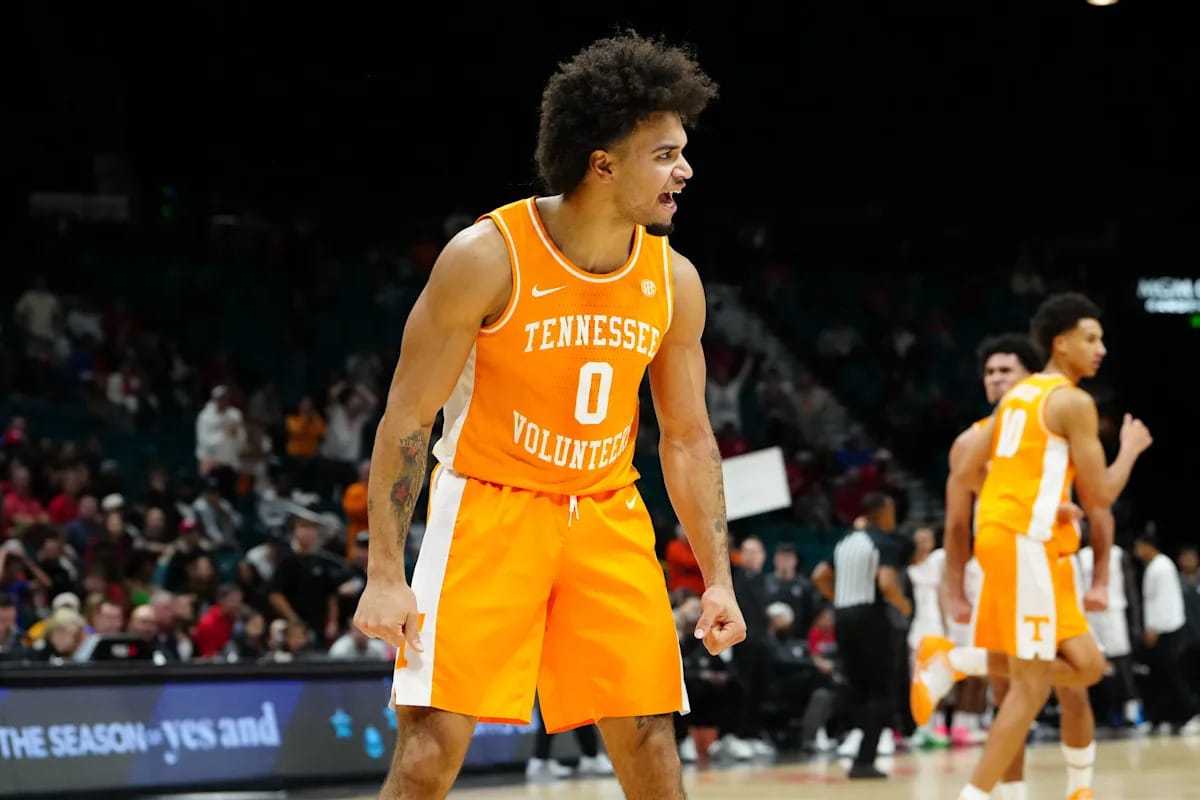
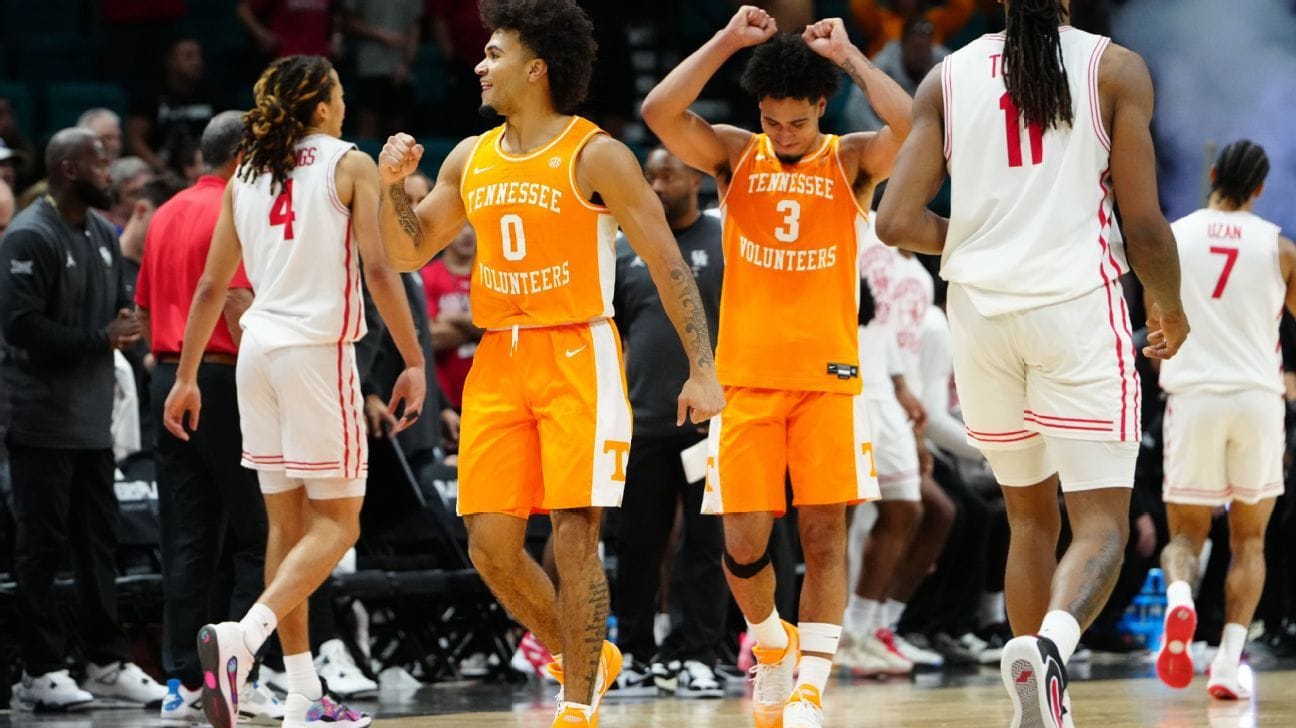
They’re selling you a fairy tale. The media, the organizers, the coaches making their millions—they all spin the same yarn. They’ll tell you the Players Era Festival in Las Vegas is an innovative, thrilling new chapter in college basketball. They’ll use soft, corporate-tested words like “convoluted” to describe a format where an undefeated team, the No. 17 Tennessee Volunteers, can march into Sin City, silence the doubters, knock off the No. 3 team in the nation, and still get politely shown the door to the third-place game. It’s just a quirky system, they say. A few wrinkles to iron out. Rick Barnes put on a brave face, talking about silencing “chatter” over his team’s schedule, but even he has to know what this really is. They want you to believe this is about competition, about the “Players Era,” about celebrating the athletes. They want you to see it as a simple, if oddly structured, tournament.
A mistake.
The Grimy Truth: A Pre-Packaged Product for Gamblers and Networks
Let’s kill that fantasy right now. This wasn’t a tournament. It was a business transaction, a meticulously staged piece of sports entertainment theatre executed in the one city on Earth that understands how to separate a fool from his money: Las Vegas. The “convoluted format” isn’t a bug; it’s the entire feature. It’s a safety net woven by investors, gambling syndicates, and television executives to ensure they get the championship matchup they paid for, not the one that’s earned. Tennessee was never meant to be in the final. They were the plucky underdog character, the sacrificial lamb brought in to create a good storyline on Tuesday night, to make the eventual “chosen” champion look stronger. They played their part too well, they actually won, and in doing so, they exposed the entire rotten enterprise for what it is. A fraud.
Follow the money, it never lies. Why host this in Vegas? For the weather? No. You host it in the Mecca of gambling because the entire event is fundamentally intertwined with the betting lines that drive astronomical profits. A true, unpredictable tournament is a nightmare for the house. Upsets wreck parlays and futures bets, creating volatility. But a tournament with a built-in kill switch, a “format” that allows organizers to discard an inconvenient winner like Tennessee? That’s a license to print money. It allows the outcome to be managed. It ensures the two teams with the biggest national followings, the most marketable stars, or the most financially advantageous narratives make it to the final, protecting the massive investments made on that specific outcome. The oddsmakers weren’t surprised by this. They knew the script.
The Official Story: Celebrating the ‘Players Era’ with NIL
The name itself is the most cynical part of the whole charade. “Players Era Festival.” They slap a progressive-sounding label on it, pretending this is all for the benefit of the student-athletes who can finally profit from their Name, Image, and Likeness (NIL). It’s a wonderful, heartwarming narrative of empowerment, of young men finally getting their due after decades of exploitation by the NCAA. They present this event as the pinnacle of that new freedom, a showcase where players are the stars and the beneficiaries. It’s a marketing masterpiece, designed to make you feel good about the commercialization that’s gutting the soul of college sports. They want you to believe that every dollar flowing through this Vegas spectacle is trickling down to the kids lacing up their sneakers.
What a load of garbage.
The Grimy Truth: Monetizing Athletes Like Casino Chips
This isn’t the “Players Era.” It’s the “Investors Era.” It’s the “Agents Era.” It’s the “Private Equity Era.” The players are not the beneficiaries; they are the assets being leveraged. This festival isn’t a celebration; it’s a marketplace. It’s a high-gloss trading floor where the value of these young men is assessed, packaged, and sold to the highest bidder. The convoluted format that screwed Tennessee is a perfect example of this principle in action. A system isn’t designed to reward the best team; it’s designed to protect the most valuable assets. Perhaps the guaranteed finalists had bigger NIL collectives, or more powerful corporate sponsors backing their appearance. Tennessee’s victory was an anomaly that threatened the bottom line, an unscripted moment that had to be immediately neutralized by the rulebook’s fine print. The system corrected itself to protect the money.
These players are being taught a brutal lesson: your performance only matters as long as it aligns with the financial interests of the people who own the event. Win when you’re supposed to win. Lose when the script says you should lose. And if you defy expectations and actually pull off a stunning upset? The system will just erase it. You will be relegated. Pushed aside. The machine is bigger than your talent. That’s the real education these kids are getting in Las Vegas. They are learning they are cogs in a machine, not masters of their own destiny. They are poker chips, moved around the table by unseen hands, and the house always, always wins. The name “Players Era” is a cruel joke, a brand slapped on a system that has found new and more efficient ways to exploit the very people it claims to celebrate.
The Official Story: Just a Tough Loss and Bad Luck
The apologists and the complicit media outlets will frame this as a tough break for the Tennessee Volunteers. They’ll say Houston can “only cry foul” after a hard-fought game. The narrative is simple: it was a great game, a thrilling upset, but hey, that’s sports. Sometimes the rules, as quirky as they are, just don’t fall your way. They will normalize the absurdity, treating a fundamentally corrupt format as if it were a legitimate part of the sport, like a controversial foul call or a last-second buzzer-beater. The focus will be on the game itself, on the stats, on the individual performances, distracting you from the larger, rotten structure in which the game was played. They will dissect every play while completely ignoring the crooked blueprint of the tournament itself.
It’s a deliberate misdirection.
The Grimy Truth: This is the Future, and It’s Bleak
This isn’t “bad luck.” It’s a beta test. What happened to Tennessee in Vegas is not an isolated incident; it’s a glimpse into the future of college sports. As private money, gambling interests, and television networks wrestle control away from the already-corrupt NCAA, they are building a new system that is even more brazenly commercial and fundamentally anti-competitive. They are sanding off the chaotic, unpredictable edges of sport that make it so compelling and replacing them with the predictable, managed outcomes of professional wrestling. Why leave a championship matchup to chance when you can guarantee a ratings blockbuster? Why let an underdog from Tennessee spoil a narrative that has been months in the making?
The Players Era Festival is the prototype. They are testing the public’s reaction. They used a “convoluted format” this time. Next time, it will be a “broadcast-optimized bracket” or a “fan-engagement-driven semifinal.” The language will always be sterile and corporate, but the goal will be the same: remove authenticity, eliminate chance, and maximize profit. They are watching to see if fans will just accept it, if we’ll shrug and say, “Well, that’s just the way it is now.” If we do, we’re doomed. We are witnessing the death of college sports as a genuine athletic competition and its rebirth as a fully-scripted, investment-grade entertainment product. Tennessee didn’t just lose a spot in a championship game. They were the first casualty of a war on the very soul of the game. And the architects of this sham are just getting started.