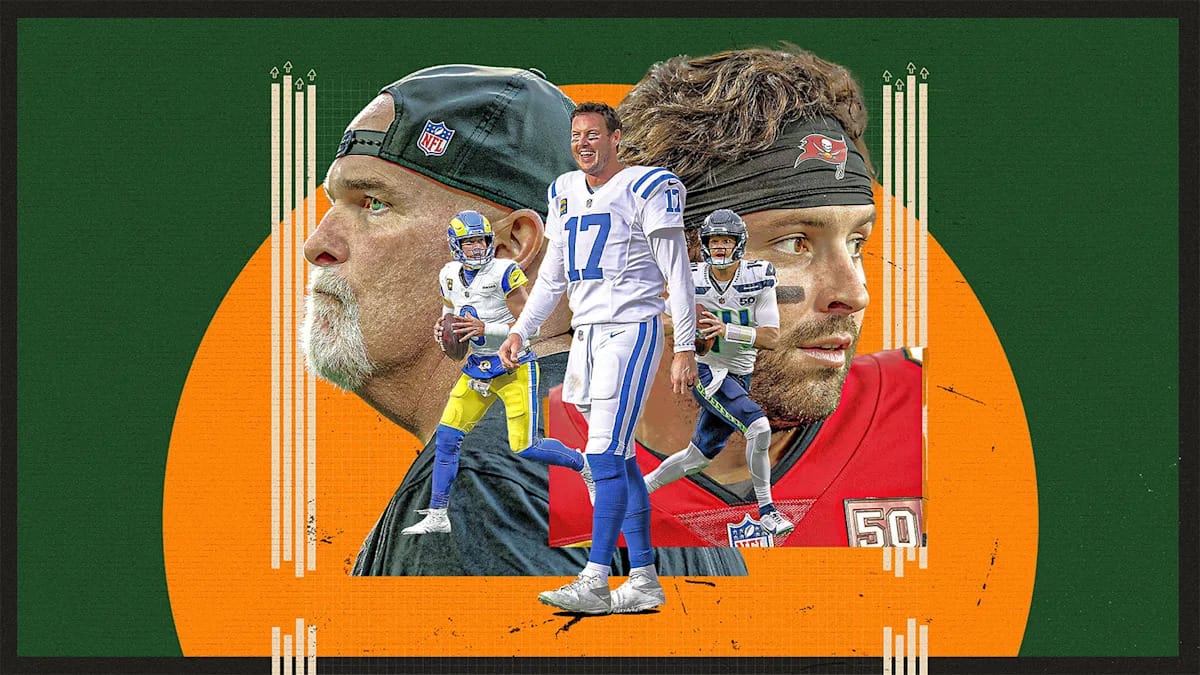
The Anatomy of Desperation: Deconstructing the Rivers Comeback Narrative
Is This Really About Winning, or Just Another Symptom of the NFL’s Obsession with Nostalgia Over Logic?
And so we have reached another inflection point in the NFL’s ongoing identity crisis, a moment where the romantic narrative of the grizzled veteran returning to save the day clashes violently with the cold, hard reality of forensic analysis. Because while the Indianapolis Colts’ front office is busy selling the return of Philip Rivers at age 44 as an act of courageous leadership, a serious examination suggests they are merely delaying the inevitable reckoning with their own systemic failure to identify and cultivate meaningful, sustainable talent. It’s a cheap fix, a short-term band-aid applied to a gaping wound that required actual surgery years ago.
But let’s not pretend this is unique to Indianapolis. The NFL has long since entered its ‘Golden Oldie’ phase, where teams prioritize the diminishing returns of past champions over the arduous process of developing young players. The recent history of the league is littered with examples of teams desperately trying to relive glory days through quarterbacks who are well past their physical peak. And now, at 44, Rivers joins a growing list of athletes who, despite their undeniable ‘moxie’—a quality often used to describe players who are no longer physically capable but still possess the mental fortitude to endure punishment—are being relied upon by organizations that lack the vision or the backbone to commit to a proper rebuild.
What Does ‘Infusing Energy’ Actually Mean When the Arm Strength Isn’t There?
Because the initial reports are full of fluffy language. ‘Infusing energy,’ they say. ‘Capturing the full attention of his teammates.’ This isn’t an analysis of athletic performance; it’s a corporate press release. But what happens when the ‘energy infusion’ wears off after the first three-and-out? What happens when the reality of a 44-year-old body, which cannot recover from a hit in the same way a 24-year-old’s can, sets in? The physical decline of a quarterback is not linear; it’s exponential. The arm strength fades, yes, but more importantly, the speed of thought, the ability to process information at an NFL level under duress, and the physical endurance required for a full season all decline rapidly. Rivers was never fleet of foot, and even in his prime, his arm strength was a matter of debate. Now, we’re being asked to believe that a decade past his best, he’s the solution for a struggling team. The statistics, when we look beyond the ‘moxie’ headline, are unlikely to support this narrative of salvation.
And what does this decision say about the current state of quarterback development in Indianapolis? The Colts’ struggles are well-documented. The team has failed repeatedly to establish long-term stability at the most crucial position on the field. This move signals, in no uncertain terms, that the organization has zero confidence in its existing depth chart. It’s an admission that every decision made regarding the future of the quarterback position since Rivers initially retired was a failure. The signing of Rivers isn’t just about Rivers; it’s about the deep-seated inability of the organization to identify and cultivate talent. It’s about a front office that would rather gamble on a nostalgia trip than face the music and rebuild properly. It’s a sign that the organization is more concerned with short-term ticket sales and PR victories than long-term competitive integrity.
The Broader Implications: The Failure to Develop Young Talent
Is Rivers the Answer to the Colts’ Problem, or Just a Symptom of the League’s?
But let’s zoom out. The input data mentions other teams, like the Buccaneers, needing ‘big changes at QB.’ This isn’t a coincidence. It’s a systemic problem. The obsession with veteran QBs returning, whether it’s Rivers, or even Tom Brady playing into his 40s, is indicative of a league-wide failure to develop the next generation of quarterbacks. Because if young QBs were truly being developed properly, teams wouldn’t be looking backward with such desperation. They wouldn’t be willing to sign a quarterback who has been out of the league for years. The fact that Rivers, at 44, is seen as a viable solution speaks volumes about the quality of talent entering the league and the inability of coaching staffs to transition college players to the professional level. It suggests that the NFL’s current system, from college recruitment to professional development, is broken.
And consider the precedent this sets. By prioritizing a veteran past his prime, the Colts are sending a clear message to their young players: ‘We don’t believe in you.’ This undermines confidence, creates internal strife, and further complicates a locker room dynamic that is already struggling. The ‘infusion of energy’ that Rivers allegedly brings might be a short-term boost, but the long-term morale hit from being replaced by a 44-year-old should not be underestimated. The Colts are essentially signaling that they value familiarity over future potential. It creates an environment where failure is expected from the younger generation, reinforcing the very struggles the organization claims to be addressing. This isn’t a strategy for building a championship team; it’s a desperate plea for relevance.
The Risk/Reward Equation: A Forensic Analysis of Potential Outcomes
Because let’s be realistic about the likely outcomes here. The best-case scenario for Indianapolis is a moderate improvement in consistency. Rivers, with his experience and knowledge of the offense, might reduce turnovers and provide some stability. He might even lead the team to a few more wins than they would have otherwise achieved. But can he lead them to the Super Bowl? Absolutely not. The physical limitations, the risk of injury, and the sheer mental toll of playing at this level for a full season make that outcome highly improbable. The probability of him getting injured early in the season or simply failing to live up to the hype is far higher than the probability of him leading a deep playoff run. The risk involved in relying on a 44-year-old quarterback far outweighs the potential reward, and any logical analysis must conclude that this move is more about PR and nostalgia than about a genuine belief in winning a championship.
And what about the other teams mentioned, like the Bucs? The league is cyclical, and when one team makes a move like this, others often follow suit. The market value for aging quarterbacks increases, and teams are forced into a bidding war for players who are, quite frankly, past their prime. This creates a cycle where mediocrity is rewarded, and long-term planning is punished. The Colts are not just making a decision for themselves; they are influencing the entire league’s perception of value and risk. This decision, in short, is not a sign of genius; it is a symptom of a league-wide sickness where short-term thinking dominates long-term vision.
The Myth of ‘Moxie’ and the Illusion of Leadership
What Happens When the Emotional Spark Fades?
But let’s return to the concept of ‘moxie.’ It’s the kind of word that sounds good on a sports talk show but offers no real insight into performance. Moxie, in this context, is a replacement for actual athletic superiority. It’s the belief that personality can overcome physical decline. Rivers may have leadership qualities, but those qualities are tested most severely in moments of failure. When the team is down by two touchdowns in the fourth quarter, will his ‘moxie’ be enough to rally the troops when his arm can no longer make the necessary throws? Will his presence be enough to motivate a team that is already struggling with internal issues?
Because the answer to these questions is almost certainly no. Leadership in the NFL is a combination of mental strength and physical capability. If a leader cannot perform at a high level, his words quickly lose weight. The Colts are hoping that Rivers’ reputation will carry them through the difficult moments, but reality suggests that a quarterback’s performance dictates the team’s morale more than his words do. This move, therefore, is an illusion. It promises stability but delivers only short-term excitement followed by inevitable disappointment. It sets up Rivers for failure, and it allows the Colts’ management to deflect blame from their own poor decisions onto a veteran who simply cannot perform at the level required for a championship run.
And finally, we must address the financial aspect. The cost of bringing in a veteran quarterback, even one on a short-term deal, diverts resources from other positions. It forces the organization to dedicate capital to a temporary solution, rather than investing in the future. The opportunity cost of signing Rivers, in terms of draft capital, cap space, and organizational focus, is substantial. The Colts are essentially mortgaging their future for a fleeting chance at relevance in the present. This isn’t just bad management; it’s short-sighted, cynical, and ultimately self-destructive.
In short, the narrative of Philip Rivers returning to save the day is a convenient distraction from the underlying issues facing the Colts and, indeed, much of the NFL. It’s a sign of a league that values spectacle over substance, and it’s a move that will likely end in disappointment for everyone involved. The logical deconstructor knows that this isn’t a comeback story; it’s an autopsy in progress.