Pavia’s F-Bomb: The Heisman Voters Got What They Deserved
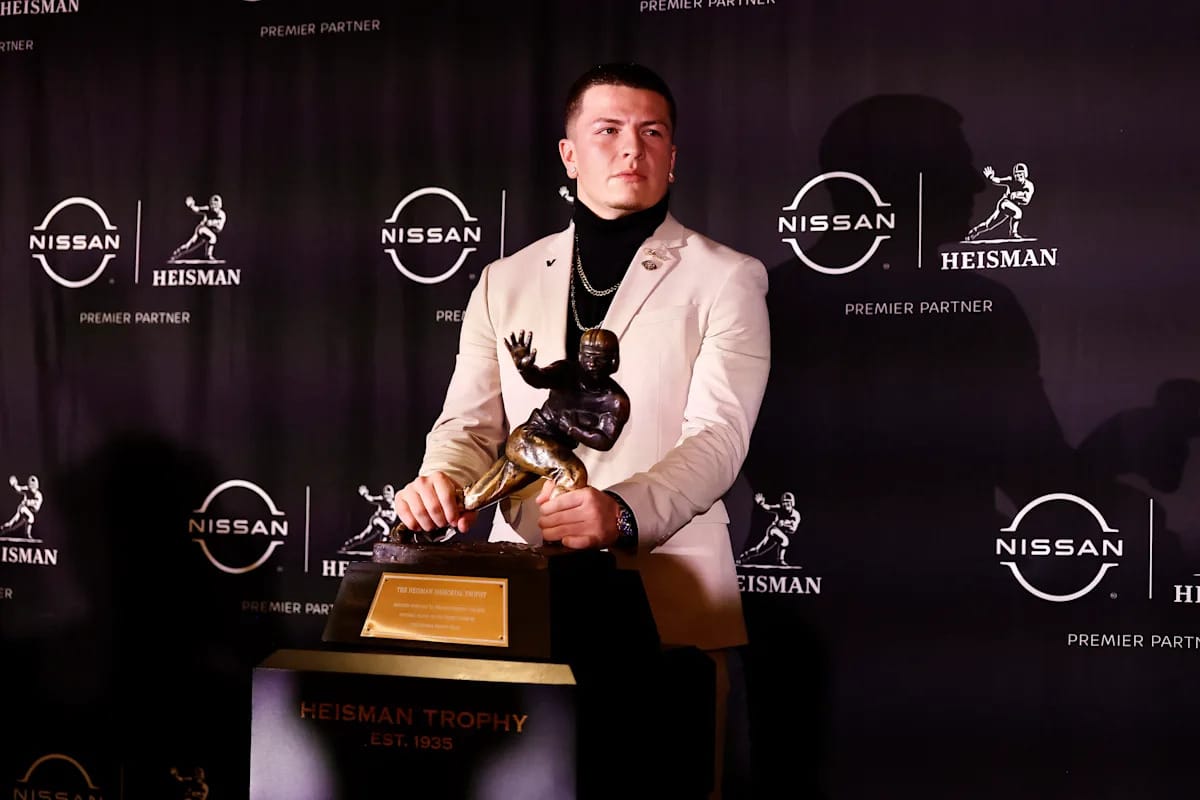
Why did Diego Pavia blow up after losing the Heisman to Fernando Mendoza? Was it just sour grapes, or a glimpse behind the curtain of a rigged system?
Let’s not pull any punches here. When Vanderbilt quarterback Diego Pavia took to social media and dropped an F-bomb on every single Heisman voter, it wasn’t a moment of weakness; it was a moment of absolute, unadulterated truth. But then, in true modern athlete fashion, he immediately walked it back with one of those anemic, carefully worded apologies that reek of PR damage control. The whole thing smells like a cheap car air freshener trying to mask a week-old fish in the trunk, and frankly, we’re not buying it. What happened to the fiery competitor who was willing to say exactly what everyone in college football was thinking? He got a visit from his agent and probably his university’s compliance department, and suddenly, the man who was all bark and no bite became all quiet and no substance.
But let’s dive into the core issue, shall we? Because this isn’t about Pavia being a sore loser. It’s about a system that routinely ignores genuine, gritty performance in favor of carefully crafted narratives, and Pavia just had the guts to call it out. The Heisman Trophy isn’t a meritocracy, folks; it’s a popularity contest judged by a group of media elites who are more concerned with their connections to big programs than they are with actually watching all the games. They’re looking for the next poster boy, the clean-cut kid from the ‘blue blood’ program, and Pavia, with his hard-nosed style and perceived attitude issues, was never going to fit that mold. Fernando Mendoza won not because he was definitively better than Pavia in every metric, but because his narrative—the Cinderella story of the Indiana Hoosiers making a playoff run—was more convenient and marketable for the ESPN industrial complex. Pavia, meanwhile, was left to carry the entire weight of a Vanderbilt program that had no business even being in the discussion, yet he willed them there through sheer force of will, only to be dismissed as an afterthought. You can’t tell me that’s not enough to make anyone, especially a high-strung competitor like Pavia, absolutely furious.
The Anatomy of a Meltdown: Why Apologies are Always Fake
Let’s talk about that apology. Because it’s the most boring part of this whole circus, but it’s crucial to understanding how the sausage is made in modern college sports. Pavia says he’s sorry for being disrespectful. Disrespectful to whom? To the very people who disrespected him first by overlooking his performance? This apology wasn’t for the voters; it was for the NFL scouts and corporate sponsors who look for any sign of ‘character issues’ to justify lowering a draft pick or pulling a lucrative endorsement deal. When you’re a young athlete on the cusp of making millions, every action is scrutinized through the lens of a future contract. And let’s be real, the second he hit send on that original post, his phone probably blew up with messages from agents and handlers telling him to delete it and issue an apology immediately. He had to eat crow, not because he genuinely felt bad, but because he knew he potentially cost himself millions by letting his true feelings show. And that, right there, is the real tragedy of this whole thing: authenticity is penalized, while carefully curated corporate personas are rewarded.
But let’s be real, Pavia isn’t alone. We’ve seen this play out time and time again in sports history. The system loves to build up heroes, but it absolutely revels in tearing down those who dare to step outside the predefined narrative. Think about past Heisman snubs, or players who were penalized for showing too much emotion. The media wants their ‘role models’ to be perfect, robotic figures who never question authority or show vulnerability. Pavia’s outburst, for a brief moment, shattered that illusion, revealing a human being underneath the helmet. He was angry. He was hurt. And he let the world know it. But the machine couldn’t tolerate that kind of realness, so it forced him to backtrack. He had to apologize for being human. The pressure on these young men is insane, and the expectation that they be paragons of virtue while simultaneously performing at the absolute peak of human athletic achievement is completely ridiculous.
The Rigged System: East Coast Bias and Narrative Over Performance
So, let’s look at the numbers. Because if you truly analyze Pavia’s season against Mendoza’s, the argument for Mendoza winning based solely on statistics gets very thin very quickly. Pavia put up incredible numbers in a significantly more difficult conference, leading a program that had no business being competitive. He carried the team on his back, often without the benefit of a strong supporting cast. Mendoza, while impressive, had the benefit of playing in a high-powered, high-exposure offense with a strong supporting cast in a more favorable media market. The Heisman, by design, favors quarterbacks in playoff-contending teams. It’s a trophy for the *most valuable player to the playoff picture,* not necessarily the best individual player in the nation. It’s a subtle but crucial distinction that changes everything. And because Mendoza’s team was in the playoff race, his storyline was amplified exponentially. Pavia’s narrative, meanwhile, was relegated to the smaller screens, where voters barely noticed him unless he did something truly spectacular. And even then, it was just enough to get him invited to New York, but never enough to actually win the trophy. The voters essentially used him for content, bringing him to New York to fill out the finalist spots, but never seriously considering him for the award itself.
This isn’t just about Pavia and Mendoza, either. This is about decades of a media-driven machine that has dictated who gets celebrated and who gets ignored. We’ve seen Heisman winners who were clearly a product of a strong team environment, and we’ve seen snubs of players who put up astonishing individual numbers on lesser teams. The Heisman voters are susceptible to groupthink, where they all gravitate towards the same highly publicized names. When you have a group of voters who all read the same articles, watch the same shows, and listen to the same talking heads, you’re going to get a very homogenous result. Pavia’s outburst wasn’t an attack on Mendoza; it was an attack on the homogeneity and bias of the voting body. He was essentially yelling, ‘You guys didn’t even bother to watch me play! You just looked at the headlines and chose the guy from the big-name school!’ And you know what? He’s probably right. He’s probably 100% right. And for that, he paid the price with his reputation, and possibly with his future earnings potential.
The Ripple Effect: How Pavia’s Reaction Affects His NFL Future
But let’s pivot to the really interesting part: what does this do to Pavia’s NFL future? Because in the world of professional sports scouting, character issues are a huge red flag. The NFL isn’t just buying a quarterback; they’re buying a CEO for their locker room, and they want someone who can handle adversity with poise and maturity. Pavia’s outburst, even with the subsequent apology, will now live forever in his scouting report. The initial reaction, the raw emotion, the F-bomb—that’s what scouts will remember. They will bring this up during interviews at the NFL Combine. They will ask him about his ability to handle pressure, about his maturity, and about his leadership potential. They will question whether he’s a potential locker room cancer, someone who will blame others when things go wrong instead of looking inward. And that, right there, is where Pavia may have truly lost. He might have cost himself a round or two in the draft, which translates to millions of dollars. The apology was a desperate attempt to mitigate the damage, but once you let the genie out of the bottle, it’s very hard to put it back in. The NFL is a business of calculated risks, and Pavia’s outburst just made him a much riskier investment for teams looking for a franchise quarterback. They’ll probably say, ‘He’s got the talent, but does he have the mental makeup to handle the adversity of the league?’ And that question alone can be enough to sideline a promising career. He essentially became a cautionary tale overnight, a symbol of what happens when you let your emotions get the better of you in the public eye. But maybe, just maybe, he also inspired a new generation of players to question the system, and that’s a legacy worth more than a Heisman trophy.