The Brutal Truth: A Parking Spot, A Life Extinguished
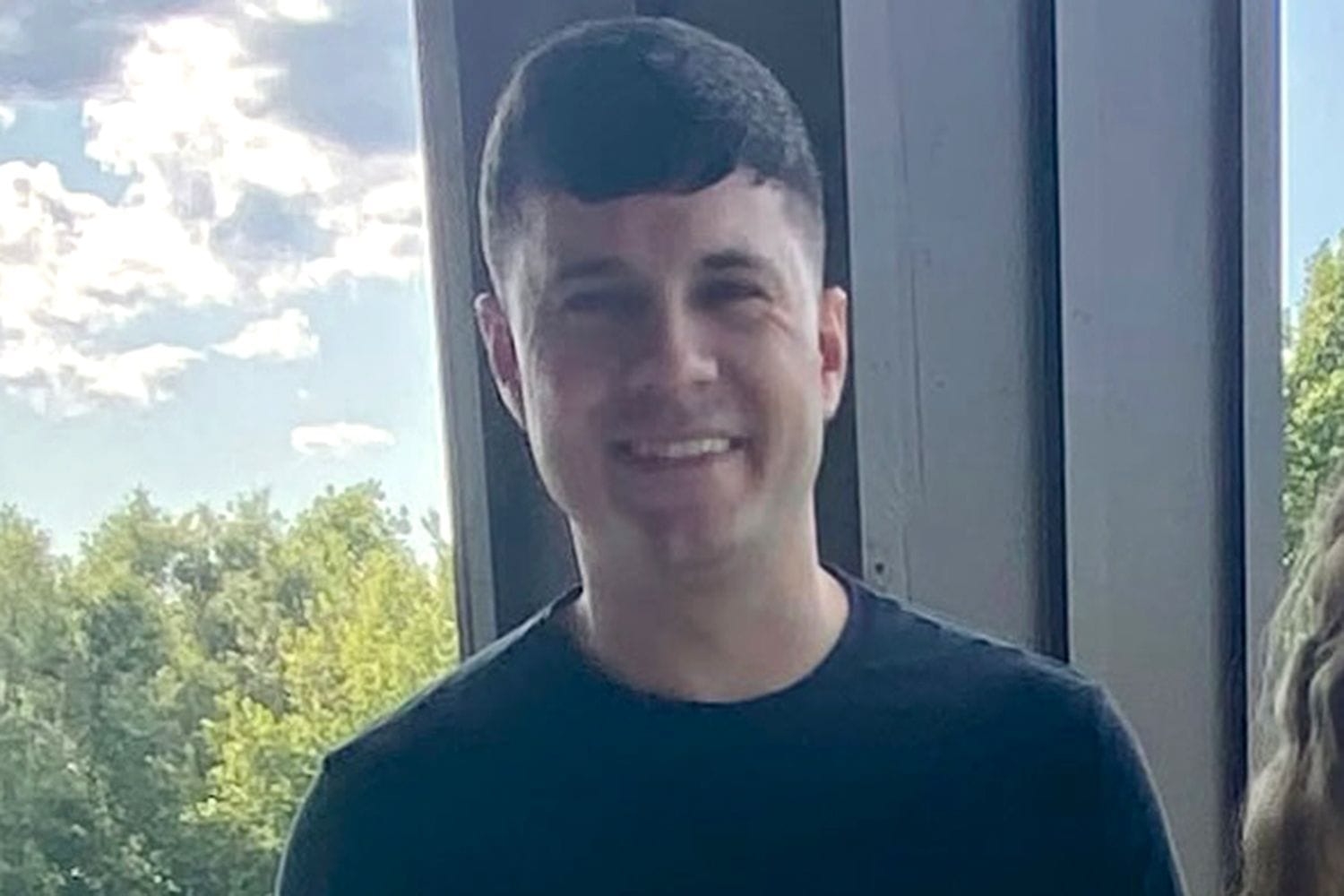
And so, it happened again. Another headline, another senseless act, another human life extinguished over something so utterly, epically trivial it almost defies belief. Matthew Traywick, a father of three, is dead. But not from some grand geopolitical conflict or a desperate act of self-preservation. Nope. He was shot in a Target parking lot, allegedly over a damn parking spot. Just ponder that for a moment. A parking spot. It’s a gut punch, isn’t it? Because this isn’t just a local news story out of Savannah, Georgia; this is a flashing, neon sign screaming about the cancerous decay eating away at the very fabric of our supposed civilization.
But let’s be crystal clear: this isn’t about parking. Not really. This incident, like so many others that pepper our news feeds daily, is a microcosm, a brutal snapshot of a society teetering on the brink of losing its collective marbles. And yet, we scroll past, muttering about ‘crazy people’ or ‘gun control,’ rarely digging into the actual rot beneath the surface. That’s a mistake, a dangerous one.
The Absurdity of the Trigger: Deconstructing the Trivial
Because how did a dispute over a piece of painted asphalt escalate to a fatal shooting? It’s mind-boggling, right? One person perceived a slight, a minor inconvenience, and another man lost his life. But this isn’t an isolated anomaly; it’s a pattern, a disturbing trend where the most insignificant provocations become powder kegs. Road rage, queue jumping, a dirty look – suddenly, these are valid pretexts for extreme violence. And we have to ask ourselves, what the hell has happened to us? What makes someone decide that their momentary frustration is worth destroying another family?
And yes, the presence of a firearm makes escalation easier, undeniably. But the gun is just the tool. The real issue, the truly terrifying one, is the mindset that deems violence, lethal violence, an acceptable or even necessary response to being mildly put out. It’s a fundamental breakdown of social contract, a twisted calculus where ego trumps human life. It’s pathetic.
The Entitlement Epidemic: My Spot, My Right, My Rage
But let’s talk about entitlement, shall we? Because that’s a massive piece of this ugly puzzle. We live in an era where instant gratification is the default, where patience is a forgotten virtue, and where the slightest perceived infringement on ‘my rights’ or ‘my space’ can send someone absolutely blowing a gasket. This isn’t just about millennials or Gen Z; this is a pervasive cultural sickness infecting everyone. Every single one of us.
And when someone believes the world owes them seamless convenience, a perfect parking spot, or deference at every turn, any deviation from that expectation becomes an affront. A personal attack, even. But this isn’t just being annoyed; it’s a warped sense of self-importance that justifies aggression, even murder, when their petty desires are thwarted. It’s narcissism gone ballistic. And frankly, it’s sickening to witness.
The Erosion of Civility: From Disagreement to Deadly Confrontation
Because where did the art of de-escalation go? The ability to just walk away, shrug off a minor annoyance, or even, God forbid, have a civil discussion? It seems to have vanished, replaced by an itchy trigger finger and a hair-trigger temper. And this isn’t just about parking lots; it’s about online interactions, political discourse, even family arguments. The tolerance for differing opinions, for minor irritations, for simply being human and making mistakes – it’s plummeted off a cliff.
And this erosion isn’t sudden; it’s been a slow, insidious creep. Decades of increasing social isolation, digital echo chambers, and a constant barrage of outrage-inducing media have conditioned us to be less tolerant, more reactive, and incredibly quick to judge and condemn. But it’s not just external factors; it’s an internal rot. We’ve forgotten how to simply coexist, how to let things go. And that’s a damn tragedy.
The Public Space as a Battleground: Where We Shop, Where We Die
But Target, for crying out loud. A retail store. A place where families go to buy groceries, toys, household goods. It’s supposed to be a neutral, even comforting, space. A sanctuary of consumerism. And yet, these very places are increasingly becoming backdrops for heinous acts of violence. It chips away at our sense of safety, doesn’t it? Because if you can’t even go to Target without risking your life over a parking spot, where the hell are you safe?
And this isn’t just about the physical danger; it’s about the psychological impact. The constant low-level hum of anxiety when you’re out in public, the subconscious scanning for threats, the erosion of trust in strangers. Because the public square, whether it’s a park or a parking lot, is meant to be a place of shared experience, not a gladiatorial arena for ego-driven feuds. But that seems to be the direction we’re heading, one parking spot murder at a time. It’s truly dystopian.
The Historical Echoes: A New Kind of Rage, or Just Amplified?
But is this truly a new phenomenon, this explosive rage over peanuts? Or is it simply being amplified by our hyper-connected, media-saturated world? Road rage, for instance, isn’t new. People have been getting into fisticuffs over perceived slights for centuries. However, the lethality, the immediate resort to pulling the trigger, that feels different, doesn’t it? Because the stakes have demonstrably been raised.
And in generations past, there might have been societal pressures, community bonds, or even just a general understanding of consequences that tempered such outbursts. But now? Those anchors seem to be eroding. There’s a palpable sense of atomization, where individuals feel disconnected from the larger collective, leading to a profound disregard for the lives of others. It’s like we’re all operating in our own little bubbles, and any contact, however slight, becomes a collision. A very dangerous collision. And we’re all paying the price.
The Matthew Traywick Effect: The Ripple of Ruin
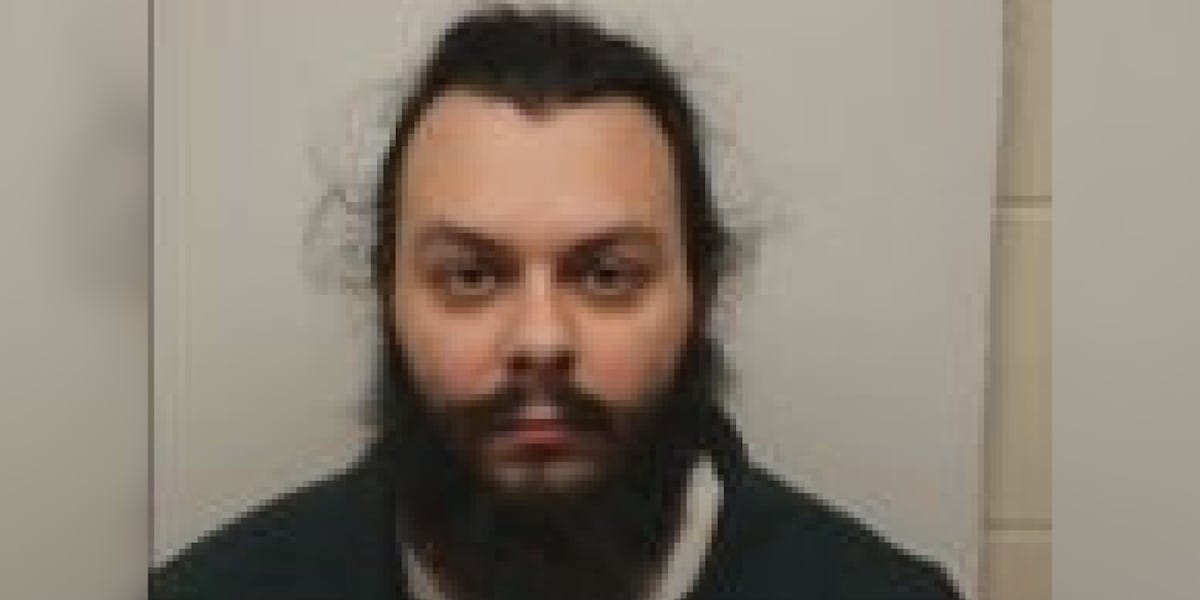
Because beyond the immediate tragedy of Matthew Traywick’s death, there’s the devastating ripple effect. Three children without a father. A spouse without a partner. A community shaken. The suspect, Tyler Linn, now faces murder charges, his life irrevocably altered. All because of a parking spot. And the sheer, unadulterated waste of it all is infuriating. It truly is.
And it forces us to confront uncomfortable truths: that human life, in moments of unbridled rage, is valued less than a trivial convenience. That the casual presence of lethal force amplifies the most pathetic of human failings into permanent tragedy. But this isn’t about shying away from that truth; it’s about staring it down, unflinchingly. Because only then can we even begin to unpack the mess we’ve created.
Future Implications: A Bleak Horizon?
But what does this portend for the future, for crying out loud? More of the same, most likely, unless something fundamentally shifts in our collective psyche. We’ll see more calls for security guards in parking lots, more surveillance cameras, more metal detectors at store entrances. And all these measures, while perhaps necessary, are just band-aids on a gaping wound. They address the symptoms, never the disease itself.
And the disease, friends, is a pervasive lack of empathy, a frighteningly short fuse, and an almost pathological inability to manage basic frustration without resorting to ultimate solutions. Because until we collectively decide that human life, any human life, is worth more than a parking spot, a perceived slight, or a moment of inconvenience, these headlines will keep coming. They’ll be a dime a dozen. And we’ll keep scrolling. And that, right there, is the most damning indictment of all. Because we deserve better than this. Much, much better. But do we actually want it enough to change?