The Official Lie: Mondelez Cares About Your New Year’s Resolution
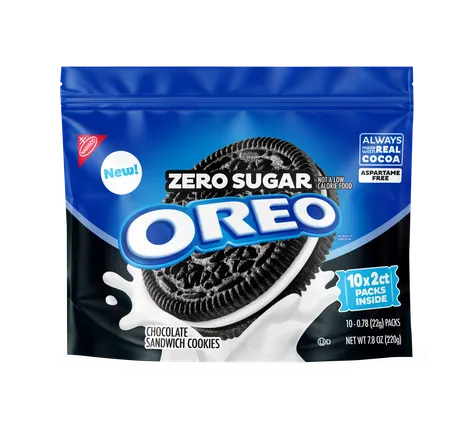
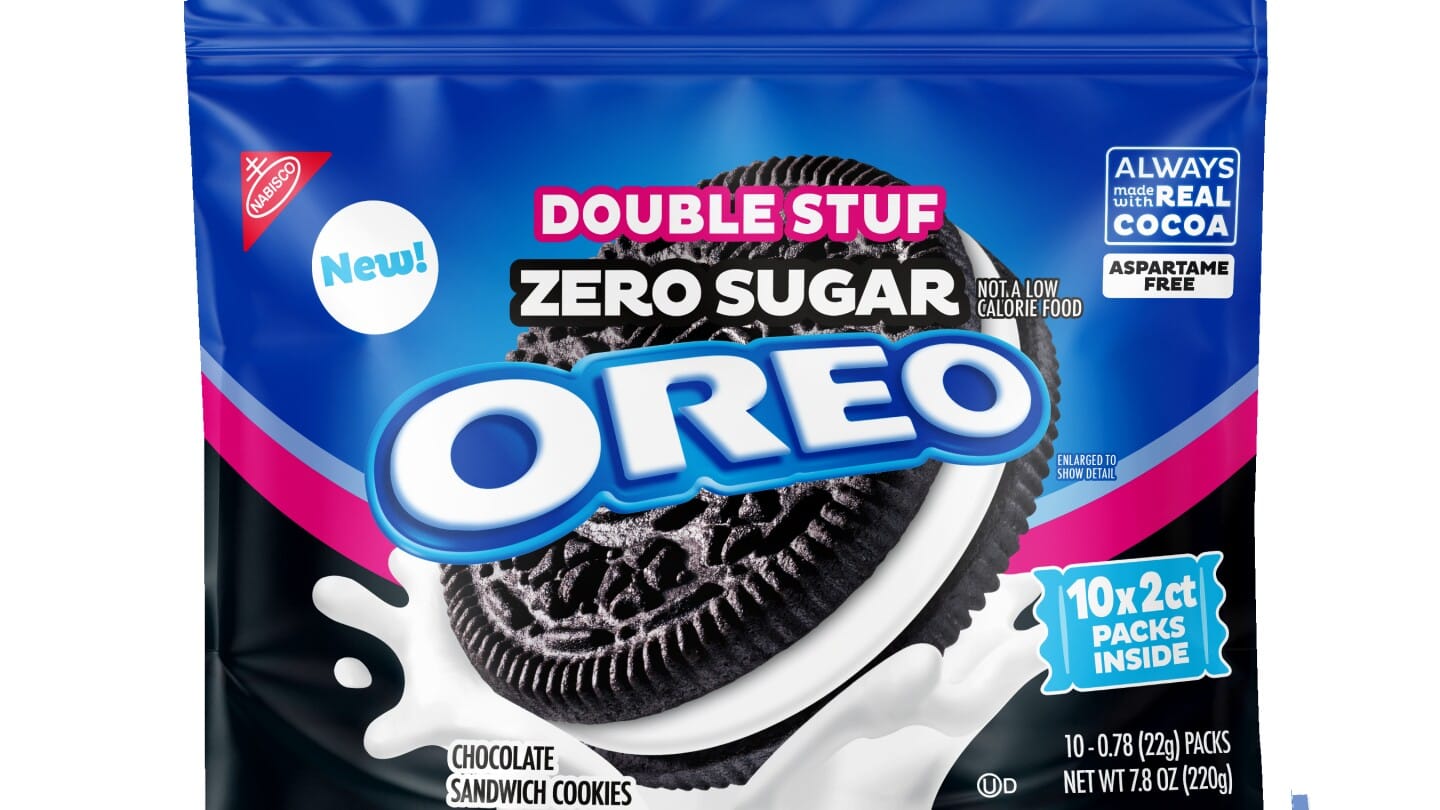
Ah, the classic corporate pivot. Every few years, a legacy brand, one built on the very premise of sugary indulgence and childhood nostalgia, decides to rebrand itself as a wellness advocate. The newest champion of this cynical maneuver? Oreo. The venerable cookie brand, whose identity is inextricably linked to high-fructose corn syrup and processed white flour, is now offering a “zero sugar” option, set to hit US shelves in 2026.
The messaging, meticulously crafted by Mondelēz International, is predictable: this move is about appealing to “health-conscious consumers” and filling a void in the “better-for-you” snacking space. We are told this is a response to changing consumer demands, a benevolent act of corporate empathy for those seeking to moderate their sugar intake without sacrificing taste. The press releases paint a picture of innovation, of a brand bravely adapting to a new era where wellness trumps indulgence. It’s a beautifully polished lie, designed to make you believe that a company built on selling pure sucrose now has your best interests at heart. (A belief, frankly, that requires a level of naivety that borders on self-delusion.)
The Truth: It’s a Purely Financial Hedging Strategy Against Inevitable Regulation
Let’s strip away the corporate varnish and look at the actual mechanics behind this decision. The introduction of Oreo Zero Sugar isn’t a gesture of goodwill; it’s a calculated, defensive business maneuver to ensure future profitability in a market that is increasingly hostile to sugar. Mondelēz isn’t leading; it’s playing catch-up. This isn’t innovation; it’s risk mitigation.
The Sugar Crisis and Regulatory Pressure
The truth is, traditional sugar is becoming a liability, both economically and regulatorily. Governments around the world—especially in Europe and increasingly in certain US states—are implementing or contemplating sugar taxes, restrictions on advertising highly processed foods to children, and mandatory front-of-pack warning labels. The cost of doing business with sugar as the primary ingredient is rising, not just in terms of raw material cost, but in terms of legal risk and brand reputation. Mondelēz sees the writing on the wall: a future where the current version of the Oreo faces significant headwinds, potentially leading to lower sales volumes or forced price hikes due to taxation.
By introducing a “zero sugar” option, Mondelēz creates a safety net. If regulations tighten, they have an established alternative product line ready to capture a new audience. They are not innovating for your health; they are diversifying their portfolio against a regulatory storm. It’s the same cold calculation that led soda companies to introduce Diet Coke in 1982—not because they suddenly cared about obesity, but because they saw the emerging threat from public health campaigns and needed a new revenue stream. This is merely history repeating itself, dressed up in 21st-century health language. The only thing they are truly disrupting is the profit margin of smaller, genuinely health-conscious snack companies.
The Ingredients: A Swap of Cheap Chemicals for Cheap Chemicals
Now, let’s talk about what’s *in* this new product. When a company removes sugar, what do they replace it with? Invariably, it’s a cocktail of alternative sweeteners like erythritol, allulose, or monk fruit extract. The claim that these alternatives are inherently healthier is deeply flawed and often misleading. While they may not contain the calories of traditional sugar, they come with their own set of potential issues, many of which are still being researched and debated within the scientific community.
Erythritol, a sugar alcohol often used in “zero sugar” products, has recently faced intense scrutiny regarding potential links to cardiovascular events (specifically, blood clots and heart attacks) in some studies. While the data remains complex and requires further investigation (and industry-funded research often downplays these risks), the mere existence of this controversy undermines the benevolent narrative. Mondelēz knows this. They are betting that the public’s immediate aversion to sugar will outweigh any concerns about the alternatives they are using. They are simply trading one potential health hazard for another, one that is less regulated at the moment, allowing them to maintain profitability and avoid regulatory oversight for a few more years.
Furthermore, these artificial sweeteners often create a phenomenon known as the “health halo effect.” Consumers believe that because a product is labeled “zero sugar,” they can eat more of it without guilt. A person might eat a single regular Oreo but feel justified in eating an entire sleeve of the Zero Sugar version, thinking they are making a healthier choice. The result? Increased consumption of processed foods, even if the specific ingredient has changed. The company wins either way: more sales, regardless of whether you end up healthier or just fatter on alternative sweeteners. The fundamental issue—the highly processed nature of the food itself—is completely ignored in favor of a superficial change in a single ingredient. It’s like putting a new coat of paint on a crumbling foundation.
The Forensic Market Analysis: Why Now?
Consumer Behavior and ‘Better-For-You’ Fatigue
The timing of the 2026 launch is strategic. Mondelēz is positioning itself for a moment when consumers have reached peak fatigue with truly healthy options. People try keto, they try low-carb, they try intermittent fasting, and eventually, many return to seeking comfort foods, albeit with a slightly lower guilt factor. The “better-for-you” space has been dominated by smaller, artisanal brands (which Mondelēz is now acquiring or competing directly against). By leveraging the immense power of the Oreo brand, Mondelēz can instantly capture market share in this category, squeezing out the competition and normalizing the idea that processed junk food can be healthy simply by changing the label.
This move also allows Mondelēz to co-opt the language of diet trends. They are offering a product that fits squarely into the low-carb and low-sugar movements, even though the cookie itself remains high in saturated fats and refined flours. It’s an easy-to-digest compromise for consumers who want to participate in a wellness culture without actually changing their habits. The company understands that the public wants permission to indulge, and they are happy to provide it by slapping a “zero sugar” label on their product.
The Broader Implication: The End of Authentic Snacking
This isn’t just about Oreos; it’s about the erosion of brand integrity across the entire food industry. When a brand like Oreo, which represents pure indulgence and nostalgia, attempts to simultaneously claim a place in the health food aisle, it confuses the consumer and muddies the waters for genuinely healthy products. It’s an act of cultural vandalism, destroying the very thing that made the brand special in the first place—its unapologetic, delicious unhealthiness—in favor of market expediency. The new “Zero Sugar” version will be a pale imitation of the original, but consumers will buy it because they are desperate for an easy fix. They will be buying a memory of a cookie, not the experience itself.
So, when you see those advertisements for Oreo Zero Sugar, don’t fall for the hype. Don’t believe the rhetoric about innovation and health consciousness. This isn’t a gift to dieters; it’s a financial calculation by a multinational corporation bracing for a future where traditional sugar is simply too expensive and risky to rely on. It’s a move designed not to make you healthier, but to keep Mondelēz profitable, no matter what happens to public health.