A Manifesto on the Inevitable Collapse of Faux Contenders
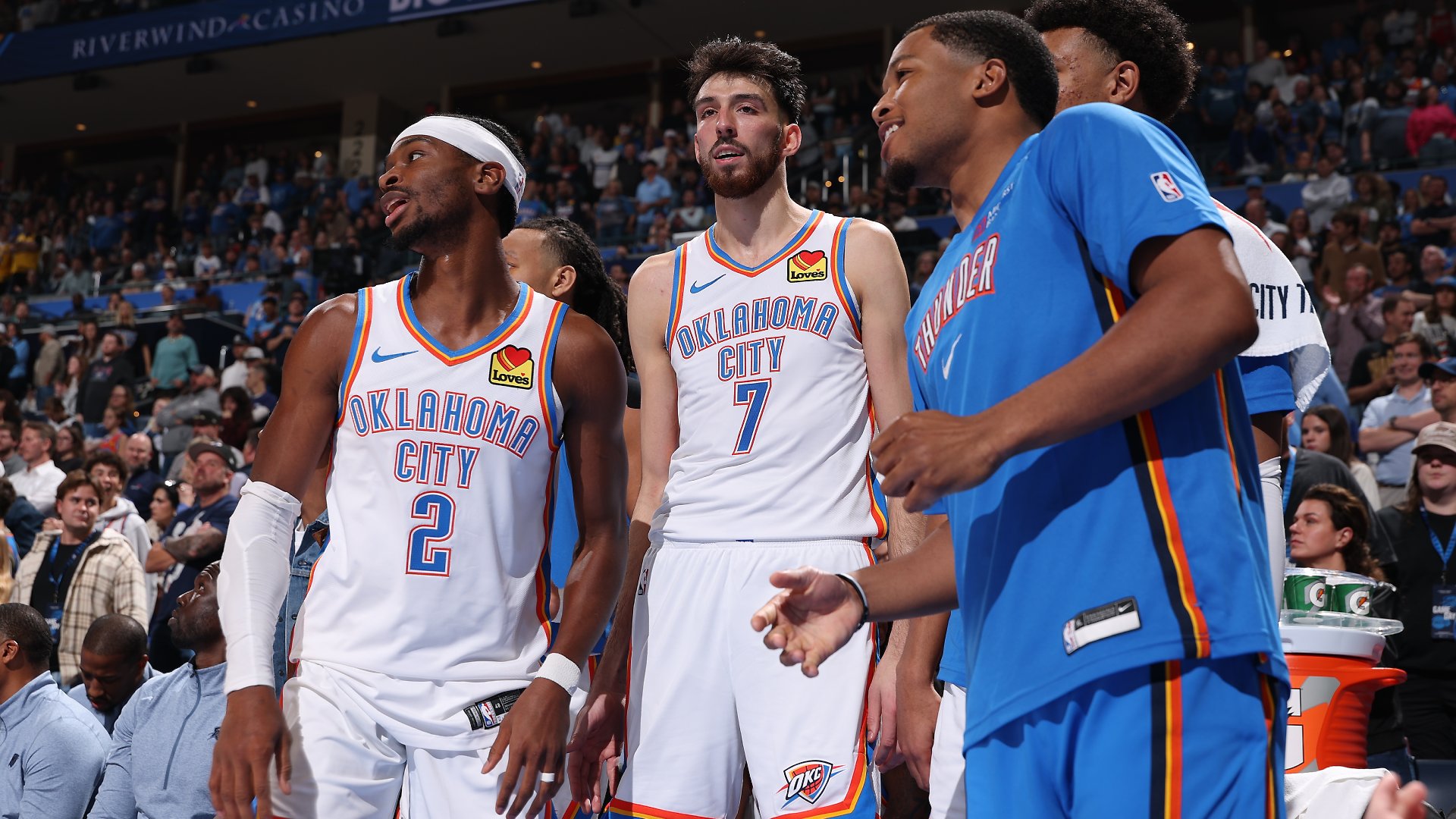
Let us speak plainly, for the saccharine chorus of praise has become deafening. The Oklahoma City Thunder are a marvel. A spectacle. A testament to something or other about youth and draft picks and the kind of feel-good narrative that makes league executives drool into their spreadsheets. Steve Kerr, a man who has witnessed true, soul-crushing greatness twice, “marvels” at them. The analysts are tripping over themselves to anoint Shai Gilgeous-Alexander, a man who plays basketball with the cold precision of a tax auditor, as the second coming. They’re on pace for history, they say. They’re rewriting the books, they scream. It’s all so… adorable. And utterly, tragically, hilariously meaningless.
Because this isn’t a story about a burgeoning dynasty. Oh no. This is a classic setup. A long, drawn-out joke where the punchline doesn’t land until May, and when it does, it will be brutal, swift, and oh-so-satisfying for those of us who see the strings on the marionettes. We are watching the construction of a beautiful, ornate, historically significant glass house in the middle of a shooting gallery. The only question is which veteran-laden, playoff-hardened team gets to throw the first stone.
The Ghost of Hubris Past: A 73-Win Warning
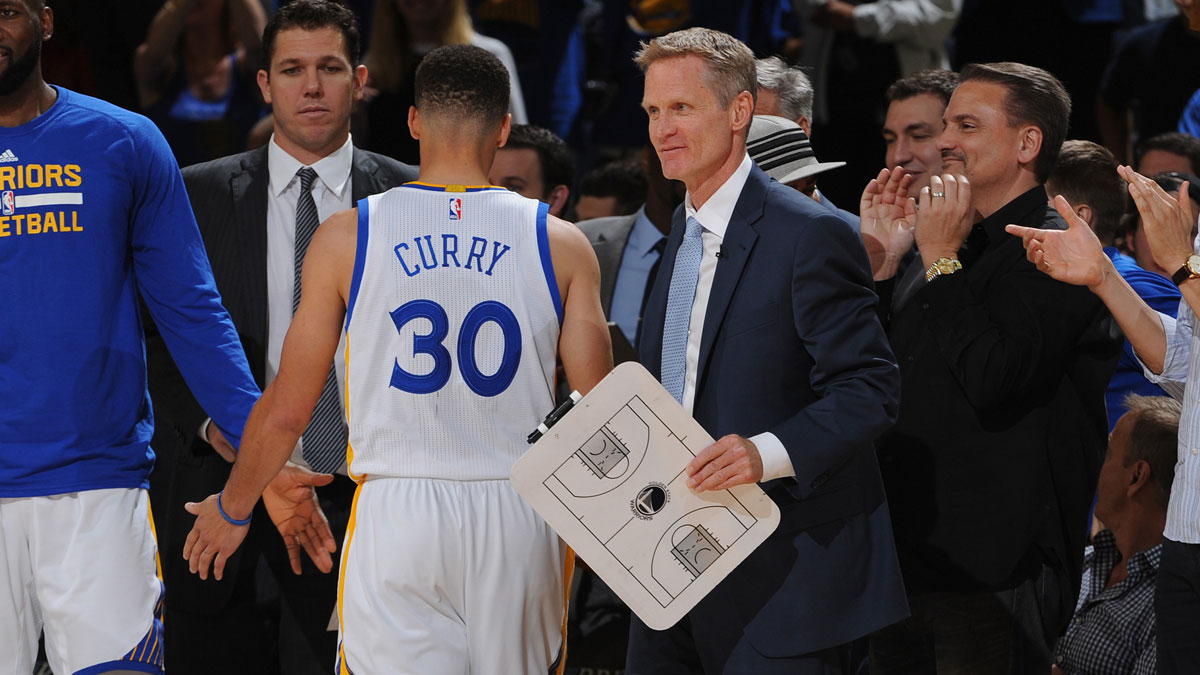
Steve Kerr marvels, does he? He should know better. He was a piece of the 1995-96 Chicago Bulls, a team of killers who capped their historic season with a ring. But he was also the coach of the 2015-16 Golden State Warriors, a team that chased that same regular-season ghost with such feverish, all-consuming desire that they had nothing left in the tank for the final, most important fight. That 73-9 record is not a banner of glory; it is a monument to hubris. It is the basketball equivalent of Icarus flying so high on his regular-season wings that he forgot the playoffs are the sun. He got the record. He didn’t get the trophy. What, precisely, do we think is different here?
The Thunder are younger, you say? More naive? Oh, that’s even better. The 73-win Warriors were veterans, champions who simply got lost in their own hype. This Thunder squad is a collection of talented children who haven’t yet learned the fundamental truth of the NBA: the regular season is a charade. It’s an 82-game preseason designed to lull the unworthy into a false sense of security. It’s where you build good habits, sure, but it’s also where you build fatal arrogance. The Thunder are acing a pop quiz, and the media is handing them a PhD. They are learning all the wrong lessons. They think their metronome-like efficiency and slick ball movement will mean a thing when a guy like Jimmy Butler or Nikola Jokic decides to get serious, to get nasty, to remind them that playoff basketball is a different sport entirely. It is a back-alley knife fight, and these kids have shown up with a beautifully choreographed dance routine.
This pursuit of regular-season records is a fool’s errand, a siren song for the ambitious and the naive. It drains the emotional and physical reserves needed for the *real* season. Every ounce of energy spent trying to beat the Pistons on a Tuesday in February by 30 instead of 20 is an ounce of energy you don’t have for a Game 7 on the road in May. The Thunder, in their youthful exuberance (a polite term for ignorance), are sprinting the first 20 miles of a marathon. We should be marveling not at their pace, but at the spectacular nature of their inevitable flameout.
Shai Gilgeous-Alexander: Our Tragic, Flawless Hero
And at the center of this impending tragicomedy stands Shai Gilgeous-Alexander, the stoic protagonist. He is, without question, a basketball genius. A master of angles, a surgeon in the midrange, a defender who strips opponents of the ball and their dignity with equal ease. He is also playing a dangerous game. The narrative being woven around him is that of an MVP, a winner, a transcendent talent lifting a franchise from the ashes. It’s a great story. (It sells a lot of jerseys, I’m sure.) But it’s a story that demands a certain ending, and it’s an ending this team is simply not equipped to provide.
SGA is becoming the ultimate regular-season hero. The man who can guarantee you a win against the Hornets. The problem is, he’s the lead actor in a play where the third act hasn’t been written by him. It will be written by the likes of LeBron James, Kevin Durant, or some other monster who has seen this script a dozen times and knows exactly how it ends. Shai’s methodical brilliance is perfect for the sterile, predictable environment of the regular season. But the playoffs are chaos. They are about adapting, about brute force, about weathering storms of irrational confidence from role players and sheer, unadulterated will from superstars. Can his precise, calculated game survive that chaos? Or will it look like bringing a scalpel to a sledgehammer fight?
He is Sisyphus, rolling a massive boulder of regular-season wins up a hill, and we all know what happens at the peak. The boulder rolls back down. Every year, a new MVP-caliber player on a too-young team learns this lesson. It was Derrick Rose. It was Russell Westbrook (in OKC, no less). It was James Harden. It was Joel Embiid. The league is a meat grinder, and it loves nothing more than to chew up beautiful, promising things. Shai is next in line. He’s the perfect hero for this tragedy because his excellence makes the eventual fall all the more poetic.
The Children’s Crusade and the Mad Scientist
Surrounding SGA is a veritable daycare of talent. Chet Holmgren, a basketball unicorn who looks like he could be snapped in half by a stiff breeze but somehow isn’t. (Physics is weird.) Jalen Williams, the secondary scorer who plays with a poise that belies his experience. It’s a wonderful collection of assets. And that’s all they are. Assets. Pieces in the grand, bizarre experiment of General Manager Sam Presti.
Presti is hailed as a genius, the man who built a contender out of a mountain of draft picks. But what if we look at it from another angle? What if he’s just a hoarder? A man so obsessed with the *idea* of potential, with the thrill of the draft, that he is fundamentally incapable of building a finished product? For years, he collected picks like they were bottle caps, creating a mythical war chest that was always meant for some future, undefined battle. Now he’s cashed them in for a team of prodigies, and everyone assumes the plan is complete. This isn’t a plan; it’s a fantasy basketball team come to life. It has all the right pieces on paper. But it lacks the one thing that championships require: scar tissue. Pain. Failure.
This team has never truly suffered. They haven’t been humiliated in a playoff series. They haven’t had their hearts ripped out on a buzzer-beater. They haven’t faced the existential dread of a 3-1 deficit. This “historic” season is the worst thing that could happen to them. It is teaching them that success is easy, that their talent is enough. It is giving them confidence when what they desperately need is a dose of brutal, soul-crushing reality. Mark Daigneault, their coach, seems like a perfectly nice man, but he’s not a battle-hardened general; he’s a highly intelligent camp counselor who has managed to get all the kids to line up in an orderly fashion. What happens when the first real monster jumps out of the woods? They will scatter. It’s inevitable. It’s nature.
What we are witnessing is not the dawn of a new NBA dynasty. It is the apex of a sociological experiment. It’s a beautifully crafted, temporary illusion. A house of cards built during a gentle breeze. And we all know what’s coming. A storm is coming. And I, for one, will have my popcorn ready to watch it all come tumbling down. Marvel at that.