The Great Portal Exodus: Dixon’s Departure as a Harbinger
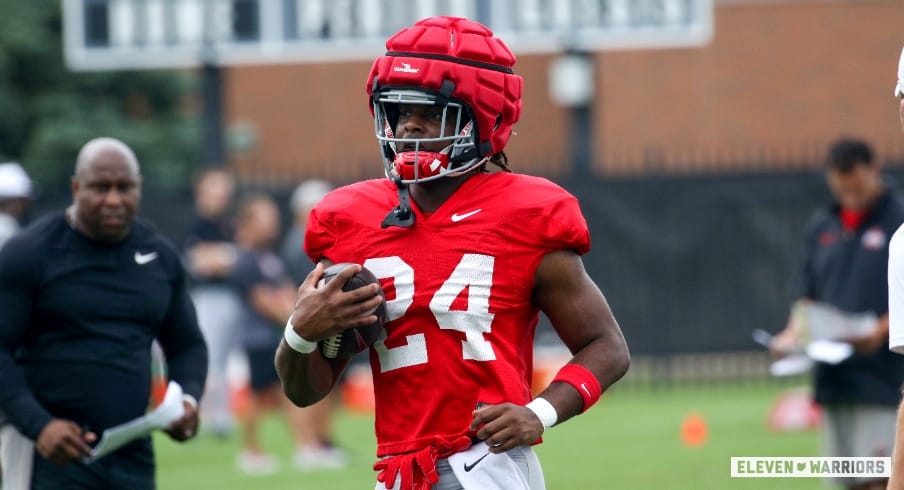
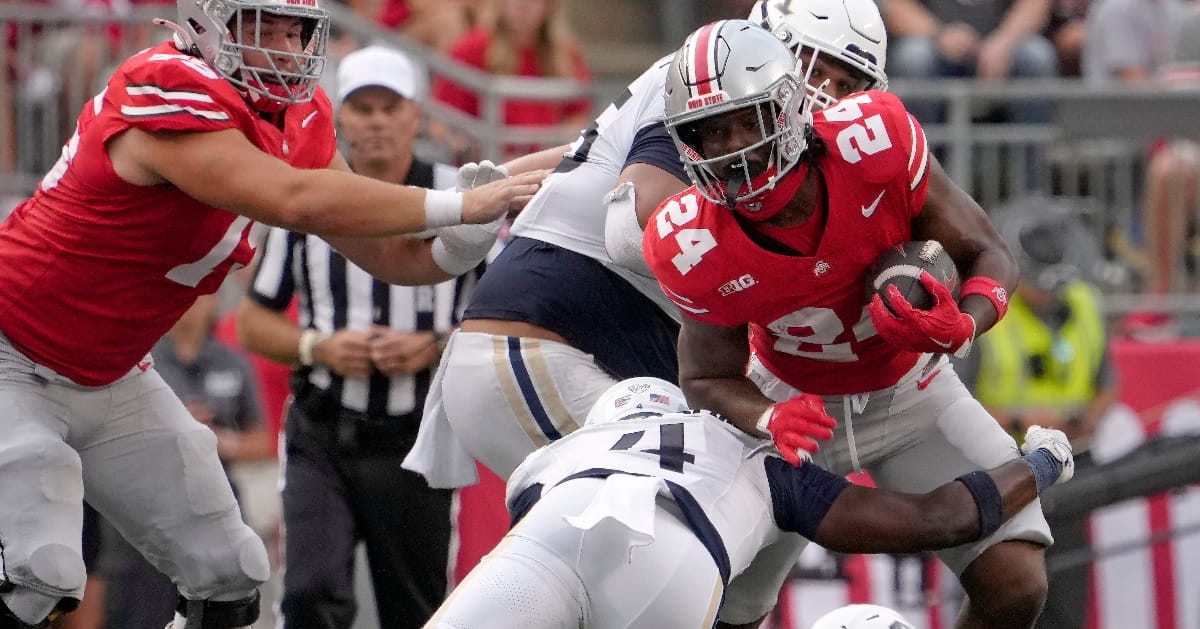
Let’s just call this what it is: another embarrassing fumble by Ohio State’s supposed dominance in the NIL/Transfer era. Sam Dixon, a running back who couldn’t crack the top tier in Columbus, is now packing his bags and heading south to South Carolina. Ninth time this cycle, they said? (Ninth time they’ve looked utterly disorganized, more like.) It’s becoming a recurring nightmare for Ryan Day’s staff; they are clearly losing the locker room battle, or maybe, just maybe, they aren’t telling recruits and current players the whole story when the camera is off.
The Ohio State Rot: More Than Just Roster Management
This isn’t about Sam Dixon being an elite player (let’s be real, if he were, he’d be starting, or at least getting meaningful snaps against quality competition). This is about the *optics*. When talented players decide the grass is greener elsewhere—even if ‘elsewhere’ means a program still finding its footing in the SEC East—it screams internal dissatisfaction. (You can paint it as ‘seeking opportunity,’ but opportunity knocks loudest in the starting lineup, doesn’t it?)
What are we seeing here? A systemic failure to retain assets? Or are the kids just realizing that being ‘the next big thing’ in Columbus means waiting two years behind three five-star guys who will inevitably declare early? That kind of bottleneck breeds frustration, and frustration equals movement. The narrative that Ohio State is some impenetrable fortress where everyone happily waits their turn? Dust it. It’s pure PR fluff now.
Think about the timeline. Dixon was buried deep. Three years of eligibility left—a solid chunk of real estate for a young athlete. He looks at the depth chart, sees the next wave of recruits already rated higher than he is coming in next fall, and thinks, ‘Why am I grinding through these brutal winter conditioning sessions just to be RB4 on a scoreboard that’s already decided by the third quarter?’ He pulled the eject button. Smart move for him, terrible optics for the Buckeyes.
South Carolina: The Portal Snatchers
Shane Beamer and the Gamecocks, bless their cotton socks, are playing portal chess while some coaches are still playing checkers. They aren’t picky; they are opportunistic feeders. They’re scavenging talent from the established powerhouses who got too arrogant or too bogged down in their own hierarchy. South Carolina gets a running back with SEC experience (even if it was only practice reps against OSU’s first team), three years to mature, and a huge chip on his shoulder. That chip? That’s gold dust for a program trying to claw its way into the top tier of the SEC. He will be motivated to prove every single recruiter who passed him over wrong. (And trust me, he’ll use that bulletin board material until it dissolves.)
This transfer isn’t just adding depth; it’s adding *attitude*. It tells the existing roster: ‘We are going to scrape up talent from places that undervalued it.’ That galvanizes a program looking to upset the status quo. For Gamecock fans, this is Christmas in July, provided Dixon can actually stay healthy and produce when the lights are brightest. (Which, frankly, remains the big question mark hanging over every portal pickup.)
The Ripple Effect: Future Recruiting Nightmares
Now watch the ensuing fallout. The whispers start amongst the high school juniors who are already verbally committed to Ohio State. They see this exodus, not just Dixon, but others eventually. They start asking their handlers, ‘If I’m not a Day One starter, am I just going to ride the bench until I get frustrated and bolt for the ACC or SEC?’ The sheen dims. The ‘Ohio State Experience’ starts sounding less like a golden ticket and more like a high-stakes waiting game where you might lose your leverage.
Recruiting high school talent is built on selling the dream of immediate impact and guaranteed development. When you start hemorrhaging talent that already bought into the system, you undermine that sales pitch. Every transfer is a tiny little crack in the foundation, and cracks multiply when exposed to pressure (i.e., a rivalry loss to Michigan).
We need to look deeper than just the roster spot. Who else is unhappy? Who is whispering about an exit strategy? Portal movement is like an abscess; you keep draining it, but if the root infection isn’t treated, it keeps coming back, uglier each time. (And right now, the infection seems to be complacency wrapped in five-star expectations.)
Where Does Dixon Actually Fit? Playing Time Mathematics
Dixon lands in Columbia needing to immediately jump ahead of established veterans or highly-touted newcomers. South Carolina isn’t exactly a barren wasteland at RB, either. They have investments there. So, is Dixon guaranteed the ball? No. But he is guaranteed a *chance* to earn it in a system that values immediate production over loyalty to the depth chart hierarchy built up over previous seasons. That’s the key difference. In Columbus, you pay dues. In Columbia, you prove value, now.
If Dixon thrives, it validates the entire philosophy of picking up disgruntled SEC-adjacent talent. If he struggles and ends up as the third-string back again, then it’s just another swing and a miss, confirming that his ceiling was indeed limited, regardless of the uniform he wears. But betting on a player who is fundamentally motivated by spite? Always a compelling wager in college football. He’s playing with house money now; the pressure of being ‘the blue-chip prospect’ is gone; he’s just the guy trying to make a living.
This entire saga screams that the transfer portal isn’t just about filling holes; it’s rapidly becoming about poaching from competitors’ discontent. OSU needs to figure out why their internal retention strategy is failing before the entire starting lineup starts looking south by December. It’s a free-for-all out there, and the giants are bleeding.
(And honestly, watching the giants squirm is half the fun of this whole chaotic era. Dixon moving is just the latest sign that the hierarchy is more fragile than anyone in the Big Ten wants to admit.) It’s high-stakes musical chairs, and Ohio State is losing seats fast. Three years of eligibility; that’s a long time to spend proving you made the right decision to leave the promised land.
Deep Dive: The Scarcity Mentality in Columbus
When you recruit at the elite level Ohio State does, you inherently create a scarcity mentality among your depth players. You sign three elite RBs in two classes. Two of those guys *have* to be unhappy if the starters stay healthy. The portal provides an immediate escape hatch for those who lack the patience for the multi-year NFL pipeline grooming process. And frankly, the NIL deals elsewhere might be offering a quicker ROI than waiting for the NFL Draft advisory committee to recognize your potential after 40 carries in a season.
Imagine being Sam Dixon in the film room. He sees his reps dedicated to the two guys ahead of him. He knows he’s good. He watches Oklahoma State running backs become immediate stars. He watches guys at Texas A&M who weren’t as highly rated get featured. The comparison trap is vicious in the modern era. Why wait? Go where you are wanted *now*.
South Carolina wanted him. They made the call. They offered the path. And Dixon took it. End of story for Columbus. Beginning of a new chapter for the Gamecocks, maybe. It certainly confirms that the transfer portal is less about ‘the best fit’ and more about ‘the fastest exit to relevance.’ Get ready for more of this; this is the new landscape, folks. Adaptation, or obsolescence. That’s the headline, not Sam Dixon’s yardage totals next year.
(We’ll see how long it takes for the next high-profile Buckeye to pack his bags. My money is on before the first leaf drops.)
Historical Context and The SEC Magnetism
Ohio State’s history of successful RB development is legendary, sure, but that history is precisely what creates the logjam. Players flock there *because* of the pipeline, but when they hit the bottleneck, the gravitational pull of the SEC reasserts itself. The SEC offers a faster track to prime-time exposure, even if the competition is arguably tougher week-in and week-out. For a player like Dixon, moving to South Carolina means playing against Georgia, Alabama, and LSU twice a year. That’s high visibility, win or lose. Staying at OSU means potentially waiting for garbage time wins against lesser Big Ten opponents to pad stats, which doesn’t impress NFL scouts nearly as much as 10 carries against the best defense in the country.
This move is fundamentally about visibility and control over one’s own immediate career arc. The SEC environment demands immediate accountability, which, for a player feeling stifled, is a welcome change of pace. They aren’t just recruiting; they are actively poaching from rival development pipelines, turning a weakness (depth frustration) into their own strength. It’s brilliant psychological warfare, whether intentional or accidental by the Buckeyes. Dixon is merely the latest casualty of this new war fought entirely in the 45-day transfer windows. We live in wild times, man. Wild times.
(The media narrative here will focus on the ‘bad blood,’ but trust me, it’s purely transactional. Dixon needed a stage, and South Carolina needed a player willing to fight for his relevance immediately. Everybody wins—except maybe the poor fan who bought his jersey thinking he’d be a four-year Buckeye legend.)
We are witnessing the complete dissolution of institutional loyalty in favor of immediate gratification. It’s ugly, it’s fast, and it’s the only way to survive in modern college football. Dixon’s transfer is just background noise compared to the seismic shift underneath the Big Ten’s perceived superiority.
(And nine portal pickups already? They’re building a roster via attrition at this point, not cultivation. Scary stuff for the established powers.)
It’s just one RB, you say? Nah. It’s a stress fracture showing in the foundation. Watch that foundation crumble.