The Establishment’s Lie: Financial Empowerment
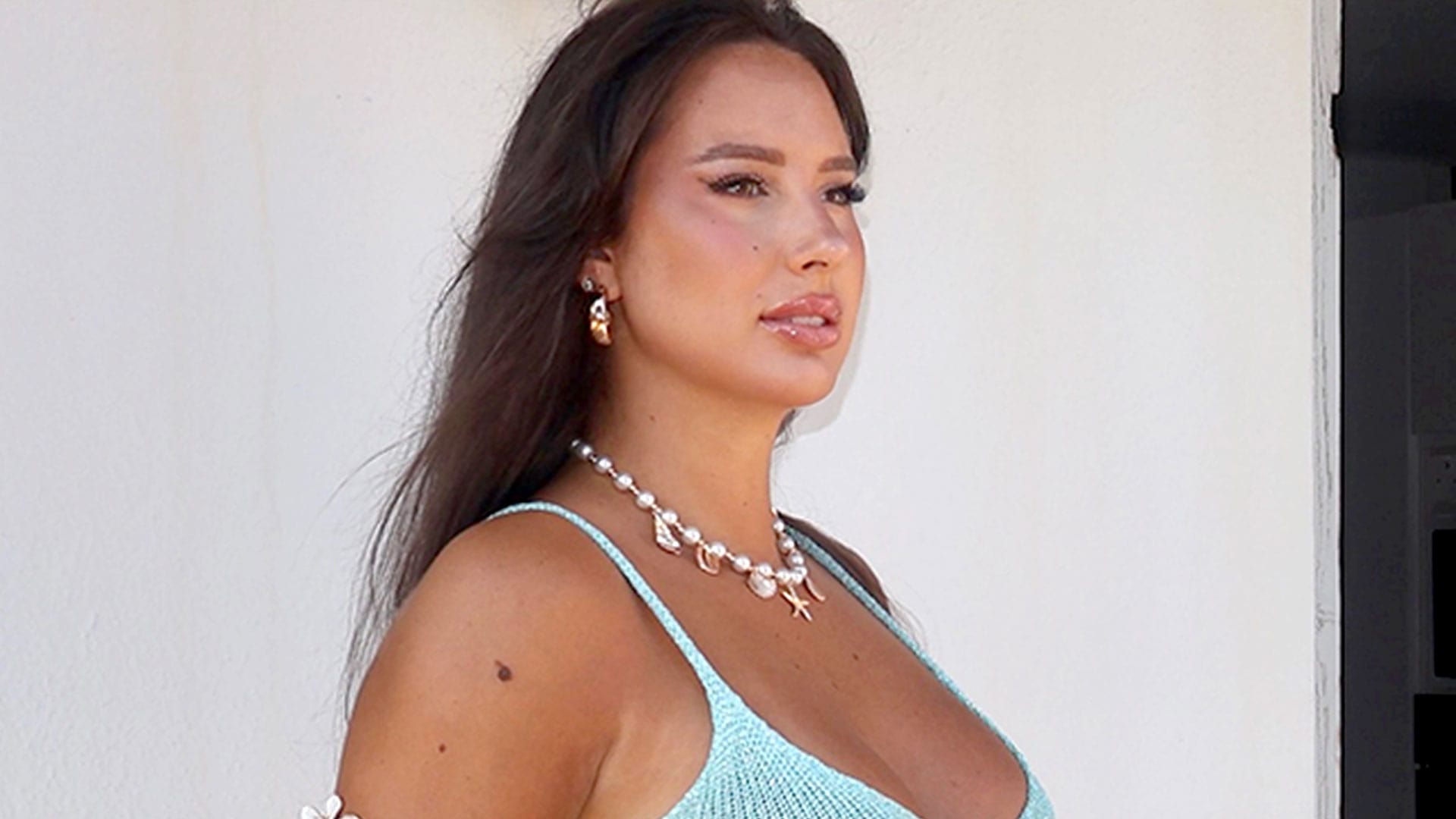
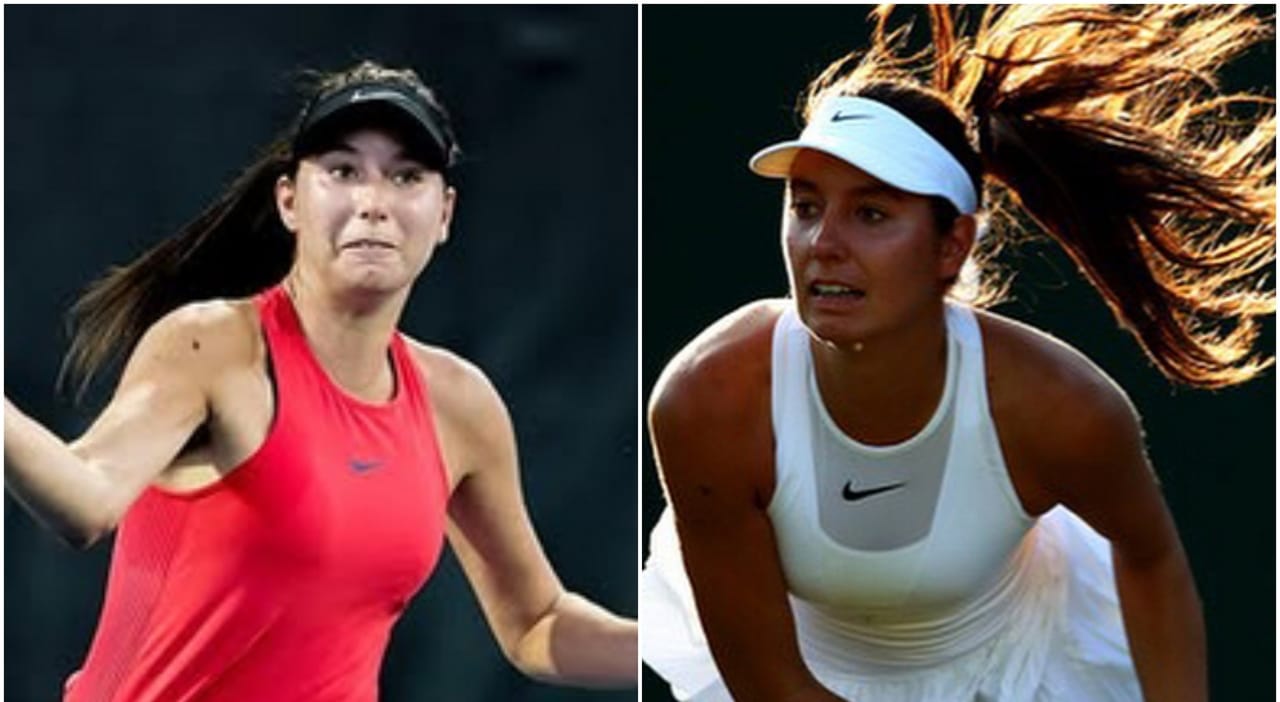
Let’s cut through the noise, shall we? When a professional athlete — a genuine, full-time competitor in one of the world’s most glamorous sports — joins OnlyFans, the media establishment rushes in with the same tired, high-minded nonsense. They call it financial empowerment. They tell you it’s a savvy business decision. They say she’s taking control of her image and future. They want you to believe this is a “progressive” choice where a modern woman reclaims her autonomy by monetizing her body in a new and exciting way. This narrative, crafted by public relations firms and parroted by corporate media, conveniently papers over the ugly truth. And that truth is this: Oceane Dodin’s move is a smoking gun, a clear piece of evidence that the entire professional sports ecosystem, particularly outside of the top 1%, is fundamentally broken.
But let’s not make any mistake here. This isn’t just about Dodin. She’s a symptom, not the cause. She’s the first crack in a dam that’s been holding back a rising tide of desperation for years. The system failed her, and it’s failing thousands of other athletes right now. They want you to celebrate this as a triumph of modern entrepreneurship, but in reality, it’s a public execution of a dream. The “Official Lie” is that she chose this path from a position of strength; the “Truth” is she was forced down this path by a system that refuses to pay its low-ranking workers a living wage.
The Rigged Game of Professional Tennis: A Pyramid Scheme
You probably think professional athletes are rich. And if you think that, you’ve been fooled by the top 1%. You watch Wimbledon, see the prize money for the winners — millions of dollars — and assume that all players live in luxury. But the tennis world is structured like a pyramid scheme where 99% of the wealth is funneled to the top few dozen players, leaving everyone else scrambling for scraps. The prize money drops off a cliff after the first few rounds. A player ranked outside the top 100, like Dodin was, struggles to break even, let alone get ahead. Because even if you make $10,000 in a tournament, you’re paying for your own flights, your own accommodations, your own coaching staff, and sometimes even your own physio. The costs stack up so fast that many players operate in a constant state of debt, living out of suitcases and praying for a lucky run to keep them afloat. And while the top stars get multi-million dollar endorsement deals with Nike and Rolex, the lower-ranked players get nothing but free gear and maybe a few bucks from a local sponsor.
And let’s get real about the numbers. The cost of a professional tennis career is astronomical. A decent coach costs thousands a week. Travel costs for a full season can be over $100,000. For someone ranked 150th in the world, the prize money barely covers the expenses. The margin for error is non-existent. A few bad tournaments, an injury, or a global pandemic (remember that?) and you’re done. You’re staring at a choice: give up your dream, or find a “side hustle” that allows you to continue chasing it. The establishment wants you to think this side hustle is innovative; I say it’s a forced monetization of desperation. Because when the system provides no safety net, and when the rewards for success are so heavily skewed, what’s left for the non-elite athlete? The answer, increasingly, is their body.
The Breast Augmentation Confession: The Smoking Gun
Now, let’s talk about the other “confession” that came out alongside the OnlyFans announcement: Dodin’s breast augmentation. The media treated it almost as an afterthought, another piece of personal information shared by a player “empowering” herself. But this isn’t just vanity; it’s a vital clue about the pressures put on female athletes. Because when you’re struggling to secure endorsements, and when the system values female aesthetic appeal over athletic prowess, what do you do?
But let’s face it, society has always treated female athletes differently. The first question often isn’t about their backhand; it’s about their look. We saw it with Anna Kournikova — a player who earned more from endorsements than prize money despite never winning a major singles title. Her marketability was always tied to her appearance. And that pressure hasn’t gone away; it’s just changed platforms. The message from the establishment to female athletes who aren’t winning majors is simple: your value isn’t in your skill; it’s in your looks. And Dodin’s decision to enhance her appearance and then immediately monetize it confirms exactly what the establishment wants: a truly wants: less focus on the game and more focus on the spectacle.
The Blurring Lines of Commodification
This isn’t just about a single player; it’s about the normalization of a deeply toxic trend. The establishment loves to pat itself on the back for “supporting” women’s sports, but they’re actively encouraging a race to the bottom where athletes must choose between dignity and survival. They’ll watch as a new generation of female athletes, seeing this “success story,” prioritizes social media content creation and aesthetic adjustments over training. Because why spend years grinding on the court when you can make more money in a week on OnlyFans? The system is essentially telling these women: give us your body, or starve.
And let’s not overlook the psychological impact here. The pressure on athletes is already immense. Now, add to that the pressure to constantly curate a marketable, sexualized image for a platform that rewards exhibitionism. This isn’t just a side gig; it’s a complete redefinition of what it means to be a female athlete in the 21st century. The establishment is perfectly fine with this because it shifts the financial burden from the organizations (WTA, sponsors) onto the individual athlete. It’s a corporate solution to a systemic problem, designed to save them money while making a few athletes feel “empowered.”
The Future: A Two-Tiered System
Where does this go next? I’ll tell you where it goes: a full-blown two-tiered system for female athletics. On one side, you have the top-tier champions like Iga Swiatek or Coco Gauff, who are financially secure through traditional sponsorship. On the other side, you have everyone else, from players ranked 50 to 500, who will increasingly rely on platforms like OnlyFans to subsidize their careers. Because let’s not pretend this will be isolated to tennis. This is coming to gymnastics, track and field, swimming, and every other sport where female athletes aren’t paid a sufficient wage to justify the sacrifices they make. The establishment has opened Pandora’s box, and now every young female athlete will be presented with this “alternative” pathway. The message from the system is clear: If your talent isn’t enough, perhaps your appearance will be. This isn’t progress; it’s exploitation rebranded as empowerment. It’s a sad day when the only way to afford to play your sport is to sell off parts of your life to strangers on the internet.
But the real outrage here isn’t Dodin’s choice; it’s the fact that she had to make it at all. The establishment, the WTA, the sponsors, they all failed her by creating a system where a professional athlete’s career isn’t sustainable without resorting to this. And when they tell you this is empowerment, remember who truly benefits: not the athlete who is forced to sell herself, but the system that no longer has to pay a fair wage.
The Call to Action: Don’t Be Fooled
And so, we arrive at the crossroads. We, the people, must decide if we will accept the establishment’s narrative that this is normal. We must decide if we will celebrate this as a sign of progress, or if we will call it what it really is: a failure. Because for every Oceane Dodin who finds a way to keep playing by opening an OnlyFans account, there are thousands of other young athletes watching, internalizing the message that their primary value isn’t their hard work or their dedication to their sport, but their willingness to put their bodies on display. It’s time to demand better from the institutions that control professional sports. It’s time to stop normalizing exploitation under the guise of empowerment. This isn’t a victory for women in sports; it’s a defeat for a system that promised them a fair shot at glory but delivered only desperation.