NYC Nurses Take to Picket Lines in Massive Strike
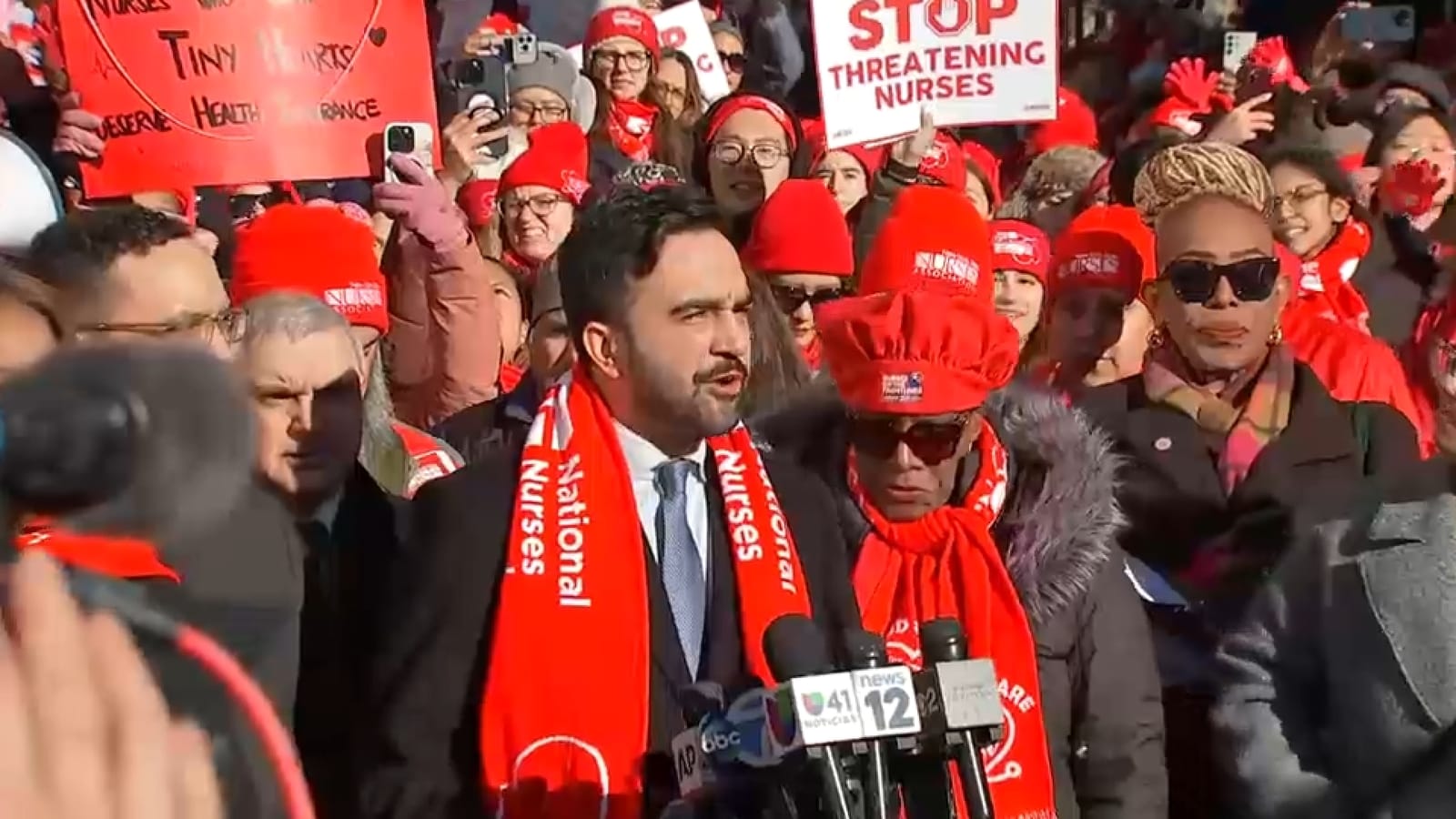
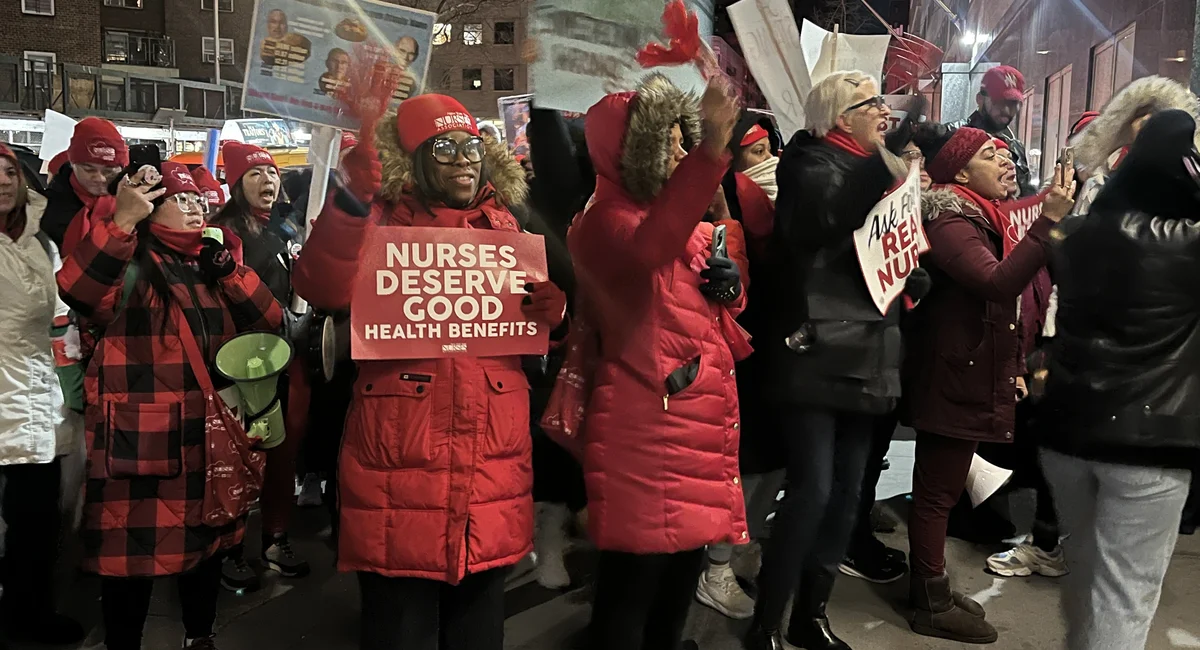
Nearly 15,000 nurses across New York City have initiated a widespread strike, marking one of the largest nursing walkouts in the city’s history. This action comes after contract negotiations between the nurses’ union and hospital management failed to reach an agreement before the Monday morning deadline.
The strike involves over 14,000 private-sector nurses who were poised to walk off the job unless a last-minute deal could be brokered. Unfortunately, eleventh-hour discussions proved insufficient, leading to the immediate cessation of work at several major hospitals throughout the city.
Impact on Manhattan and the Bronx
Nurses from hospitals located in Manhattan and the Bronx are among those who have joined the picket lines. This coordinated action by the New York State Nurses Association signifies a critical juncture in the ongoing dispute over contract terms.
The decision to strike follows the failure of contract talks over the weekend. Both sides were unable to bridge the gap on key issues, prompting the union to authorize the mass walkout.
Why This Matters: Healthcare System Strain
Broader Implications for Healthcare Access
The sheer scale of this strike immediately raises concerns about the continuity of patient care and the operational capacity of New York City’s healthcare system. Hospitals facing such a significant loss of nursing staff will need to implement contingency plans, likely involving temporary staffing agencies or reassigning non-striking personnel.
This situation highlights the immense pressure on healthcare workers, particularly in the wake of the COVID-19 pandemic. Nurses are often on the front lines, facing demanding workloads, potential exposure to infectious diseases, and emotional distress, all while grappling with contract disputes over pay, benefits, and staffing ratios.
The Role of Staffing Ratios
A central point of contention in many nursing contract negotiations is the issue of staffing ratios. Unions frequently advocate for mandated nurse-to-patient ratios to ensure adequate care and prevent burnout among staff. When these ratios are perceived as insufficient, it can lead to compromised patient safety and increased stress on nurses.
The New York State Nurses Association has been vocal about the need for better staffing levels. This strike underscores their commitment to addressing these concerns, which they argue are critical for both patient well-being and the sustainability of the nursing profession.
Economic Factors and Union Power
Beyond patient care, the strike also reflects broader economic trends affecting the labor market. Rising inflation and the increasing cost of living in major urban centers like New York City place additional pressure on nurses seeking fair compensation and benefits packages.
The union’s ability to mobilize such a large number of nurses demonstrates its significant bargaining power. A prolonged strike can have substantial financial implications for hospitals, both in terms of lost revenue and the increased costs associated with hiring temporary staff.
Looking Ahead: Potential Outcomes and Future Trends
Negotiation Dynamics
The immediate future hinges on whether hospital management and the union can return to the negotiating table with renewed urgency and a willingness to compromise. The longer the strike continues, the greater the pressure will be on both parties to find a resolution.
Mediation services might be employed to help facilitate discussions. The involvement of city or state officials could also influence the pace and outcome of the negotiations.
Lessons for Other Healthcare Systems
This strike serves as a critical case study for healthcare systems across the nation and globally. It underscores the vital role nurses play and the importance of addressing their concerns regarding working conditions, compensation, and patient safety.
As healthcare systems worldwide continue to face staffing challenges and evolving patient needs, the outcomes of such disputes will shape labor relations and healthcare policy for years to come. The balance between hospital financial health and the well-being of its most crucial workforce remains a paramount concern.
The ongoing situation in New York City is a stark reminder of the complexities inherent in managing large-scale healthcare operations and the indispensable contribution of nursing professionals.