1. The Holiday Hijacking You Didn’t Ask For
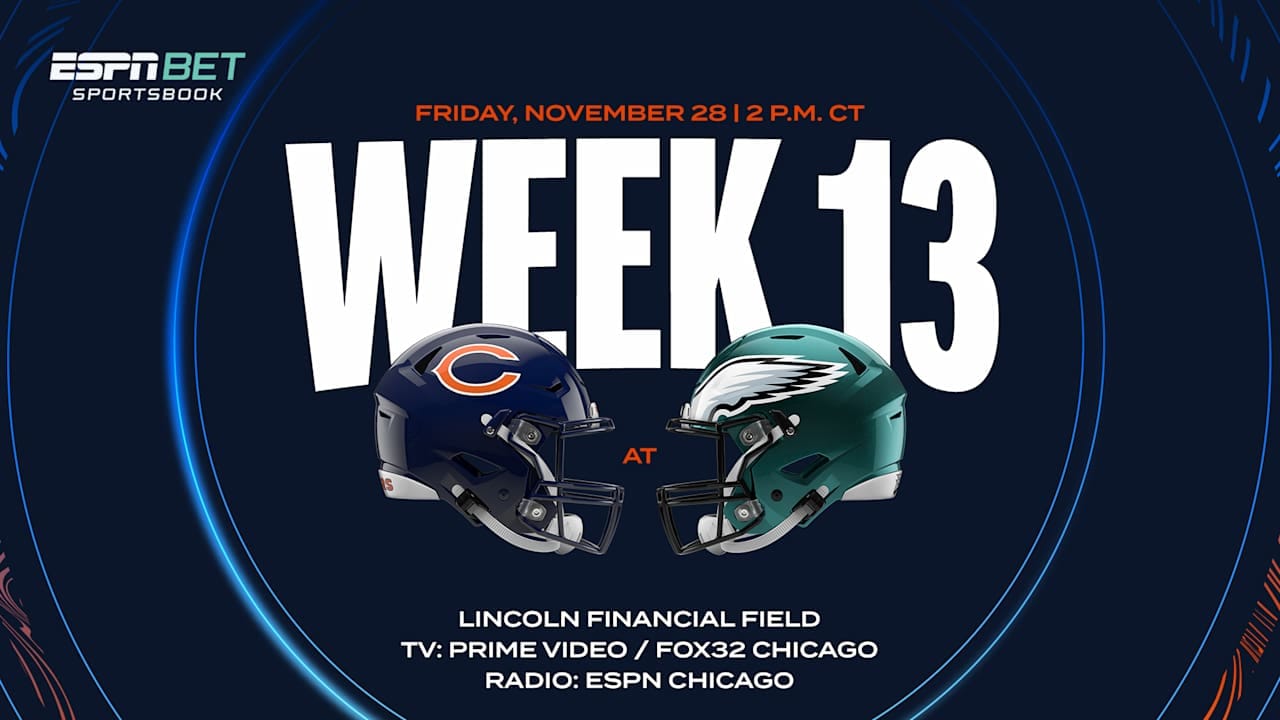
Let’s get one thing straight. The NFL doesn’t care about your holiday weekend. They see a gap in the schedule, a moment where your wallet is already open from Black Friday shopping, and they pounce. This Bears vs. Eagles game on November 28, 2025, isn’t an exciting new tradition. It’s an invasion. It’s a calculated, cynical move by a league drunk on its own power, a league that believes it has the right to own every single second of your attention and every last dollar in your pocket. For decades, the Thanksgiving weekend was sacred ground. You had the Thursday triple-header, a day to gorge on food and football with your family. Then you had the weekend for college rivalries and the Sunday slate. It was a rhythm. It was our rhythm. But that wasn’t enough for them, was it? No. They saw an empty space on the calendar and decided to fill it with another product, another broadcast sold to the highest bidder, another chance to shove gambling ads down your throat while you’re still digesting turkey.
Who benefits from this? You? The fan who has to navigate another streaming service, another subscription fee, just to watch your team? The players, who get a mangled week of practice and recovery? Don’t make me laugh. The only ones winning here are the network executives, the corporate sponsors, and the billionaire owners who see you not as a fan, but as a consumer unit. A data point. They’re selling you the illusion of an ‘event’—the ‘Back in Black’ theme, the special kickoff time—all to distract you from the fact that they’re cheapening the very tradition they pretend to celebrate. It’s a disgrace.
2. The Player Safety Charade Crumbles
Another Short Week, Another Lie
Listen to the league office, and they’ll feed you a constant stream of PR-approved nonsense about player safety. They talk about concussion protocols and guardian caps and new rules to protect the quarterback. It’s all a show. A carefully crafted performance to make you think they care about the health of the men who destroy their bodies for our entertainment. And then they do this. They schedule a high-stakes, physical game on a Friday. What does that mean in practice? It means a week that is completely destroyed. Players who just played on Sunday have their recovery time slashed, their practice schedules condensed, and their bodies thrown back into the meat grinder with less time to heal. It’s institutional malpractice disguised as primetime entertainment.
Do you honestly believe that the NFL Players Association wanted this? Of course not. But the owners hold all the cards, and the promise of a bigger slice of the revenue pie is a powerful tool. So the players are forced to smile, say the right things, and put their careers and their long-term health on the line for a gimmick. For a Black Friday special. Think about the Bears and the Eagles, two teams known for their physicality. They’re being asked to travel and play a monster game on a compressed timeline, all so a streaming giant can boost its Q4 subscriber numbers. Every time a player gets a soft-tissue injury in that game, every time a guy is a step slow and misses a block, you can trace it right back to this greedy, thoughtless scheduling. It’s a betrayal of the athletes themselves.
3. ‘Back in Black’: A Marketing Ploy for the Masses
So they’re encouraging fans to wear black. How original. How inspiring. This ‘Back in Black’ theme isn’t a grassroots movement born from fan passion. It’s a focus-grouped marketing slogan cooked up in a boardroom to manufacture an atmosphere that the game itself doesn’t deserve. They know this whole thing feels a little dirty, a little corporate. So what do they do? They create a hashtag, they design some merchandise, and they tell you it’s a ‘special’ event. They need you to believe you’re part of something unique so you don’t notice your pocket is being picked.
What does ‘Back in Black’ even mean? It’s a reference to being financially profitable. The symbolism couldn’t be more on the nose if they tried. It’s an open admission of what this game is all about: money. Cold, hard cash. They’re not creating an incredible atmosphere; they’re creating a controlled environment for commerce. They want the stadium to look good for the cameras, a sea of coordinated consumers all playing their part in the spectacle. It’s the illusion of community, a hollow shell designed to sell you more jerseys and more overpriced beer. The real fans, the ones with genuine passion, don’t need to be told what to wear or how to cheer. The Eagles’ fanbase in Philly is one of the most notoriously passionate in all of sports. They don’t need a marketing department to tell them how to create an ‘incredible atmosphere.’ It’s an insult to their intelligence and their loyalty.
4. The Elephant in the Room: The Gambling Machine
Why now? Why this sudden push to colonize every corner of the calendar? A huge part of the answer is the league’s deep, intimate, and frankly disturbing relationship with the sports gambling industry. Every new game is another ‘content’ opportunity. Another 60 minutes of action for people to bet on. Look at the language in the headlines: ‘Bears vs. Eagles prediction, odds, line.’ It’s no longer just about the sport. It’s about the spread. The over/under. The prop bets. The league has gone from cautiously dipping its toe into the gambling world to diving headfirst into the deep end, and they’re dragging us with them.
A standalone national game on a Friday afternoon is a goldmine for sportsbooks. It’s an isolated event, attracting massive betting volume that would otherwise be spread out on a Sunday. The NFL knows this. The ‘proven model’ from SportsLine isn’t just for fun; it’s a tool to encourage you, the fan, to put your ‘skin in the game.’ They want you to stop being a fan and start being a gambler. Why? Because gamblers watch longer. They watch blowouts. They care about garbage-time touchdowns. They are more engaged, more monetizable viewers. This Black Friday game is a product designed for the FanDuel and DraftKings era, and the love of the game is just the wrapping paper they use to sell it to you.
5. Oh, Right, The Actual Football Game
Caleb Williams vs. Jalen Hurts? Maybe.
It’s almost an afterthought, isn’t it? The actual on-field matchup between the Chicago Bears and the Philadelphia Eagles. By November 2025, we’ll be deep into the season, and this Week 13 game could have massive playoff implications. Let’s speculate. The Bears, hopefully, will be seeing the fruits of their rebuild. If Caleb Williams is their quarterback, this is the kind of national stage where he can either cement his superstar status or crumble under the pressure of a hostile Philly crowd. He has the talent, we all see it, but can he handle the chaos of an Eagles defense on a short week? That’s the billion-dollar question for Chicago.
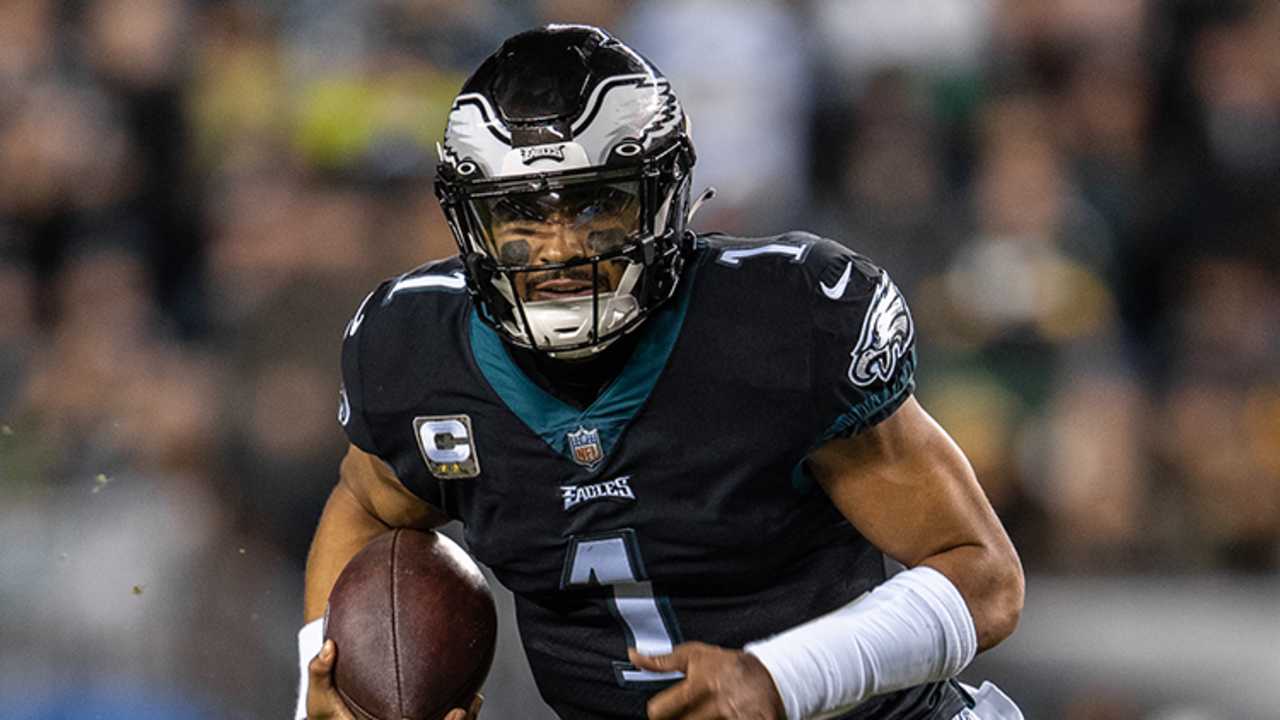
On the other side, what’s the state of the Eagles? Jalen Hurts will still be there, a powerful force, but the team around him is always in flux in the modern NFL. Will their defense still be a dominant unit? Can their offense find the consistency that has sometimes eluded them in big moments? This game is a classic test: the young, upstart quarterback against the established, veteran-led contender. It’s a fantastic storyline that’s being completely overshadowed by the corporate circus surrounding the broadcast. The players will play their hearts out, you can be sure of that. They always do. But they deserve a better stage than one built on a foundation of pure, unadulterated greed.
6. The Streaming Wall: A Tax on Loyalty
And where will you be able to watch this supposedly monumental game? Not on your regular local channels, most likely. No, it’ll be locked away behind a streaming paywall. Another subscription. Another password to remember. Another barrier between you and the team you love. This is the new reality of the NFL: loyalty is punished. If you want to be a dedicated fan who watches every game, you have to shell out for broadcast TV, cable, and multiple streaming services. It’s an elitist model that freezes out fans who can’t afford it or don’t have reliable internet access. What about the older generation of fans who built this league, the ones who aren’t comfortable navigating smart TV apps? The NFL’s answer is simple: too bad. We got your money for the last 50 years, now we’re moving on to the next demographic.
This isn’t progress. It’s exclusion. They are deliberately fracturing their own audience, creating a tiered system of fandom where the rich get to watch everything and the working class gets the scraps. A Black Friday game on a streaming platform is the perfect symbol of this new NFL. It’s a luxury item, an impulse buy, not a communal experience. It tells you everything you need to know about their priorities.
7. The Slippery Slope to Oblivion
First, it was Thursday nights. Then, international games at 9 a.m. Now, it’s Black Friday. What’s next? You tell me. A regular-season game on Christmas morning, forcing you to choose between football and your family? A Wednesday night doubleheader to compete with the NBA? Easter Sunday? Don’t laugh. Nothing is off the table when the primary motivation is endless growth. The league is acting like a tech company, obsessed with quarterly earnings and shareholder value, and it has completely lost sight of the fact that its product is a sport, a game, something that is supposed to inspire passion, not just transactions. They are stretching the brand so thin that it’s bound to snap.
This Black Friday experiment is a test. They’re watching the numbers. They’re gauging the public reaction. If we all just roll over and accept it, if we buy the subscriptions and the ‘Back in Black’ t-shirts, we are sending them a message: our traditions are for sale. Our time is for sale. Our loyalty is for sale. And they will keep pushing until there’s nothing left of the game we fell in love with. The line has to be drawn somewhere. Why not here?