The Grift of the Gridiron Grind: Week 17 Saturday Shenanigans Exposed
Who are they kidding with this Week 17 Saturday doubleheader? Seriously? We’re supposed to pretend that squeezing two meaningful (or maybe not so meaningful, depending on who you ask) matchups onto a Saturday afternoon, smack dab in the post-holiday slump, is some kind of fan service? Give me a break. It stinks of desperation, plain and simple. This isn’t about giving fans great action; this is about squeezing every last drop of ad revenue out of the calendar before the final week chaos descends.
When Did We Accept This Mid-Season Mediocrity?
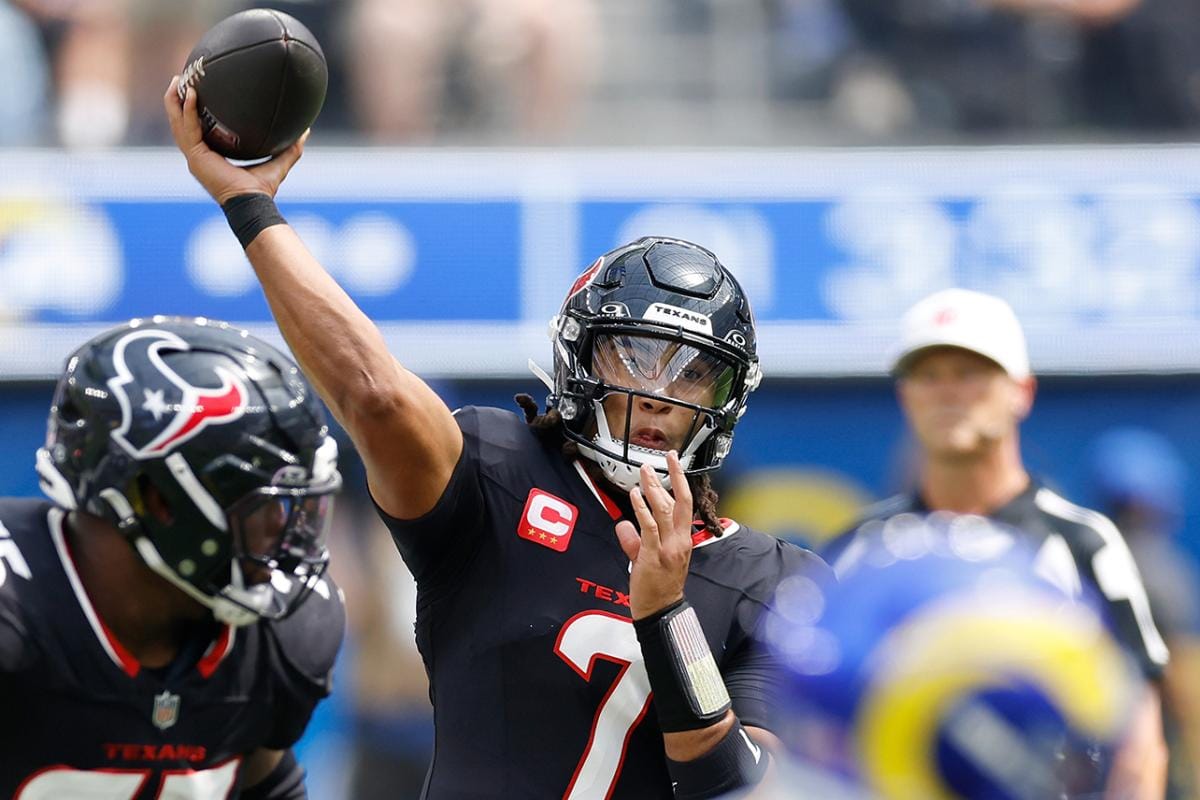
Remember when the NFL was appointment viewing, reserved for the sacred slot of Sunday afternoon or the gleaming promise of Monday night? Now? Now they treat Saturday like a late-night infomercial slot for games nobody really asked for until the playoff picture got sticky. We’re looking at Houston Texans (10-5) vs. the Los Angeles Chargers (11-4). That’s a clash of titans, right? Maybe. Or maybe it’s just two teams trying to avoid the ignominy of a first-round exit because the schedule demanded they show up before the pizza is even finished digesting from Christmas Day.
And then, the supposed cherry on top: the Baltimore Ravens (7-8) hitting the road. Seven and eight! The league keeps insisting on showcasing parity, but when you’re watching teams hovering around the .500 mark fighting for scraps in late December, you have to ask: Is this competitive balance, or is this just deliberately watered-down product designed to fill airtime? It’s a travesty wrapped in orange and blue, I tell you.
The Illusion of Choice: Streaming vs. The Actual Channel
They throw out these vague references about ‘how to watch every NFL game.’ Oh, wonderful. So I need three different streaming subscriptions, the local affiliate that can’t broadcast in 4K, and maybe a ham radio just to catch the whole mess? This whole decentralized viewing experience is designed to confuse the casual viewer, pushing them toward FOMO spending on yet another app just to see if Lamar Jackson decided to show up that day. It’s infuriating. Why can’t they just commit to a standard broadcast mechanism? Because commitment costs money they’d rather siphon off the back end through these complicated digital deals, that’s why. It’s a racket. Pure and simple.
The chatter around the Texans/Chargers broadcast details—which channel, what time (7:30 a.m. ET, they say for the lead-off? Wait, that can’t be right for a Saturday afternoon kick, that sounds like a glitch in the matrix or a typo from some overworked intern). Let’s assume standard afternoon kicks, but the confusion itself is part of the machine. They want you scrambling. They want you stressed. They want you refreshing three different sports sites just to confirm kick-off times across the country. Why this obsession with making the viewing experience harder?
Historical Context: Where Did the Saturday Games Come From?
It wasn’t always like this. The league held onto Saturday sacred ground for college football, a long-standing American tradition. When the NFL started creeping onto Saturdays, often right before the holidays, it felt like an imposition. Now, it’s just another cog in the machine. The NFL recognized that the general public, bloated from turkey and holiday cheer, might actually be willing to settle for NFL football rather than doing anything productive. It exploits our collective lull. It takes advantage of the fact that people are home, bored, and susceptible to high-stakes, high-drama, albeit sometimes low-quality, football.
What happens when the Texans pull off a stunner? Or when the Chargers look absolutely flat against a team they should dismantle? The narrative shifts instantly. These Saturday games, initially treated as throwaways, suddenly become crucial inflection points for playoff positioning. The Ravens being 7-8, for example, means their upcoming opponent is going to treat this like a Super Bowl, which inflates the perceived importance of the game far beyond the actual talent on display in some instances.
Think about the implications for the players, too. These guys are supposed to be celebrating the holidays, resting up, maybe spending quality time with family before the grueling final week, but no. The league demands they put on a show on a Saturday. Is that fair treatment for athletes who are routinely beaten up for fifty weeks out of the year? Hardly. They are just interchangeable assets used to satisfy the quarterly revenue projections. It’s brutal.
The Post-Holiday Slump and the Ratings Grab
The timing is the real killer. Dec. 27th, 2025? That’s the sweet spot of holiday wreckage. Everyone’s got gift cards they don’t know how to spend, relatives have gone home, and the energy level nationwide is somewhere between ‘nap’ and ‘existential dread.’ The NFL knows this. They know that a guaranteed 15-20 million viewers for Chargers/Texans is easier to lock down when the competition is reruns and regret. It’s cynical scheduling at its absolute finest. They aren’t competing against other sports; they are competing against lethargy.
We need to stop pretending these Saturday games are some kind of special event. They are filler episodes. They are the obligatory scene in a long TV series where the main characters have to move the plot along without actually having any fun doing it. You’re watching teams that might be wildly inconsistent—a hallmark of the late-season scramble—forced into primetime visibility just because the calendar says so. Where is the quality control?
Why aren’t they using Saturdays earlier in the season when teams are fresher? Why wait until Week 17 when injuries have piled up like bad New Year’s resolutions? It only reinforces the perception that the league cares more about playoff positioning drama than the actual health or consistent quality of the product being delivered in those specific slots. It’s a cheap trick.
Speculation on Future Scheduling Tyranny
If this trend continues, what’s next? Mid-week games outside of the established Thursday slot? Midnight kickoffs for the West Coast teams just to satisfy Asian betting markets? We are on a slippery slope toward total scheduling saturation, where every single day of the week is weaponized for NFL content until the viewer burnout hits critical mass. This Saturday move is just an incremental step in that direction. The owners smell money, and Roger Goodell is just the usher handing out the tickets to the exploitation chamber.
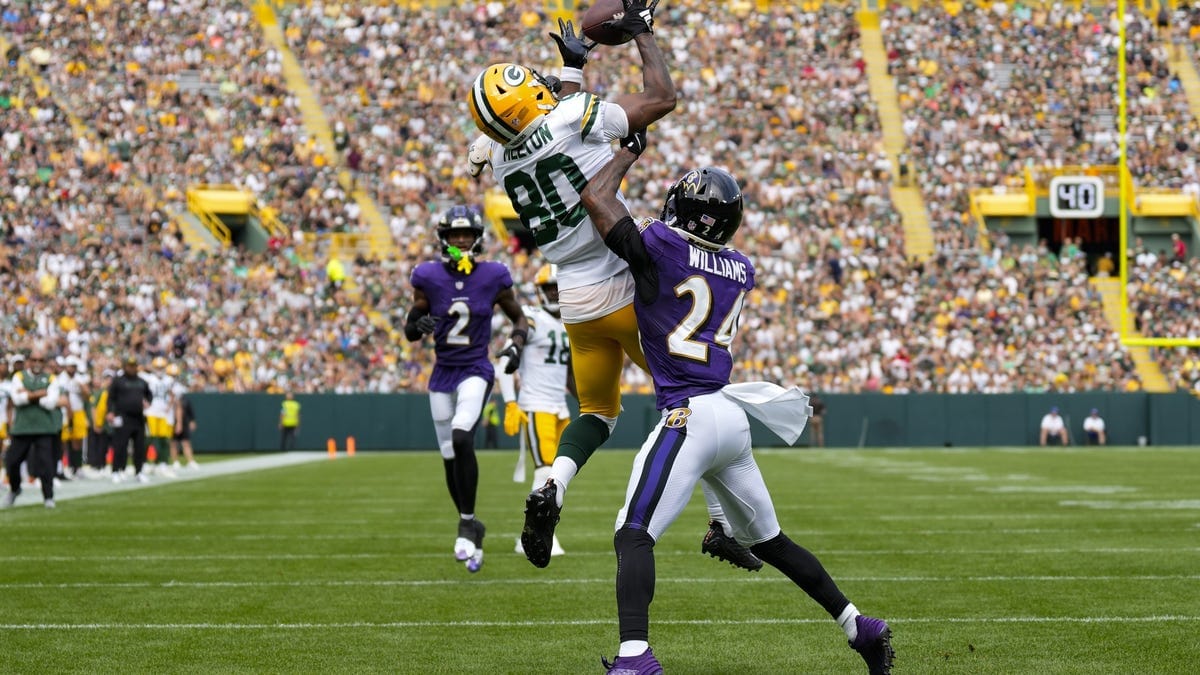
When the Ravens travel to play Green Bay (assuming that’s the context for the Ravens’ road trip, as they are listed against the Packers too in the mix of information), you have to think about the travel fatigue involved. These teams aren’t getting the respectful week-long layoff that Sunday games often afford, especially when factoring in the travel logistics for a Saturday afternoon start time, which often means Friday travel protocols kick in early. It’s a physical grind disguised as holiday entertainment. The players deserve better, and frankly, the fans who pay exorbitant prices for tickets deserve a higher caliber of football, not a hastily assembled Saturday matinee.
Look at the Texans. They’re having a solid year, but they’re walking into a hostile environment potentially, or at least a distraction-filled one because the schedule is so odd. Will they be focused, or will they be treating it like a glorified scrimmage until the second quarter? That’s the inherent risk the league forces upon them by jamming these slots together. We are supposed to dissect every snap, every penalty, every coaching decision as if it holds the fate of the universe, but sometimes, it’s just a Saturday football game played too early in the day for maximum human engagement. It’s infuriating how easily the masses swallow this manufactured urgency. We all know it’s noise designed to keep the cable boxes hot. Are we going to keep falling for it? I doubt it, but we’ll watch anyway, won’t we? That’s the real joke here. The ultimate proof of the league’s power isn’t in the quality of the games, but in our absolute compliance with their disruptive calendar changes. It’s pathetic fandom, really. We crave the structure, even when the structure makes zero sense. The Chargers need to put up 40 points just to justify the intrusion onto our weekend downtime. If they don’t, this whole Saturday experiment is a complete failure. Who cares about Week 17 streaming info when the entire scheduling strategy is fundamentally flawed? It’s a house built on sand, propped up by advertising dollars and the American public’s inability to say no to professional sports. They’re counting on us being snowed in, like the text suggested, too tired or trapped to find better things to do. Well, I’m not trapped. I’m just deeply unimpressed with the NFL’s creativity budget this year. It looks like they spent it all on player fines and none of it on common sense scheduling ethics. This isn’t the spectacle they advertise; it’s just mandatory viewing dictated by a contract negotiation. Wake up, people!
When you see the Ravens (7-8) struggling to find motivation in a game that only matters because a tiebreaker somewhere else affects them, doesn’t it feel cheap? It’s the NFL equivalent of cleaning out the attic—finding old junk that you suddenly decide might be valuable because you can slap a ‘Limited Edition’ sticker on it. The narrative control is absolute. They mandate the time, the channel, and we rush to comply, scrambling for the ‘live today’ information because the fear of missing out (FOMO) is a stronger motivator than rational thought. This spectacle must continue, regardless of quality or common decency toward the participants or the viewers. That’s the only real takeaway from this odd, holiday-adjacent scheduling choice. It screams that the NFL machine must run, full throttle, no matter the collateral damage to viewer enjoyment or player welfare. It’s a marathon, and they’re trying to sprint the last 100 yards by forcing everyone to run on an uneven surface.