The Illusion of Choice: NFL Week 17 Isn’t Football, It’s a Social Experiment
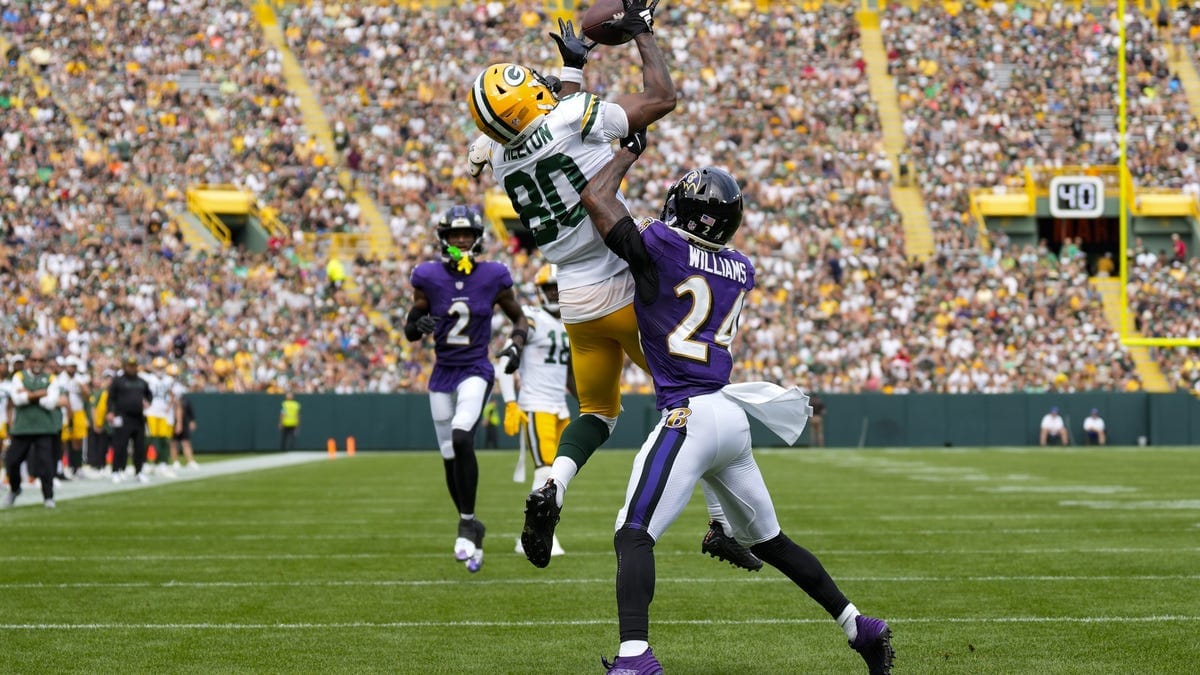
Look around you. It’s December 27th, 2025, and the NFL has coughed up a paltry two-game Saturday slate, maybe three if you believe the scribblers—one source says two, another whispers three, see how fast the official narrative splinters? This isn’t just scheduling; this is strategic psychological warfare disguised as weekend entertainment. They toss us a few scraps—Texans battling the Chargers, Ravens hoofing it out to face Green Bay—and we jump like starving puppies, grateful for the crumbs.
The Saturday Scarcity Ploy
Why so sparse? Why do we have to track down specific, niche channels just to watch the supposed pinnacle of American sport? This isn’t an accident; it’s deliberate scarcity designed to maximize desperation and, more importantly, drive subscription services. Remember when the entire schedule was laid out, visible, predictable? That era is dead. Now, if you want to see those 10-5 Texans fight the 11-4 Chargers (a matchup that sounds decent on paper, I’ll give them that, but is it really?), you better have the right cable package, the right streaming login, or you’re out of the loop. (And if you’re snowed in, as the press release optimistically suggests, well, enjoy staring at the static, buddy, because access costs cash.)
This is the slow strangulation of casual fandom. They are forcing commitment. You must pledge allegiance not just to a team, but to a corporate ecosystem. It’s exhausting trying to keep up. (It’s almost as bad as trying to figure out which streaming platform has the old movies you actually want to watch.)
The Power of the Prime Time Slot (and its Absence)
Consider the timing. Week 17. The final push before the playoffs really start to take shape. This is when viewing metrics should be through the roof. Yet, they botch the Saturday showing. Why? Because they are testing the limits of our tolerance. They are whispering, “We can give you this little appetizer at 7:30 a.m. ET—yes, 7:30 a.m. ET, that’s practically breakfast for East Coasters, an absolute joke for the West—and you’ll still tune in because you have no alternative social topic.”
The history of NFL scheduling is a history of exploitation. From blackouts that artificially inflated local ticket sales (remember those dark ages?) to the current digital gauntlet, the message is clear: your loyalty is valued only insofar as it translates into immediate, trackable revenue streams. The Ravens being 7-8 at this stage? That’s a team fighting for relevance, and the league knows people tune in for desperation football, especially if they can force you onto an obscure regional sports network that costs three extra dollars a month just for the privilege of watching a struggling team claw its way back into contention. It’s brilliant, in a thoroughly predatory way.
The Streaming Mirage and the Death of Shared Experience
When they talk about “how to watch every NFL game,” what they really mean is, “Here is the incredibly labyrinthine path you must navigate through five different media corporations to avoid spoilers for the entire week.” The beauty of shared mass media—everyone watching the same thing at the same time on the same channel—is deliberately eroded. (That’s how society bonds, you know, over shared cultural touchstones, but the NFL doesn’t care about societal cohesion; they care about CPM rates.)
We are being segmented. Chargers vs. Texans viewing habits will be different from Ravens vs. Packers viewing habits, and the data gathered from those divergent access points paints a terrifyingly detailed picture of the American consumer base. They aren’t just selling football; they’re selling granular demographic profiles based on which specific platform you were willing to subscribe to just to catch a late-season Saturday contest. (It’s the digital equivalent of paying extra for the VIP rope line to see a mediocre band.)
The Future: Pay-Per-Play Football?
If they can get away with this fragmented, inconvenient Saturday slate now, what stops them from making every Sunday game require a specific micro-transaction? Imagine: ‘Watch the fourth quarter kickoff for $1.99.’ Or, ‘Access defensive play-calling audio for $4.99 via the new ‘Tactics+’ stream.’ This Week 17 setup is the beta test for total monetization of every second of gameplay. They lull us into accepting the inconvenience now by wrapping it in the familiar blanket of holiday football.
The Chargers, fighting for seeding, and the Texans, maybe playing spoiler, are merely puppets in this grand administrative theatre. We should be demanding clarity, demanding open access, but instead, we are frantically Googling “What channel is this on?” like hapless tourists lost in Times Square. (It’s pathetic, frankly.) The decline of broadcast dominance is not accidental; it is engineered for maximum profit extraction before the structure inevitably implodes under its own weight.
Think about the sheer arrogance. A week where college football bowls are also running wild, yet the NFL decides, ‘Nah, we’ll just offer a couple of weirdly timed games that require advanced geographical knowledge to even locate on your remote.’ This isn’t about maximizing viewership; it’s about demonstrating ultimate power. They can dictate viewing patterns, and we meekly comply, waiting for December 27th to deliver its meager offerings. We deserve better broadcasts, and certainly better treatment than this scheduling insult. (The whole thing smells fishy, like old turf and bad referee calls.) This is an outrage, plain and simple.