The Deconstruction of Week 14: The Playoff Picture Is a Lie
Because the modern NFL season is less about sustained dominance and more about who manages to avoid catastrophic failure in December, Week 14 stands as a critical pivot point where the contenders separate themselves from the pretenders. It’s not about who looks good on paper; it’s about who actually executes when the pressure hits, and frankly, a lot of teams failed this test spectacularly. The playoff picture isn’t a reflection of quality; it’s a reflection of who is currently in the best position to survive the next three weeks, which is why we must view these standings with a high degree of skepticism. It’s a complete fabrication built on fragile tiebreakers and fleeting momentum, and a cold strategist recognizes that.
And yet, here we are, analyzing the shifting landscape of a league designed for maximum drama, not maximum efficiency. The narrative has completely shifted. The Chicago Bears’ brief reign atop the NFC North, which lasted about as long as a fast-food advertisement, has been thoroughly exposed. Their rivals made sure of that, and the implications ripple far beyond just that division. But the biggest storyline, the one that truly sets the stage for January, is the continued strategic failure of several teams that were considered locks for high seeding, forcing a reevaluation of everything we thought we knew about the AFC and NFC power structures.
The NFC North Betrayal: Packers vs. Bears
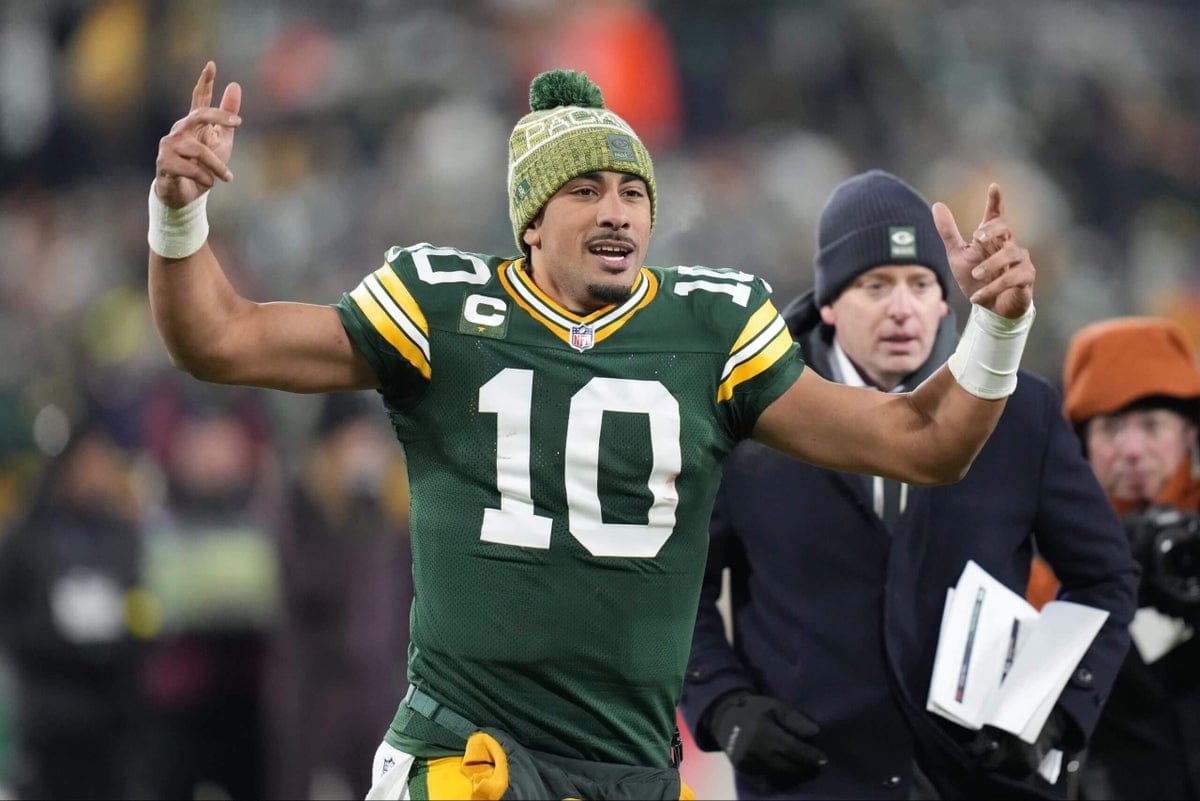
Let’s start where the most dramatic shift occurred. The Chicago Bears had a moment in the sun, a brief, glorious, and ultimately meaningless run where they actually looked like they could challenge for the division. It was a nice story for a week, but a strategist looks at history, and history almost always repeats itself in this division. The Green Bay Packers, a team that seems to exist solely to crush Chicago’s dreams, took control when it mattered most. This isn’t just about a single game; it’s about the psychological and strategic implications. When a team gets to a critical point and fails to deliver against its most hated rival, it reveals a fundamental weakness in its character and coaching. The Bears’ offense, which had shown signs of life, reverted to type under pressure, demonstrating that they lack the necessary strategic depth to win in high-leverage situations. It’s a tale as old as time in this rivalry, where hope quickly turns into despair. The Packers simply understand the formula for late-season success better than the Bears, even when they aren’t playing at their peak. It’s a cold, hard truth: the Bears are built for optimism; the Packers are built for results, however ugly they may be.
The AFC Contenders’ Strategic Collapse
But the NFC North drama is almost quaint compared to the high-stakes chess match unraveling in the AFC. The playoff race here is less a race and more a demolition derby. The Chiefs, Ravens, and Colts are all caught up in a dynamic struggle where a single loss can have devastating consequences. The input data highlights the critical nature of Week 14 for these teams, and the fallout from potential losses here is immense. The Chiefs, for all their past glory, have shown cracks in their strategic foundation. The cold strategist observes that they are not invincible; they are not even consistently dominant. When they lose, they often lose ugly, revealing vulnerabilities that other teams can exploit in the playoffs. This week’s results only reinforce the idea that their aura of invincibility has faded. They are just another team now, struggling with offensive inconsistency and facing pressure from every direction.
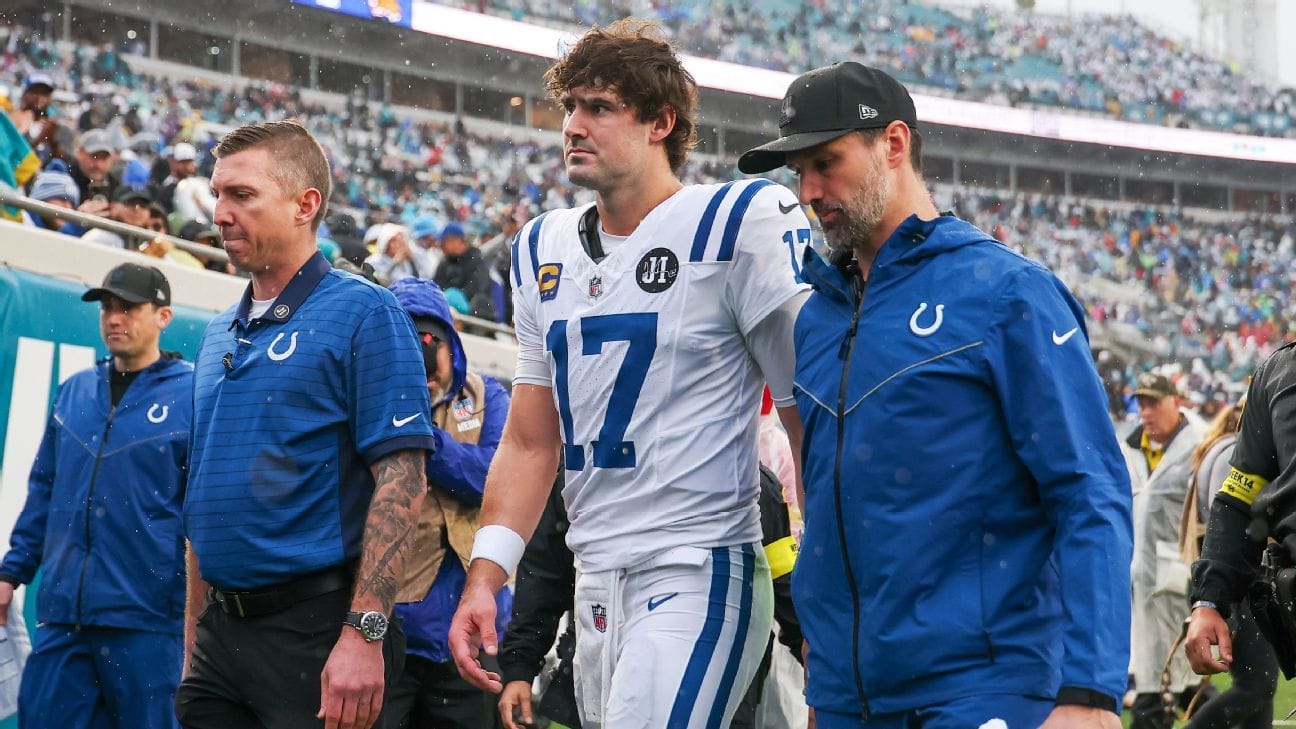
And then there are the Colts. The input data specifically asks ‘What now for the Colts?,’ which perfectly encapsulates the uncertainty surrounding them. They are a team defined by their ability to stay in the hunt, but their path to a high seed is fraught with peril. The cold strategist notes that their success relies heavily on specific matchups and avoiding key injuries. A loss in Week 14 against a weaker opponent, for example, would instantly relegate them to a wild card battle where they would face the very teams they struggle against. The question for the Colts isn’t whether they can make the playoffs, but whether they can strategically position themselves to win a meaningful game once they get there. Their fate depends entirely on whether they can outmaneuver the more strategically stable teams in the conference.
Because the Ravens have emerged as the dominant force, or at least the most strategically consistent team in the AFC. They represent the new high standard in the conference. While the Chiefs struggle with identity, the Ravens have embraced a formula that allows them to win ugly and control the clock against a variety of opponents. The cold strategist respects this kind of consistency more than sporadic brilliance. When a team can grind out wins against diverse competition, it signals that their coaching and strategic planning are superior. The Ravens are not flashy, but they are effective, which is exactly what a team needs in January. They are a predictable force, which makes them strategically difficult to defend because they always execute their plan. That’s true power.
The Wild Card Scramble: Broncos and Patriots on the Bubble
The input data highlights the Broncos keeping pace with the Patriots, which points directly to the chaotic nature of the wild card race. This is where strategic calculation becomes paramount. Teams like the Broncos and Patriots are not competing for division titles; they are competing for a mathematical possibility. The cold strategist views these teams as essentially fighting for the right to lose in the first round of the playoffs, but their efforts in Week 14 were crucial for the overall standings. The Broncos’ ability to keep pace against a tough schedule shows resilience, but their long-term viability is questionable. The Patriots, historically, have always found a way, but their current roster limitations suggest that this year may be different. The tiebreaker scenarios here are complex and unforgiving. When teams reach this point in the season, every single loss has an exponential impact on their chances. The cold strategist sees a lot of false hope here; most of these wild card teams are simply filling space for the inevitable, but their wins and losses are essential for determining the matchups of the true contenders.
The Historical Precedent and Future Implications
And so, looking at the historical data, Week 14 is where teams either solidify their position for a deep run or collapse completely under the weight of expectations. The cold strategist understands that teams that peak too early rarely win in January. The Bears are a perfect example of this. They had their moment in October and November, but when it came time to perform in December, they faltered. This pattern repeats itself year after year in the NFL. Conversely, teams that build momentum in December, like the Ravens appear to be doing, are the ones that are strategically positioned for success. They learn from their mistakes earlier in the season and perfect their formula for the playoffs. It’s a marathon, not a sprint, and most teams burn out before the finish line. Because a team that struggles to win in Week 14 against a perceived weaker opponent will almost certainly struggle in a high-stakes playoff environment. The pressure intensifies exponentially in January, and strategic weaknesses that were manageable earlier in the season become fatal flaws.
The current state of the playoff picture after Week 14 is not a final forecast; it is a snapshot of current vulnerabilities. The Chiefs need to address their offensive struggles immediately if they hope to return to form. The Colts must maintain their momentum and hope for favorable matchups. The Packers solidified their position through a strategic victory over their rivals. But for every team that benefited, another team suffered a potentially fatal blow to their playoff aspirations. The cold strategist looks at the standings not as a list of who is in, but as a list of who is still capable of winning in February. And based on Week 14, only a few teams actually pass that test. The rest are merely playing for pride and a quick exit from the postseason. Because in this league, strategic depth always beats fleeting success.
The Final Verdict: Strategic Outlook Beyond Week 14
As we move into the final weeks of the season, the focus shifts entirely to tiebreakers and strength of schedule. A single loss here can send a team from a high seed to a wild card spot, forcing them to play an extra game against a potentially stronger opponent. The cold strategist sees this as a fundamental weakness in the system; teams are rewarded for their consistency, but penalized for one bad week. The Broncos and Patriots are now fully engaged in a battle for survival, where every point differential and head-to-head matchup will be scrutinized. The Colts must navigate a minefield of potential losses that could completely derail their season. Because in the NFL, December is where strategic mistakes are amplified, and only the most prepared teams will truly survive. The playoff picture after Week 14 isn’t about hope; it’s about cold, hard reality, and for many teams, that reality is grim.
The 2025 NFL playoff picture, mentioned in the input data, will be entirely defined by these late-season results. The wild card chaos and teams on the bubble are not incidental; they are the core narrative. The cold strategist views this not as drama, but as a predictable consequence of flawed strategic planning. When teams fail to build a consistent winning strategy early in the season, they are forced into this desperate scramble for survival. The current standings are less about who is good and more about who has managed to avoid complete disaster. The next few weeks will be a test of endurance and strategic foresight, and many teams will inevitably fail. It’s always the same story.