The Great Premier League Con: Inconsistency, Greed, and the Illusion of Competition
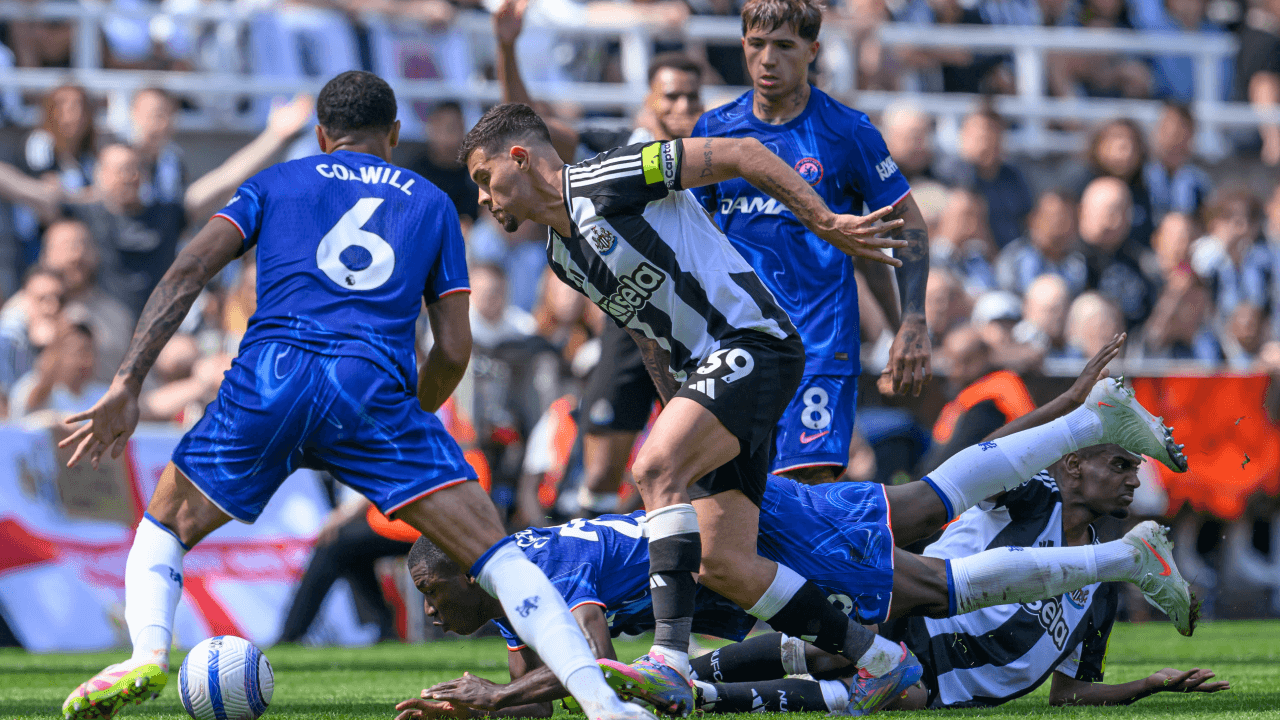
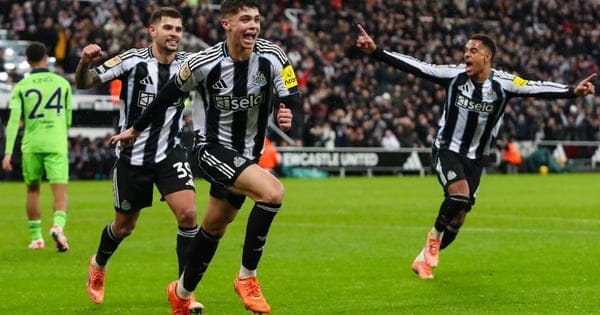
Let’s not pretend we don’t know what’s really going on here. The headline shouts about a player named Woltemade having a “dream start” and scoring a “flash brace” to beat Chelsea, while the analysis dissects Newcastle’s “inconsistency” and struggles with European demands. This narrative, crafted by corporate media, is pure theater. It’s designed to keep you focused on the pretty little statistics, the ups and downs of a football match, so you don’t look behind the curtain at the financial engineering that makes this entire circus possible.
Because the real story isn’t about Newcastle’s inability to live up to expectations; it’s about what those expectations actually represent. They represent a project built on a foundation of sand, funded by money that has absolutely nothing to do with football. We’re talking about sportswashing. It’s the ultimate corporate shell game, where a state entity—in this case, Saudi Arabia’s Public Investment Fund (PIF)—buys a beloved institution like Newcastle United to distract from a horrific human rights record. And yet, when the results on the field don’t align perfectly with the narrative, the media calls it ‘inconsistency.’ It’s not inconsistent; it’s exactly what you’d expect from a soulless enterprise built on cold, hard cash rather than genuine sporting ambition. The writing was on the wall the moment they signed the checks, and now we’re just watching the slow, painful realization that money doesn’t guarantee success, especially when a lack of real identity is at the core of the project.
The FFP Farce: How Financial Rules Protect the Elite
Let’s talk about the hypocrisy of Financial Fair Play (FFP), because this is where the investigation truly begins. FFP isn’t designed to create a level playing field or prevent clubs from overspending; it’s designed to protect the established aristocracy. It’s a velvet rope that keeps new money out, or at least forces it through a very specific, carefully managed funnel. Newcastle and Chelsea are prime examples of this rigged system at work. Chelsea, having spent hundreds of millions on new players in recent years, constantly teeters on the edge of FFP violations. They navigate these rules with accounting tricks and long-term contracts that defer costs. Meanwhile, Newcastle faces scrutiny because their funding model is so obvious and so direct. They’re a direct challenge to the old guard, and FFP is the weapon used to keep them in check.
But the key insight is this: the rules are only applied when it’s politically convenient. When Manchester City was caught breaking a litany of rules, the penalties were weak and contested. When smaller clubs or new entrants try to break in, the hammer comes down hard. The entire structure of FFP in the Premier League is a sham, a convoluted web of accounting regulations that allows a few clubs to dominate while creating the illusion of fairness. And when clubs like Newcastle struggle with ‘inconsistency,’ it’s often because they’re playing a game where the rules are constantly changing to keep them in their place. This isn’t about fair competition; it’s about market control and preserving the status quo. Woltemade scoring a goal against Chelsea is just noise in the system, a tiny data point in a vast, corrupt financial network.
The Transfer Market Racket: Agents, Fees, and Collusion
The money-go-round of the Premier League transfer market is a racket, plain and simple. Every time a new player like Woltemade scores a significant goal or performs well, the value of that player skyrockets. The narrative of the “dream start” is carefully crafted by agents and club press offices to increase the player’s market value. The entire system is built on speculation, where millions are transferred not just based on talent, but on hype and the potential for future profit. This creates a highly inflated market where agents take exorbitant fees, and clubs are forced to overpay just to stay competitive.
The cycle of spending at clubs like Chelsea and Newcastle is unsustainable. They are not investing in long-term stability; they are speculating in a volatile market. The ‘inconsistency’ of Newcastle, their inability to maintain high performance despite high investment, isn’t a surprise. It’s the natural consequence of a scattergun approach where players are bought for price tags rather than strategic fit. The PIF money is so vast that they can afford to waste millions on players who don’t fit the system, creating internal chaos and a lack of identity. And because they’re forced to spend quickly to meet the sportswashing mandate, they bypass a lot of the careful scouting and development that leads to true, lasting success. The whole thing smells of desperation, not ambition.
The Geopolitical Game: More Than Just Football
The Premier League has become less a sports league and more a geopolitical battleground. The game between Newcastle and Chelsea isn’t just about three points; it’s about the soft power struggle between nations and billionaires. Saudi Arabia and the PIF view Newcastle as a strategic asset to gain influence in Europe. The ‘European King’ reference in the preview text isn’t just about the Champions League; it’s about the high stakes of continental influence. Chelsea, with its recent ownership change and constant spending, represents the old money trying to adapt to the new money. They are all caught in a high-stakes poker game where the stakes are far higher than the final score. The fans, caught up in the drama of Woltemade scoring or Newcastle’s inconsistent form, are just collateral damage in this much larger conflict.
And let’s be blunt: the media coverage, including the previews and recaps, plays into this narrative by simplifying the complex issues into palatable storylines. They focus on player injuries, manager tactics, and individual performances, avoiding the hard questions about where the money comes from and what the real purpose of these investments truly is. This deliberate obfuscation allows the system to continue unchecked. When you read about Newcastle’s struggles, don’t just ask why they can’t perform better; ask why a sovereign wealth fund felt the need to buy them in the first place, and what they hope to gain from it beyond a few trophies. The answer, almost certainly, involves a great deal of geopolitical maneuvering and very little genuine love for the sport.
The Spectacle of Failure: Why Inconsistency is Inevitable
Newcastle United’s current predicament, where they struggle with consistency and expectations, is exactly what happens when you substitute a club’s soul with a corporate takeover. The pre-takeover Newcastle had a distinct, working-class identity and a passionate fanbase. The current iteration, funded by the PIF, is trying to buy success without buying into the culture. This creates a disconnect between the club’s new direction and its historical identity. The players, often bought for astronomical sums, are part of this sterile corporate machine. They are mercenaries, not long-term custodians of the club’s legacy. The result? Inconsistency, poor performances in key games, and a general feeling that the whole project is hollow. The pre-game preview might talk about how difficult Newcastle is to play at home, but the truth is, a club without a soul cannot sustain long-term success against clubs with genuine, albeit corrupted, identities.
Chelsea, despite their own financial chaos, often exhibits similar patterns of instability. The massive spending sprees, the constant manager changes, and the high turnover of players create a chaotic environment where ‘inconsistency’ is simply the default state. These clubs are constantly trying to buy their way out of problems, rather than building cohesive teams. The high-stakes nature of the Premier League means that every result, every goal by a player like Woltemade, is magnified exponentially. But the underlying truth remains: the league is a financial bubble on the verge of bursting. The only question is when, not if, this whole enterprise collapses under the weight of its own greed. The “dream start” of a player is a fleeting moment, a distraction from the larger, more sinister reality of modern football.