The Real Upside Down: Where Institutions Profit and Kids Pay the Tab
Let’s cut the pleasantries and rip the bandage off this thing: a young woman is dead, and it’s not just a tragedy, it’s a searing indictment of everything wrong with modern American life, from Hollywood’s toxic culture machine to the cold, calculating indifference of elite universities who treat their physical properties like disposable assets while selling intellectual superiority, a scenario which places the full, undeniable weight of culpability squarely on the shoulders of the very institutions that should be protecting the public, not luring them into death traps with nostalgic hooks and viral glitter.
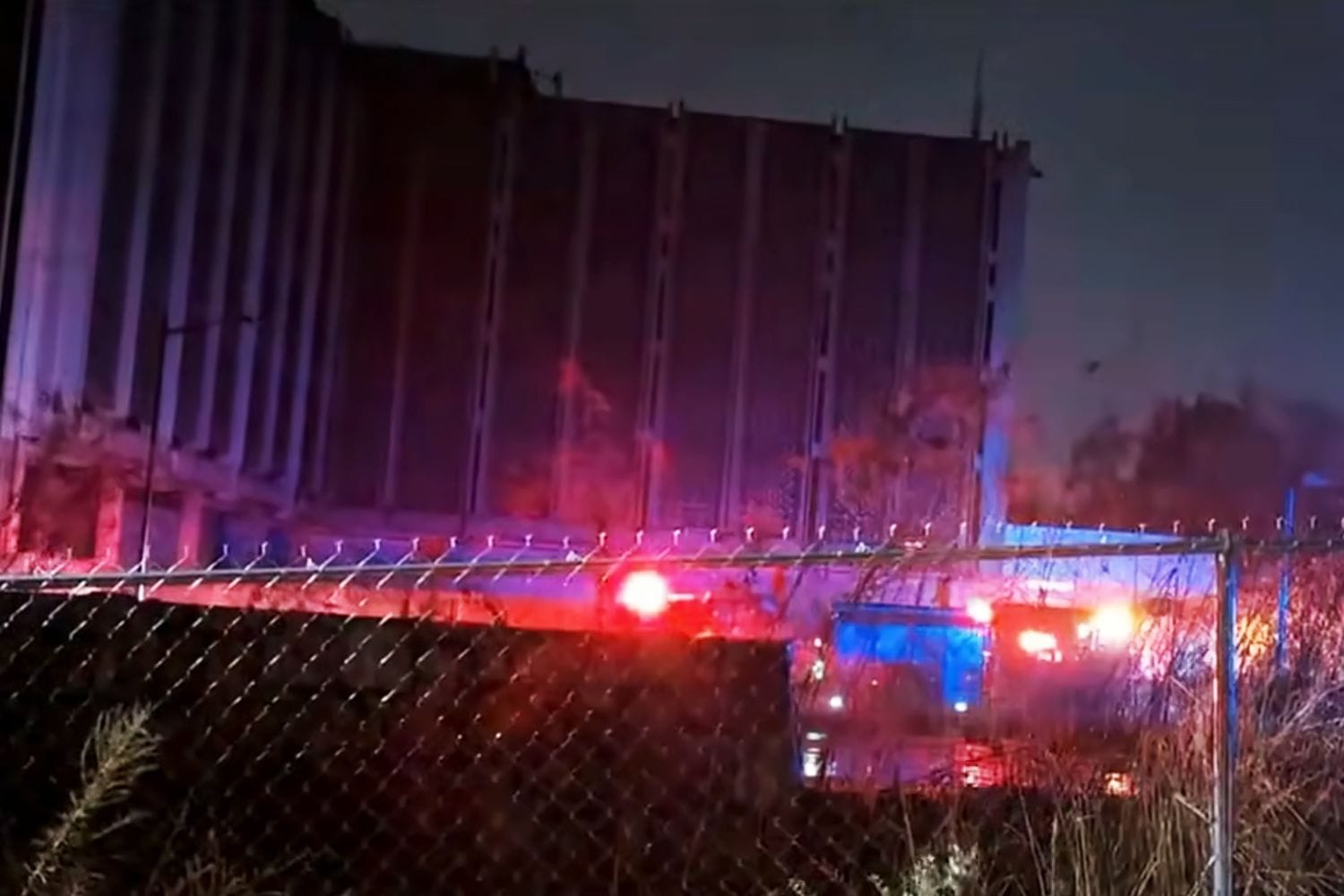
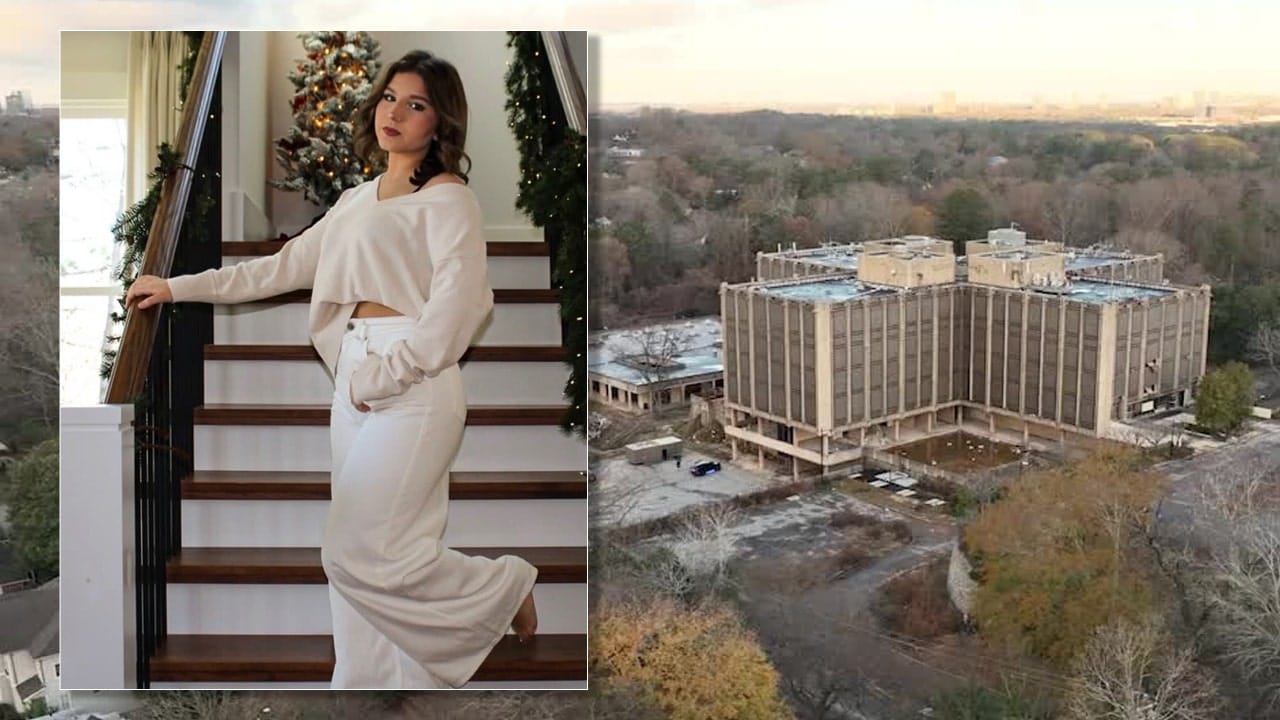
She was hunting a ghost, a simulacrum of the ’80s provided by Netflix’s *Stranger Things*, at an abandoned structure on Emory University’s Briarcliff campus, and she fell. Broke her neck. Dead.
This isn’t about blaming the victim; the father’s pain is real, agonizing, and raw. But when we talk about keeping kids out of abandoned buildings, we have to ask: who abandoned it first? Who left the candy out for the kids to choke on?
Emory’s Shame: The Price of Ruin Porn
Emory University is sitting on gold, prime Georgia real estate, yet they let a key structure—a place now famous globally because a streaming giant decided to use its decaying walls for mood lighting—turn into an ‘attractive nuisance,’ the legal term for a hazard so tempting it overrides common sense, which in this case means that the educational behemoth, with endowments that dwarf the economies of small nations, consciously or unconsciously decided that the security costs were simply not worth the investment, favoring instead a posture of detached liability denial, a move that is as morally bankrupt as it is fiscally shortsighted.
Think about that. An elite institution, the cradle of future leaders, willingly facilitates a backdrop for *ruin porn*—the fetishizing of decay—all while collecting tuition checks that could solve the energy crisis, and they couldn’t be bothered to board up a window or install decent fencing, thereby effectively sanctioning a pilgrimage site for fans desperate to touch the ‘magic’ of the screen, creating an entirely foreseeable danger.
It’s inexcusable.
Money talks.
Hollywood’s Hand: Glamorizing Death Traps
Now, let’s turn the spotlight on Hollywood and the behemoth known as Netflix. They are not merely storytellers; they are world builders, and when they use a real-world location—especially one as clearly compromised and decrepit as the Briarcliff campus—they turn it into a landmark, a dangerous shrine that the global fanbase feels compelled to visit, transforming a derelict structure into a piece of sacred pop-culture geography.
The argument that ‘it’s just fiction’ is weak, thin, and fundamentally dishonest; these corporations spend billions meticulously blurring the lines between fiction and reality, crafting immersive experiences and marketing campaigns that encourage deep fan interaction, utilizing geotags and social media influencers to drive traffic, yet when tragedy strikes, they suddenly hide behind intellectual property law and carefully crafted press statements about deep condolences, refusing to acknowledge the direct causal link between their highly profitable creative choices and the resulting real-world danger they create, exhibiting a gross moral cowardice that is unfortunately endemic to the entertainment industry.
We are raising a generation of digital pilgrims, willing to risk life and limb for the perfect photograph, the fleeting validation of a like, or the dubious honor of standing where their on-screen heroes stood, prioritizing the digital artifact over basic physical safety.
They are chasing ghosts.
It’s a sickness, and the media barons are selling the prescription.
The Populist Manifesto Against Apathy (Targeting 2000 Words)
The Death of Shared Responsibility
Where is the common sense? It’s been outsourced, outsourced to algorithms that decide what’s ‘trending’ and to liability lawyers who decide what’s ‘defensible,’ leaving absolutely no room for the ancient, simple, and utterly critical concept of communal responsibility, the idea that if something on your land is killing people, you must secure it, regardless of the legal small print, a principle that has seemingly vanished from the corporate lexicon, replaced entirely by a risk-assessment matrix that values quarterly reports over human lives.
This isn’t just about Emory; this is the systemic failure of the American elite to manage the physical infrastructure they control, whether it’s rotting bridges, lead-poisoned water pipes, or an abandoned building that becomes a macabre tourist attraction because a TV show made it look cool.
The decay is everywhere.
The father says his daughter was perfect. Of course, she was. But perfection doesn’t negate the human desire to chase a moment, especially when cultural behemoths spend trillions conditioning youth to believe that the most valuable moment is the one captured and shared, creating an immense, irresistible pressure to participate in dangerous viral trends that promise temporary immortality in the digital realm, a psychological vulnerability ruthlessly exploited by content providers.
If you build it (or abandon it), they will come. And they will fall.
The ‘Attractive Nuisance’ and the Modern Corporate Mind
Let’s revisit the legal doctrine of the ‘attractive nuisance,’ historically applied to things like unfenced swimming pools or construction equipment left unattended; it’s a recognition that children, and in this case, impressionable young adults, don’t possess the adult capacity to fully gauge risk, especially when fueled by adrenaline and the promise of a unique social media post, meaning the law places an extraordinary, elevated duty of care upon the property owner to protect those likely to be injured by the object’s inherent temptation, a responsibility Emory clearly shirked.
But in the age of viral media, the true ‘attractive nuisance’ isn’t just the abandoned building itself; it’s the *fame* of the abandoned building, the cultural cachet endowed upon it by a massive production studio, and how much protection should Netflix, which effectively weaponized the location for profit, be required to provide to counteract the gravitational pull of their own success?
Zero, apparently.
They walk away clean, counting the streams.
The Future: More Digital Pilgrimages, More Real Casualties
What happens next? Nothing, unless we force change. Universities will put up slightly stronger chain-link fences, which will be cut down within a week. Netflix will offer another tepid apology buried deep in a PR email, and production will continue to glorify edgy, dangerous locations because ‘authenticity’ and ‘grit’ sell subscriptions, ensuring that similar tragedies will inevitably occur whenever the next hit show turns a local eyesore or industrial wasteland into a global photo opportunity, perpetuating a deadly cycle where profit motivation consistently overrides public welfare, leading to an erosion of trust in the very institutions designed to educate and protect us.
We are teaching kids that the physical world is less important than the digital narrative, that history and decay are just cool backdrops for their personal legend. This isn’t just a physical fall; it’s a moral and societal collapse, where the spectacle of death becomes a footnote in the never-ending feed, forgotten as soon as the next outrage or the next season drops.
The father wanted his daughter to be remembered as ‘perfect.’ Let’s honor that by demanding that the institutions responsible—Emory, Netflix, and every corporation that prioritizes image over security—pay for their monumental negligence and finally secure their dangerous playgrounds before another young life is wasted chasing an on-screen fantasy at a real-world tomb, setting a vital precedent for corporate accountability in the digital age.
The negligence is blatant.
The profit motive is clear.
And the blood is on the hands of the executives who signed off on the security budget cuts. This has to stop. We demand accountability now for this shocking display of institutional callousness and cultural exploitation that turns real places into fantasy hazards, leading directly to the preventable death of a young woman simply seeking a connection to her favorite piece of pop culture, a pursuit tragically endorsed and enabled by billion-dollar corporations.
Stop the madness.
This manifesto demands an immediate, independent inquiry into the long-term use and security of properties owned by educational institutions when those properties are utilized for high-profile media production, insisting that a substantial portion of the licensing fees paid by production companies like Netflix must be legally mandated to secure, repair, or demolish the locations they choose to feature, thus ensuring that the profit generated from cultural exploitation is directly reinvested in neutralizing the physical dangers created by their fame, thereby closing the dangerous loophole that currently allows universities to collect funds while completely ignoring the ‘attractive nuisance’ liability they amplify.
We are not sheep. We will not forget this death.
Remember her.
The populist fight begins with truth, and the truth is that the elites don’t care about your kids; they only care about their stock price, which is why we must rally together, utilizing every legal and social mechanism available to force these negligent entities, including the property owners and the media giants who profit from dangerous decay, to internalize the full social and economic cost of their calculated negligence, rather than allowing the public, and heartbroken families, to bear the unbearable burden of their reckless disregard for safety.
It’s time we take back control from the corporate overlords who treat our physical world as their disposable film set.
The Upside Down is real; it’s the financial structure of the institutions that killed her.