A New Chapter in the Agatha Christie Adaptation Saga
For many mystery enthusiasts, the release of a new Agatha Christie adaptation signals the start of a familiar season, a ritual of gathering to dissect plots, evaluate performances, and compare the modern take against the enduring legacy of the Queen of Crime. In recent years, these adaptations have often been characterized by a certain gravitas, reflecting the “grief and instability of the postwar backdrop against which they all exist,” as one analysis noted. These high-concept, often dark interpretations have sought to infuse Christie’s world with psychological depth and contemporary relevance, often prioritizing thematic weight over pure entertainment.
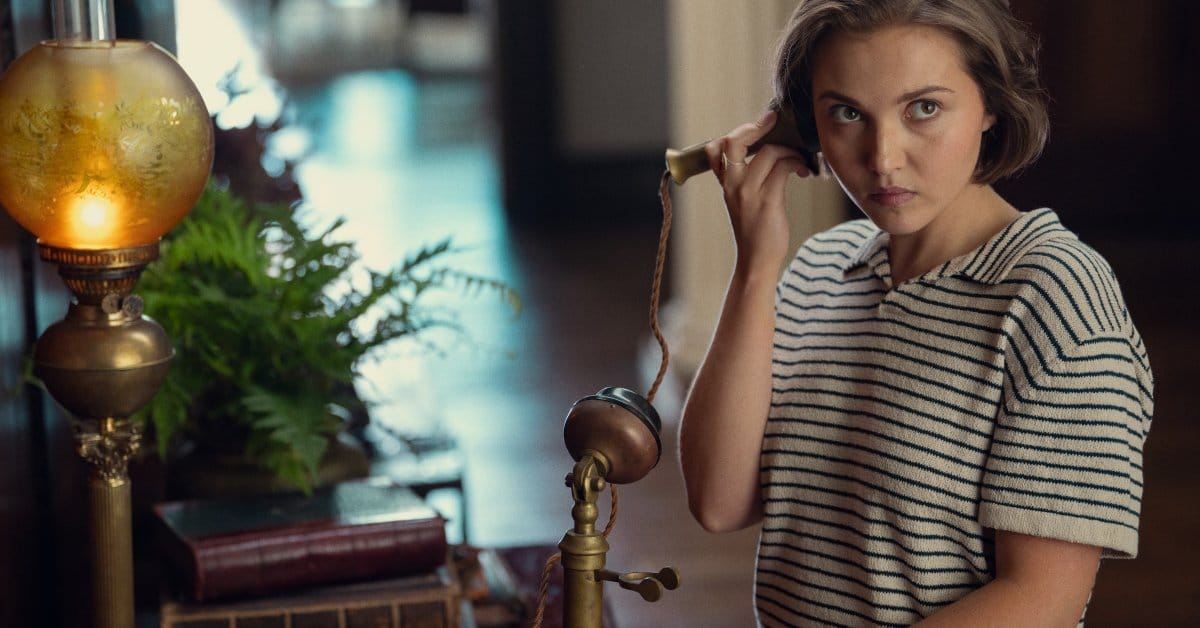
This year, the latest entry into the Christie canon takes a decidedly different approach. Netflix’s new series, Agatha Christie’s Seven Dials, has premiered with the explicit goal of delivering a “cozy mystery on a Netflix budget.” This positioning suggests a lighter touch and a focus on broad entertainment, designed perhaps to appeal to a wider streaming audience looking for comfort viewing rather than intense drama. However, initial reactions from critics indicate a significant disconnect between the series’ intentions and its execution, raising questions about whether this particular adaptation captures the essence of Christie’s intricate plotting and character work.
The Critique: When Cozy Becomes Contrived
The core of the criticism surrounding Seven Dials revolves around its perceived superficiality. One review explicitly questioned the series’ authenticity, asking, “think Downton Abbey is real? This terrible adaptation is for you.” The reference to Downton Abbey highlights a key issue: the risk of prioritizing a nostalgic, aesthetic presentation—the opulent settings, the period costumes, the general atmosphere of British aristocracy—over the meticulous details of the mystery itself. While Downton Abbey excelled as a period drama, applying that sensibility to a complex Christie plot can lead to a show that feels more like a scenic tour than a suspenseful puzzle.
The critique of a “terrible adaptation” suggests that the series fails to honor the source material, a common complaint leveled against streaming services that adapt classic literature for a modern audience. When a series is described as being built on a “Netflix budget,” it can imply a production that prioritizes efficient, streamlined storytelling over the slow-burn complexity and character development that define many of Christie’s best works. The result, according to these initial reviews, is a production that feels cheapened, relying heavily on a familiar genre formula rather than innovative adaptation.
From Postwar Grief to Pop Culture Happy Hour
The shift in tone from recent, somber Christie adaptations is stark. Previous series and films have often delved into the deep-seated anxieties of post-World War I or II Britain, using Christie’s mysteries as vehicles for exploring themes of trauma, class division, and moral ambiguity. These adaptations often aimed to challenge the perception of Christie’s world as merely quaint and pleasant, revealing the darkness that lay beneath the surface of polite society.
In contrast, Seven Dials appears to embrace a lighter, more escapist identity. The description of it being discussed on “Pop Culture Happy Hour” reinforces its positioning as accessible, mainstream entertainment, rather than high-brow, prestige television. This shift reflects a strategic choice by Netflix to produce content that resonates with a broad audience seeking comfort and familiarity. The “cozy mystery” genre, in particular, has seen a resurgence in popularity on streaming platforms, offering narratives where the world is ultimately restored to order, and good triumphing over evil provides a sense of reassurance.
Adapting the Twisty Ending
One of the central challenges in adapting Agatha Christie is translating her complex plotting and “twisty endings” for an audience that may already be familiar with the source material or has become more sophisticated in identifying mystery tropes over time. The input mentions a focus on “Breaking Down The Twisty Ending of Agatha Christie’s Seven Dials,” suggesting that the resolution is a major talking point for viewers. In the original novel, The Seven Dials Mystery, the plot begins with a seemingly harmless prank that quickly escalates into a complex conspiracy involving a secret society.
For a modern adaptation to succeed, it must balance fidelity to the source material’s intricate mechanisms with the need to surprise contemporary audiences. The criticism that the new series is a “terrible adaptation” suggests that this balance was not struck effectively. It could indicate that the twists feel unearned, the character motivations are simplified, or the pacing of the mystery is sacrificed in favor of the aesthetic appeal, resulting in a show that fails to satisfy those looking for a truly clever puzzle.
The Legacy of Christie on Streaming Platforms
The ongoing cycle of Agatha Christie adaptations highlights a broader tension between classic literature and modern streaming sensibilities. While streaming platforms like Netflix offer vast resources for production, they often operate under different priorities than traditional broadcasters. The desire to create binge-able content that appeals to global audiences can lead to adaptations that streamline complex narratives, sacrifice nuance for pace, and prioritize visual spectacle over character depth.
The critical reception of Seven Dials serves as a cautionary tale within this landscape. It underscores that while the name Agatha Christie guarantees interest, the success of the adaptation depends entirely on its ability to transcend the superficial trappings of a period piece and delve into the human elements of the mystery. The ongoing debate surrounding this series—whether it’s a nostalgic failure or a new cozy success—ensures that the legacy of Christie will continue to be debated and reinterpreted for years to come, long after the final twist is revealed.