The Netflix Algorithm Kills Again: The Death of Creative Risk
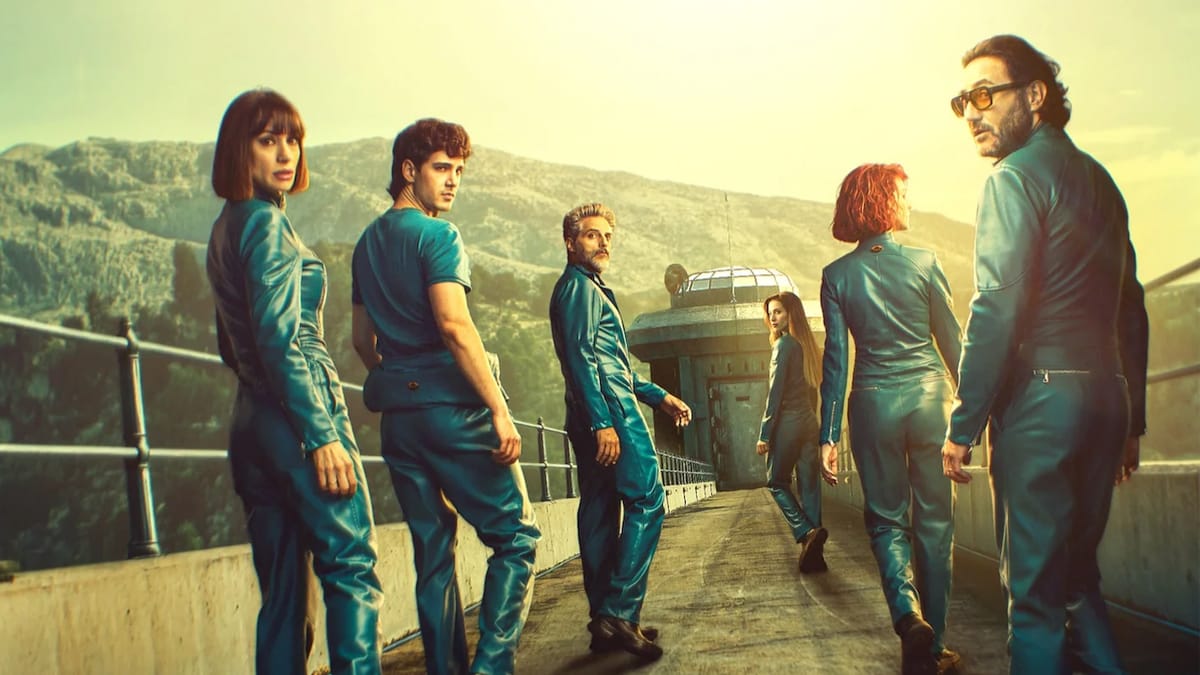
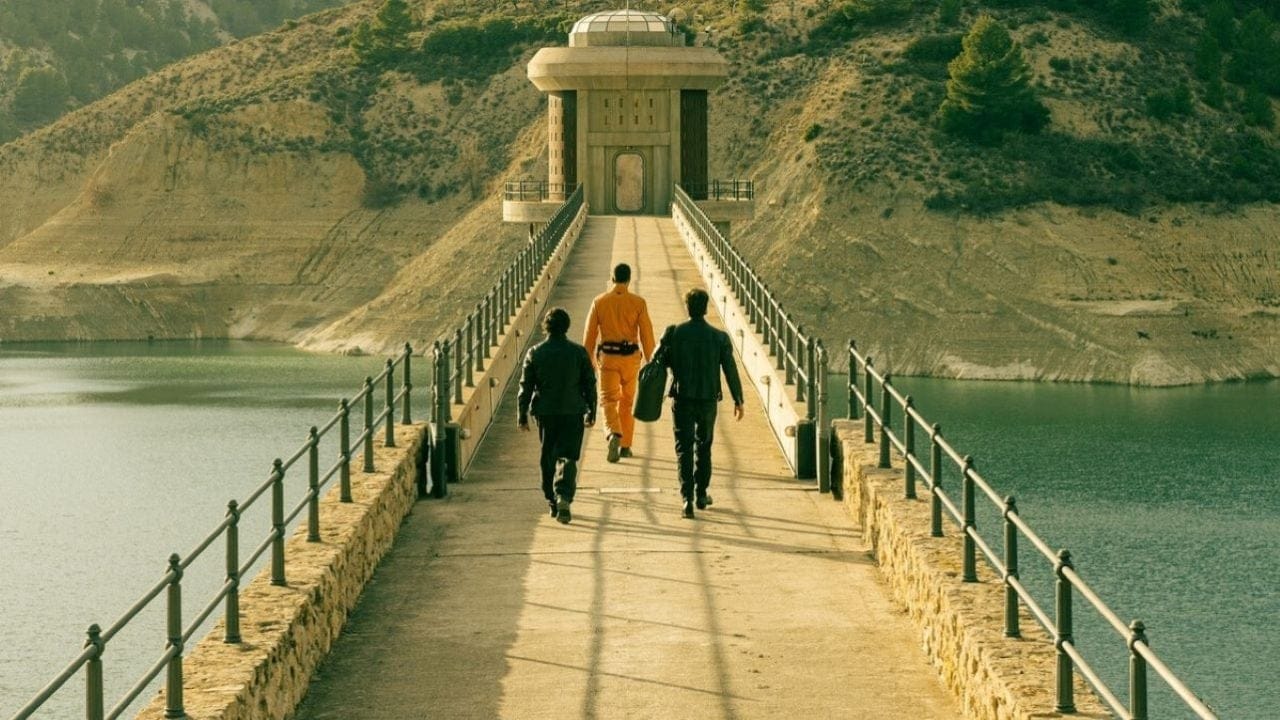
Let’s talk about Netflix. Not the happy-go-lucky streamer that gave us binge-watching and revolutionized television, but the corporate behemoth that’s eating itself alive, desperately trying to prove to Wall Street it’s worth more than the paper-thin, algorithmic garbage it keeps pushing out. Every week, it feels like we get another story about a show getting canceled before the paint even dries, a show that was supposed to be the next big thing, a show that cost millions of dollars, only for Netflix to pull the plug with all the delicacy of a back-alley dentist pulling teeth without anesthesia. This time, it’s particularly offensive. We’re talking about the new project from Alex Pina, the visionary creator behind Money Heist (La Casa de Papel), a global phenomenon that proved non-English language programming could dominate the entire planet. They canceled his new show, Billionaires’ Bunker, just three months after its debut. Three months! This isn’t just bad business; it’s a symptom of a much deeper, more insidious disease infecting modern media, where art and genuine storytelling are sacrificed at the altar of cold, hard data points, leaving behind a creative wasteland that looks a whole lot like a corporate spreadsheet. We used to believe streaming was a new frontier where brave storytellers could challenge the status quo, but instead, it’s just become another factory farm for intellectual property where everything gets culled if it doesn’t immediately yield maximum profit, leaving us all to wonder when this whole house of cards collapses under the weight of its own greed.
The Great Deception: Why Netflix’s Business Model Is Broken
Q: Why did Netflix cancel a show by a successful creator so quickly? Are they stupid, or just greedy?
Let’s not mince words here: Netflix isn’t stupid; it’s just pathologically greedy, and that greed has metastasized into an obsession with immediate returns that completely ignores long-term creative health. The old model of television—the one where a network would nurture a show for several seasons, allowing it to find its audience, build critical acclaim, and eventually become a beloved classic (think The Wire, Seinfeld, or even Breaking Bad, all of which had slow starts)—that model is dead. It’s completely extinct. The new model, the Netflix model, demands that a show be an instant smash hit right out of the gate, generating massive subscriber engagement within the first 28 days of release. If it doesn’t achieve that level of immediate, quantifiable success, if the numbers don’t show enough people ‘completing’ a season (a metric Netflix invented to justify cancellations), then it’s deemed a failure, regardless of artistic merit or critical reception. It’s a ruthless, cutthroat system designed by algorithms that have zero understanding of human connection or the slow burn of quality storytelling. They spent millions on Billionaires’ Bunker, hailing it as a major project from one of their most successful creators, only to decide three months later that it didn’t meet their arbitrary metrics, effectively pulling the rug out from under the very people who built their empire in the first place. This isn’t a strategy for building a lasting entertainment legacy; it’s a strategy for maximizing short-term shareholder value by sacrificing the very thing that made Netflix successful in the first place: quality content that captivates a global audience. They’re just throwing cash at a wall and seeing what sticks, then burning everything that doesn’t immediately ignite, a truly spectacular display of corporate hubris and short-sightedness.
The Death of Creative Risk: The IP Farm Mentality
Q: What does this mean for creators trying to make new things? Is original content dead on arrival?
If you’re a creator looking to make something truly original, truly challenging, or truly meaningful, Netflix is now one of the worst possible places to go. The cancellation of Billionaires’ Bunker, specifically because it comes from a proven hitmaker, sends a chilling message to every other writer, director, and producer out there: your past success means nothing. Your creativity means nothing. All that matters is whether your new show fits perfectly into the algorithm’s predetermined box of ‘safe bets’ and ‘binge magnets.’ The industry used to be about finding unique voices and giving them a platform to grow; now, it’s about finding existing Intellectual Property (IP) that can be exploited for maximum returns with minimum risk. We see it everywhere: endless reboots, prequels, sequels, and cinematic universes that exist primarily to feed the corporate beast rather than to tell a new story. Why greenlight something truly new and risky like Billionaires’ Bunker when you can just crank out another season of Emily in Paris, or another spin-off of Stranger Things, or another reality show about people who are rich and terrible? The creative industry is rapidly becoming an IP farm, where the only thing that matters is milking existing franchises until they are dry, and anyone who tries to plant a new seed is immediately uprooted and tossed aside. This mentality doesn’t just hurt creators; it hurts us, the audience, because we are left with a constant stream of mediocre, formulaic content designed not to inspire thought or emotion, but merely to fill time between scrolling on our phones. It’s a tragedy of the commons, where short-term profit destroys long-term value for everyone involved, except for perhaps the executives who get their bonuses before the whole thing crashes.
Q: Is this just about one show, or a symptom of a bigger problem in the streaming wars?
Oh, it’s absolutely a symptom of a far bigger problem, one that has been brewing ever since the streaming services realized they couldn’t just keep growing exponentially forever. When Netflix started out, they were the disruptor, the underdog challenging cable TV’s monopoly, promising a better way to consume entertainment. They were focused on building a library that kept people subscribed for the long haul. But now, they are the establishment. They are the new cable company, and their business model is crumbling under the weight of market saturation and competition from every other major studio that decided they wanted their own slice of the pie. Disney, Warner Bros., Peacock, Paramount+, Amazon—everyone has a streaming service, and everyone is fighting for a finite amount of disposable income and, more importantly, a finite amount of audience attention. This intense competition has driven up production costs to insane levels, forcing Netflix to be even more ruthless with its content decisions. They are spending billions, and they need instant returns on every single dollar. This pressure means they can no longer afford to take chances on anything that doesn’t immediately become a cultural touchstone. The result? Mass cancellations, a shrinking catalog of truly original content, and a general feeling of malaise as audiences hop from service to service, canceling subscriptions as soon as the ‘hot new show’ is over. The binge model itself is now becoming unsustainable, as people sign up for one month to watch a specific series, then cancel immediately, creating a ‘churn’ rate that terrifies investors. The cancellation of Billionaires’ Bunker isn’t an isolated incident; it’s just another piece of kindling on the bonfire of creative destruction that Netflix has started in its desperate attempt to maintain dominance in a market that’s oversaturated with too many options and too little quality. They are sacrificing everything good to satisfy the beast of quarterly earnings reports. It’s truly pathetic to watch.
Looking Ahead: The Inevitable Death Spiral of Streaming
Q: What is the future of streaming if this continues? Will we go back to cable TV?
Let’s face facts. The streaming industry, as we know it, is in an unsustainable death spiral. The current model, where every major corporation has its own separate streaming service, each charging high prices for a small catalog of content, is simply not economically viable for either the consumer or the producers. We have reached ‘peak streaming,’ and the market is about to correct itself in a very painful way. We are already seeing the signs: password sharing cracking down, price hikes across the board, and the reintroduction of advertisements in premium tiers. It’s exactly what cable TV looked like right before it started to collapse. The cancellation of shows like Billionaires’ Bunker is just one facet of this larger trend where quality is sacrificed for quantity in a desperate attempt to gain market share. What happens next? We will see massive consolidation. The big players will start merging, buying up smaller services, and repackaging bundles. We’re essentially returning to the cable model, but with extra steps and higher prices, where you’ll have to pay for a ‘basic bundle’ and then add on ‘premium channels’ (like ‘Disney+’ or ‘Max’) just to access the specific content you want. The promise of streaming—the freedom to watch what you want, when you want, without commercials—is quickly fading into memory as these corporations consolidate power and squeeze every last drop of profit from their consumers. The streaming landscape will eventually stabilize, but it will look much different, much more expensive, and much less creatively diverse than what was initially promised during the early days of Netflix’s disruption. It’s a cruel joke, really, to watch the same corporate suits who once decried the cable companies now perfectly recreate them, only with slightly different apps and much worse original programming, all in the name of shareholder value.
The Real Villain: Corporate Metrics Over Artistry
Q: Why did this specific show fail? Was it really that bad?
The core issue here isn’t whether Billionaires’ Bunker was good or bad; the issue is that it didn’t immediately catch fire with the specific audience demographics that Netflix’s algorithm prioritizes. The show, helmed by Alex Pina, likely carried a substantial budget due to his prior success, and perhaps it didn’t generate enough completion rates in the first month to justify that cost in the cold calculations of a corporate spreadsheet. The title itself, Billionaires’ Bunker, suggests a critique of the global elite and wealth disparity, a topic that might not always sit well with a streaming service trying to appeal to the broadest possible audience with escapist fantasy. We’re talking about a company that canceled a show about corporate greed (Glow) because it wasn’t performing well enough, even though critics adored it. Netflix wants safe content, predictable content, and content that doesn’t challenge the existing power structure too much, even if a show like Money Heist itself was built on challenging that structure. This cancellation is a direct reflection of a company that has lost its way, prioritizing data over people, and forgetting that the creative process needs time to breathe and evolve. They’re killing the golden goose in search of a quick buck, and in doing so, they are destroying the very foundation of trust they built with their creative partners and their audience. We are watching the slow, agonizing death of creative freedom in streaming, and it’s a tragedy orchestrated by the very people who once championed it. What a waste.