The Anatomy of an Undefeated Mirage: Nebraska’s Fragile Perfection
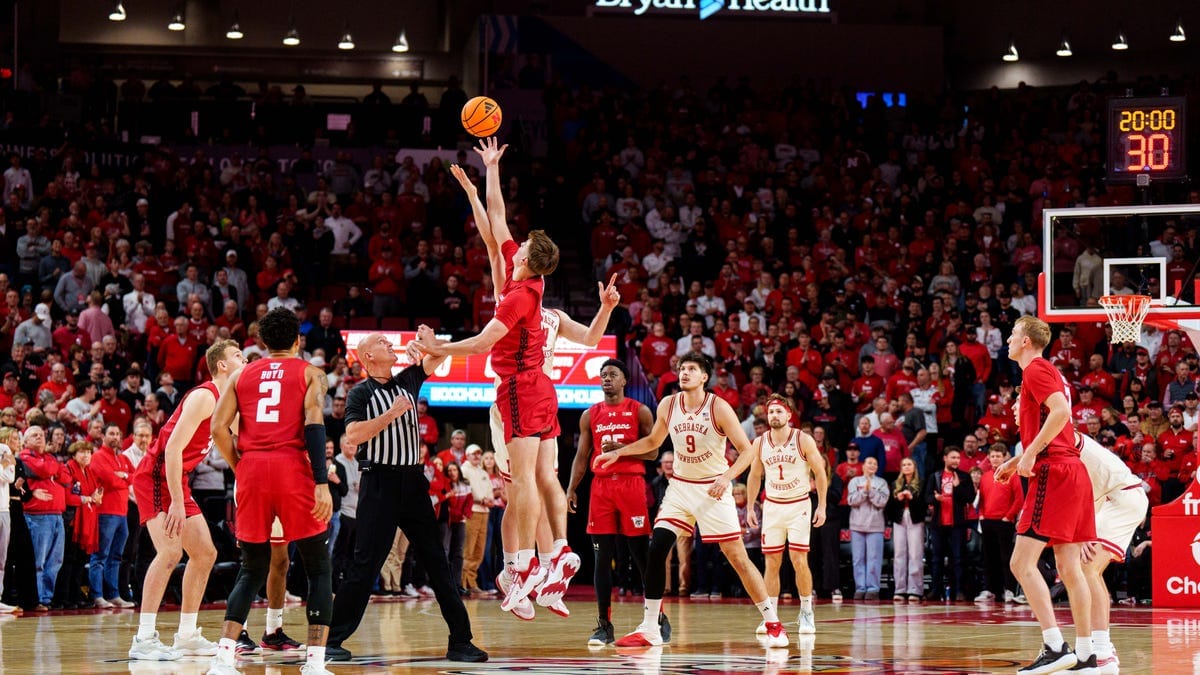
There is nothing quite like the deceptive high of an early-season undefeated record in college sports, particularly when a program, like Nebraska, has spent decades wandering in the wilderness, perpetually searching for relevance. The Cornhuskers’ current 10-0 start to the 2025-26 season has generated a level of excitement in Lincoln that borders on delusional, transforming a team traditionally synonymous with mediocrity into a national storyline for casual observers and a source of genuine hope for a long-suffering fanbase. However, a forensic examination of this pristine record reveals a carefully constructed schedule designed more for confidence-building and rankings manipulation than genuine preparation for the brutal gauntlet that defines the Big Ten conference. It is, in essence, a facade, and the upcoming matchup against No. 13 Illinois is the designated moment when this entire structure is scheduled to crumble.
When you peel back the layers of Nebraska’s seemingly pristine 10-0 record, what you find is less a testament to dominance over quality competition and more a skillfully orchestrated sequence of non-threatening engagements against opponents who are, by any objective measure, far below the competitive threshold of a Power Five conference. The Huskers’ strength of schedule, or lack thereof, has allowed them to inflate their statistics, refine their rotations, and build a sense of invincibility without ever truly facing adversity. A soft-serve schedule. They haven’t been punched in the mouth yet, not really. This strategy is not unique to Nebraska; it’s a common practice in modern college athletics where initial rankings, and thus media attention, are often prioritized over true competitive preparation. The problem, of course, is that the Big Ten does not operate on goodwill or calculated scheduling; it operates on pure, unadulterated competitive force, where every night out is a physical and mental war. This upcoming game in Champaign is not just another game; it’s the moment the training wheels come off, and Nebraska is about to find out exactly how fast the bike can go when it hits a real incline.
The Illinois Litmus Test: Where Reality Bites
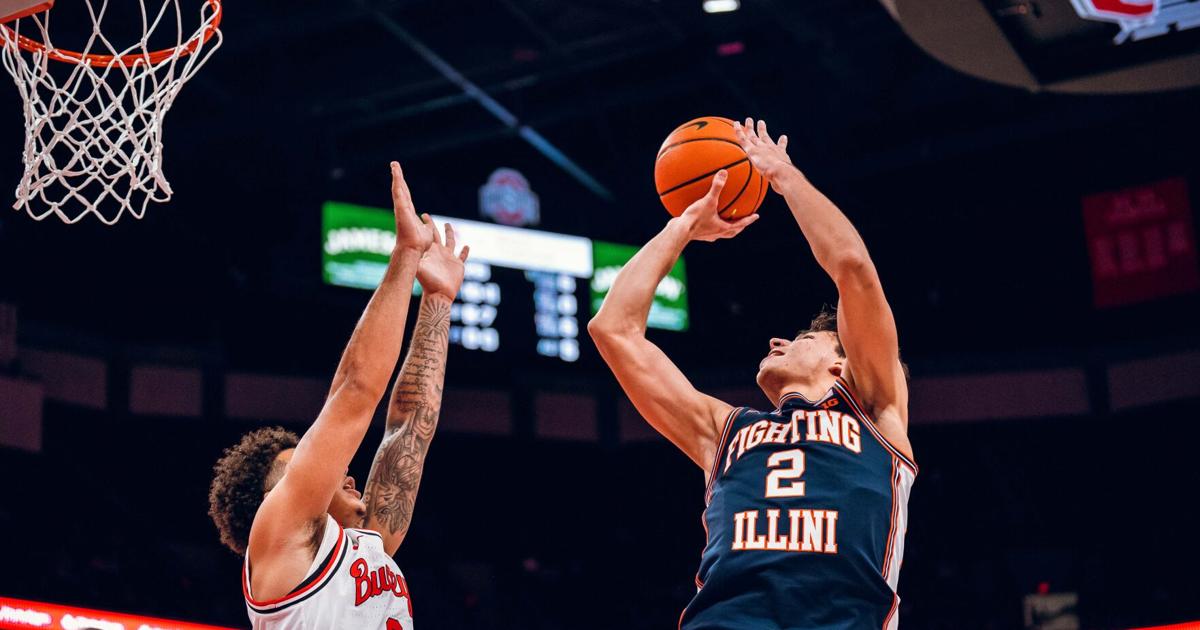
The transition from non-conference play to the Big Ten schedule is often jarring, a sudden shift from comfortable wins against mid-majors to nightly struggles against teams loaded with future professionals and coached by some of the most tactically astute minds in basketball. For Nebraska, this transition begins abruptly against an Illinois team that, despite its own early-season hiccups, presents a fundamentally different challenge than anything the Huskers have encountered so far. Illinois possesses a combination of size, depth, and veteran leadership that is simply in a different weight class than the teams Nebraska has feasted upon. The key area of concern for Nebraska’s sustainability is their reliance on perimeter shooting and fast breaks, two elements that will be neutralized by Illinois’s disciplined defense and ability to control the tempo. When the game slows down, which it almost certainly will, Nebraska’s lack of true interior presence and depth issues will become glaringly obvious.
The Huskers’ previous victories were built on outrunning and outgunning smaller, less athletic teams. Illinois, however, is built for the grind. The Illini have demonstrated a capacity to win ugly, to slow the pace to a crawl and dominate in the paint, controlling both offensive and defensive rebounding. This is where Nebraska’s statistical advantages, garnered during their 10-game winning streak, become meaningless. The statistics show Nebraska has been effective; the logical analysis reveals a lack of true testing. A deep dive into their metrics shows a reliance on high turnover rates from opponents, something Illinois is less prone to allow. The question for Nebraska isn’t whether they can score in transition; it’s whether they can score effectively when Illinois forces them into a half-court, possession-by-possession battle. If history is any indicator, the answer is a resounding ‘no,’ and this game serves as the first real test of whether this team can handle genuine pressure. The expectation is not that Nebraska will lose; it’s how badly they will expose their own vulnerabilities when they finally encounter a real opponent.
This situation is reminiscent of many teams in recent history who have built up a false sense of security during a weak non-conference schedule, only to be immediately humbled by the rigors of conference play. The psychological impact of losing this first major test cannot be overstated. A significant loss here doesn’t just damage their record; it shatters the confidence built over two months and forces a team to reckon with the reality that their ‘perfection’ was an illusion. The narrative will shift instantly from ‘Nebraska is back’ to ‘Nebraska is exactly who we thought they were,’ a harsh truth that will define their season more than any previous win.
Historical Context and Future Implications: The Big Ten Grinder
The Big Ten conference is not merely a collection of basketball teams; it is a meat grinder of parity where no win is guaranteed and every road game is a potential landmine. For Nebraska to believe that their undefeated non-conference streak somehow entitles them to a new standing in the conference hierarchy is to ignore decades of precedent. The historical context of Nebraska basketball, while a source of pride for its loyal fanbase, also serves as a stark reminder of the program’s struggles to maintain consistent success at the highest level. The current ranking, while exciting, feels more like a temporary blip than a structural shift, and Illinois is simply the first team in a long line ready to remind them of their place in the pecking order.
The implications of this game extend beyond just the immediate rankings. This matchup is a critical piece of data for bracketologists and selection committees, establishing whether Nebraska is truly a tournament-level team or merely a bubble contender. A win here would legitimize their entire season; a loss, especially a decisive one, will immediately put them on a path where they must scramble for every subsequent victory just to get back into the conversation. The reality for Nebraska fans, however difficult to accept, is that this team has not proven anything yet. They have simply avoided true challenges. Illinois, with its established program and superior metrics, represents the true starting line for the Big Ten season. Everything that came before was essentially pre-season exhibition. When the lights turn on in Champaign, Nebraska’s undefeated record will be exposed for what it truly is: a statistical anomaly built on a weak foundation. The question is not if the streak ends, but rather when the reality check arrives. It’s time to find out if they can actually play with the big boys. The answer is probably no.