Contextual Analysis: The Fatal Encounter and the Spark of Unrest
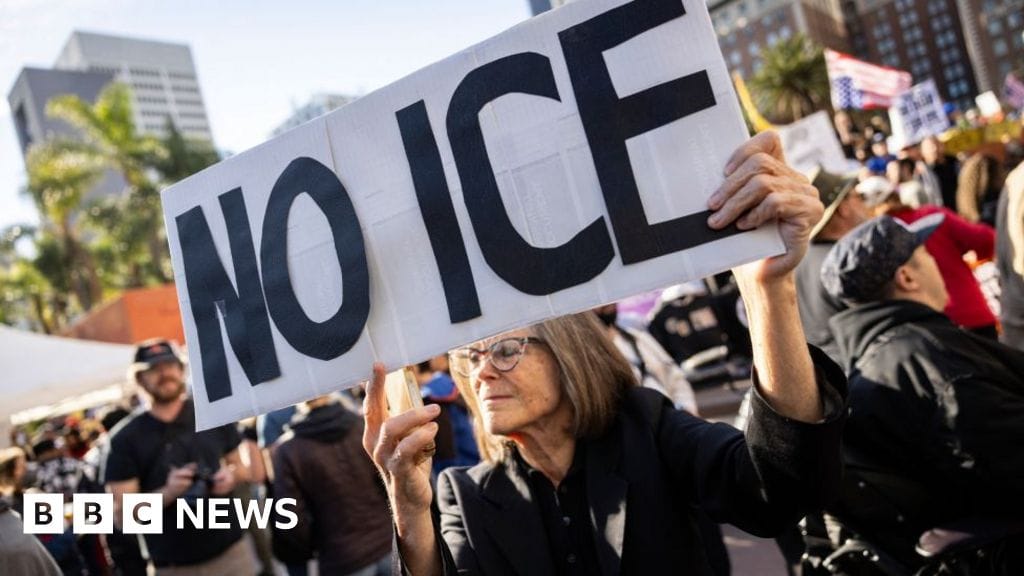
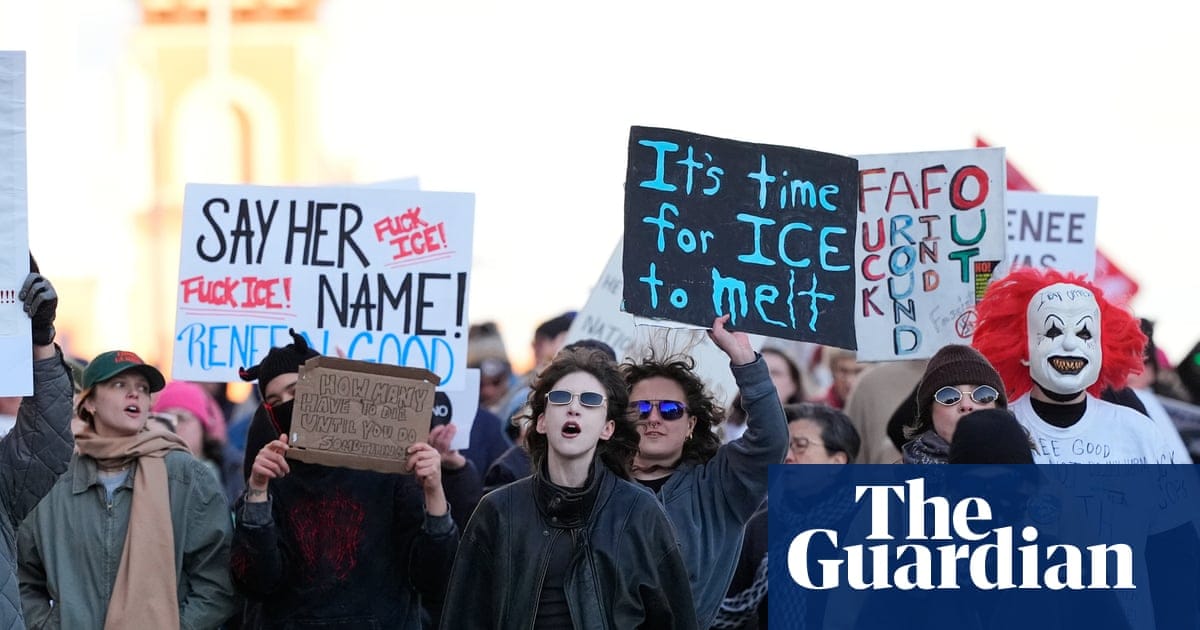
The death of Nicole Renee Good at the hands of Immigration and Customs Enforcement (ICE) has ignited a volatile wave of civil unrest across the United States. In Minneapolis, a city already etched into the global consciousness as a center for social justice movements, the situation reached a breaking point on Saturday night. Thousands of marchers flooded the streets, turning a memorial for Good into a massive demonstration against federal immigration enforcement tactics.
As the evening progressed, the peaceful nature of the gathering shifted toward a more confrontational atmosphere. Local law enforcement reported dozens of arrests as protesters clashed with security perimeters. Amidst the chaos, at least one police officer sustained injuries, highlighting the precarious nature of the current security landscape. The incident involving Renee Good has become a focal point for long-standing grievances regarding the limits of federal authority and the use of lethal force in immigration operations.
Why This Matters: The Intersection of Federal Policy and Civil Rights
This event matters because it represents a critical collision between federal law enforcement protocols and local community safety. When an agency like ICE—which operates under the Department of Homeland Security—is involved in a lethal shooting on city streets, it creates a jurisdictional and moral friction that resonates far beyond the immediate location of the incident. The death of Renee Good is not being viewed merely as a singular tragedy, but as a symptom of a broader, systemic issue involving how federal agents interact with the public they are sworn to protect.
The political response has been swift and deeply divided. Two members of Congress were granted access to view the video footage of the shooting, a move intended to provide transparency. However, the result was a stark display of the country’s polarized reality. One congressman emerged from the viewing with absolute certainty regarding the events depicted, while the other remained unconvinced of the official narrative. This discrepancy suggests that the video evidence, rather than providing clarity, may become another battleground for narrative control, complicating the path toward a unified legislative response.
Connecting to Broader Trends: The Evolution of Social Unrest
The protests in Minneapolis and the more than one thousand demonstrations held nationwide follow a trajectory of increased public scrutiny of law enforcement. We are seeing a trend where localized incidents involving federal agencies are instantly nationalized through digital media and grassroots organizing. The speed at which the ‘Trump news at a glance’ reports reached the public reflects an era of hyper-acceleration in news cycles, where the death of an individual can trigger a nationwide movement within hours.
Furthermore, the involvement of ICE adds a layer of complexity regarding immigration reform and human rights. Unlike local police departments, which are often subject to municipal oversight and civilian review boards, ICE operates under a different set of federal mandates. The current protests are a demand for the same level of accountability for federal agents that the public has been demanding of local officers over the last several years. This movement signifies a broadening of the social justice scope to include the dismantling or radical restructuring of federal enforcement agencies.
A Look Ahead: Legislative Accountability and Judicial Review
As the nation grapples with the fallout of the Renee Good shooting, the focus will likely shift from the streets to the halls of power. There will be increased pressure on the administration to release the full, unedited video footage to the public to resolve the conflicting accounts provided by the two congressmen. The transparency of this process will be a litmus test for the Department of Homeland Security’s commitment to accountability.
In the coming months, we should expect a surge in legislative proposals aimed at reforming the use-of-force policies within federal agencies. There is also the potential for significant legal challenges to the immunity often granted to federal agents. If the protests continue to grow in scale, the economic impact on urban centers and the strain on local law enforcement budgets may force a bipartisan dialogue on how to de-escalate the burgeoning conflict between federal enforcement goals and the civil liberties of the population. The case of Nicole Renee Good may very well be the catalyst for the next major shift in American civil rights law.
The Impact on Public Discourse
The discourse surrounding this event is indicative of a deeper cultural rift. The fact that two lawmakers can watch the same footage and arrive at opposite conclusions speaks to a fundamental breakdown in the shared perception of reality. As long as the facts of the Renee Good case are filtered through partisan lenses, the likelihood of finding a peaceful resolution remains slim. The public’s trust in institutions is at a low ebb, and incidents like the Minneapolis protests are the physical manifestation of that erosion of confidence.
The role of the media in the days ahead will be crucial. It is imperative to distinguish between the documented facts of the shooting and the ideological interpretations that follow. As more information emerges about the specific circumstances leading up to the encounter between Good and ICE, the narrative will undoubtedly evolve. However, the core issue—the life of a woman ended during a federal operation—will remain the centerpiece of a national debate that is far from over.
Strategic Implications for Law Enforcement
Federal agencies must now contend with a public that is better organized and more vigilant than ever before. The logistical challenge of managing nationwide protests while continuing to fulfill enforcement mandates puts a significant strain on resources. For ICE, the death of Renee Good is a catastrophic failure of public relations that may lead to restricted operational capabilities if local jurisdictions decide to further limit their cooperation with federal immigration authorities.
The safety of officers on the ground also becomes a primary concern. The injury of a police officer in Minneapolis is a grim reminder that when tensions are high, the risk of violence increases for everyone involved. Moving forward, the emphasis must be on de-escalation and the rebuilding of community ties, though such a path seems increasingly difficult in the current political climate. The legacy of Renee Good will be defined by whether her death leads to meaningful reform or continued cycles of violence and protest across the American landscape.