A TASTE OF CONCERN: NATIONWIDE CHOCOLATE RECALL ISSUED
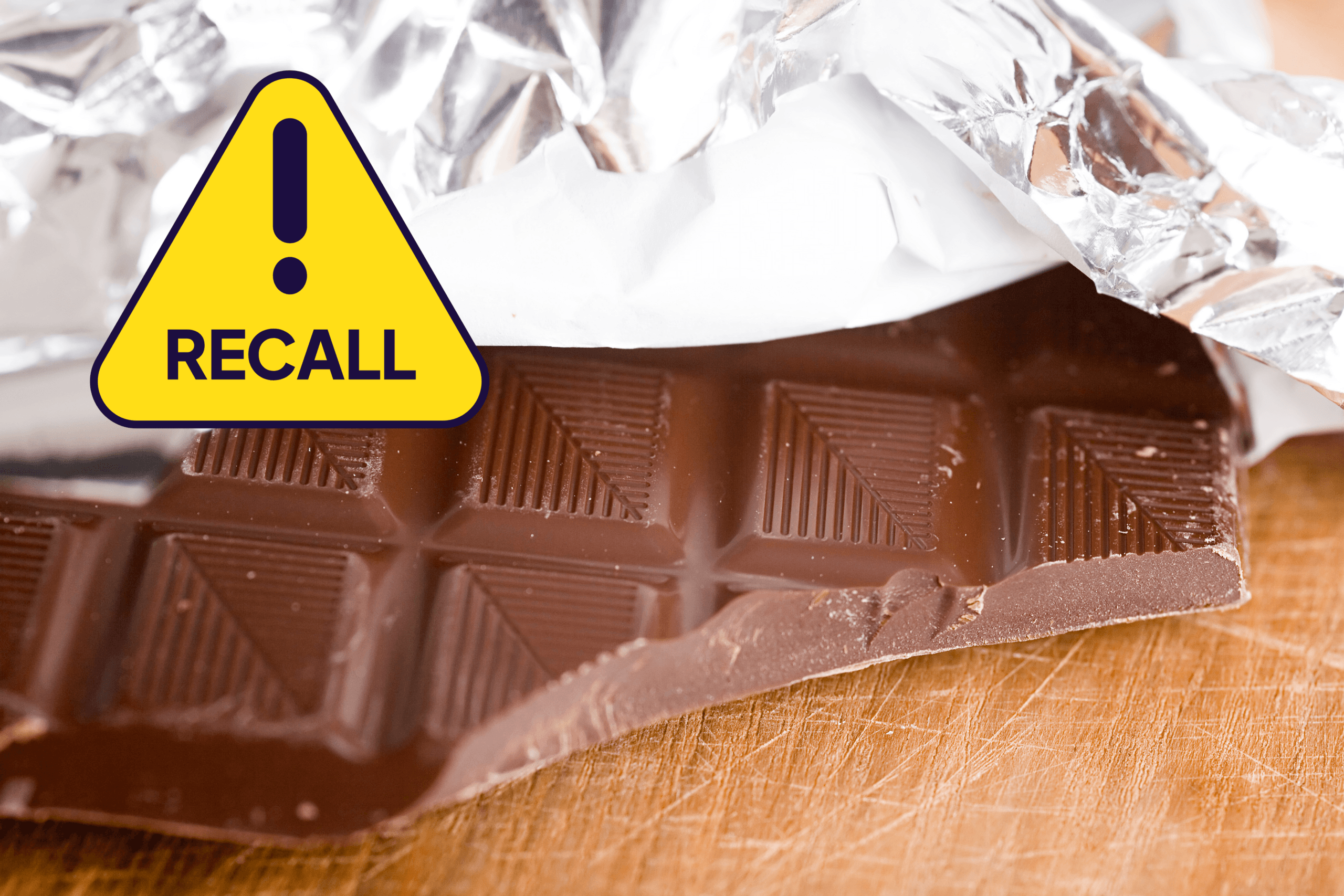
The sweet comfort of a chocolate bar, a simple indulgence for many, has taken a sour turn. Across the nation, consumers may find themselves checking their pantries and store shelves with a newfound caution. The U.S. Food and Drug Administration (FDA) has announced a significant recall affecting chocolate bars sold nationwide, a move prompted by the discovery of potential Salmonella contamination.
This development, revealed on January 13, 2026, stems from routine testing procedures. While the specifics of the chocolate bar brand and manufacturer were not immediately available in the initial report, the scope of the recall—nationwide—underscores the widespread potential impact on consumers and retailers alike.
Understanding the Salmonella Threat
Salmonella is a group of bacteria known for causing salmonellosis, an illness that can range from mild to severe. Symptoms typically include diarrhea, fever, and abdominal cramps, often appearing between six hours and six days after infection and lasting four to seven days.
While most individuals recover without specific treatment, salmonellosis can be particularly dangerous for young children, the elderly, pregnant women, and individuals with weakened immune systems. In severe cases, the infection can spread from the intestines to the bloodstream and then to other body sites, potentially becoming life-threatening if not promptly treated with antibiotics.
The presence of Salmonella in food products is a serious public health concern. Regulatory bodies like the FDA conduct rigorous testing to identify potential hazards in the food supply chain, aiming to prevent outbreaks before they occur.
The Recall Process: A Public Health Imperative
When a potential contamination is identified, the recall process is initiated to remove the affected products from the market swiftly. This involves manufacturers, distributors, and retailers working in conjunction with the FDA.
Consumers are advised to look for specific details on product packaging, including expiration dates and batch codes, which are crucial for identifying whether their purchase is part of the recalled lot. Information regarding the exact products affected is typically disseminated through official FDA channels, company websites, and media alerts.
The FDA’s role in such situations is to safeguard public health by ensuring that contaminated food does not reach consumers. Their actions, though sometimes leading to concern, are a vital part of a system designed to keep the food we eat safe.
Navigating the Aftermath: Consumer Guidance
For those who may have purchased chocolate bars that are part of this recall, the guidance is clear: do not consume the product. Instead, consumers are typically advised to discard the items safely or return them to the place of purchase for a refund.
The inconvenience and potential disappointment of a recalled product are secondary to the importance of preventing illness. This incident serves as a reminder of the complex journey food takes from production to our tables and the unseen measures in place to ensure its safety.
As more details emerge regarding the specific brands and products affected by this nationwide recall, consumers are encouraged to stay informed through official sources. The swift action taken by the FDA and the manufacturers involved reflects a commitment to public health and food safety.
“The health and safety of our consumers are paramount. We are cooperating fully with the FDA and are taking all necessary steps to address this situation promptly and effectively.”
This statement, though hypothetical for this particular recall, echoes the sentiment often expressed by companies during such events. It highlights the shared responsibility between regulators and industry to maintain the integrity of the food supply and protect consumer well-being from potential threats like Salmonella contamination.
The incident underscores the continuous need for vigilance in food production and distribution. From the farm to the factory to the grocery store, multiple checkpoints are designed to catch potential hazards. However, as this recall illustrates, the system is not infallible, and proactive measures, such as routine testing, play a critical role in identifying and mitigating risks.
Consumers, too, play a part in food safety. Being aware of recall notices, checking product labels, and understanding the importance of proper food handling at home all contribute to a safer food environment. In this instance, the potential for Salmonella in a beloved treat prompts a broader conversation about the unseen efforts that go into ensuring the safety of the foods we enjoy every day.
The nationwide scope of this recall means that individuals across the country may need to take action. It serves as a potent reminder that even familiar and seemingly innocuous products can carry unseen risks.
Looking Ahead: Strengthening Food Safety
Incidents like this fuel ongoing discussions about enhancing food safety protocols. The FDA continually reviews and updates its regulations and testing methodologies to keep pace with evolving challenges in the food industry.
Manufacturers are also under pressure to maintain the highest standards of quality control and hygiene throughout their production processes. Investment in advanced detection technologies and rigorous internal testing are becoming increasingly important to prevent contamination before it becomes a widespread issue.
The transparency and speed with which such recalls are communicated to the public are also crucial elements of effective food safety management. Clear, concise, and timely information empowers consumers to make informed decisions and protect themselves and their families.
While the immediate concern is the removal of potentially contaminated chocolate bars, the long-term impact of such events often leads to improved practices and a reinforced commitment to food safety across the industry. The aim is always to ensure that the next chocolate bar enjoyed is not just delicious, but also unequivocally safe.