The Wilderness Isn’t Your Friend: The Price of Playing Nice with Apex Predators
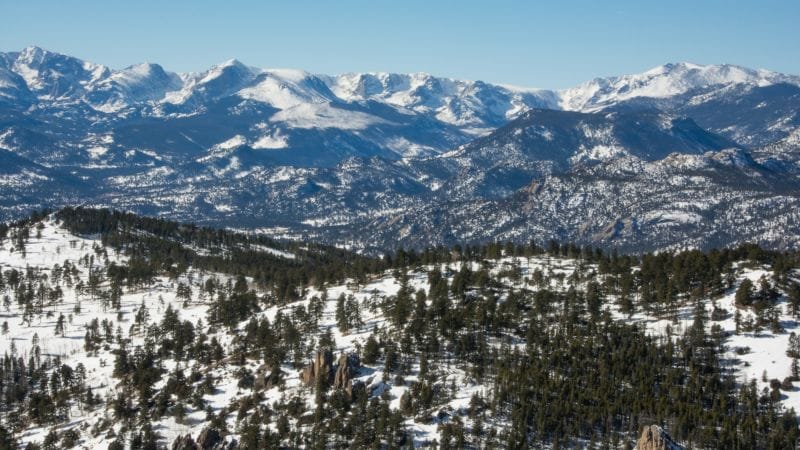
It was only a matter of time. We’ve been living in a fool’s paradise for decades, convinced that human sprawl and nature could just hold hands and sing Kumbaya. The recent fatal mountain lion attack on the Crosier Mountain trail (a place that used to feel safe, by the way) isn’t just a tragic accident; it’s the writing on the wall for every hiker, runner, or homeowner living on the edge of the wild.
Let’s not sugarcoat this, because the official reports certainly will. They’ll trot out the tired line about how rare this is, how it’s the first fatal attack in Colorado since 1999. Do you know what that means? It means the 25-year cycle of peace, built on dwindling populations and human avoidance, has just broken. The predator population has rebounded, their fear of humans has diminished, and the game has fundamentally changed. The wilderness, it turns out, really wants its territory back, and we are paying the price for our delusional sense of security.
The Myth of Coexistence: When “Cubs” Become an Excuse
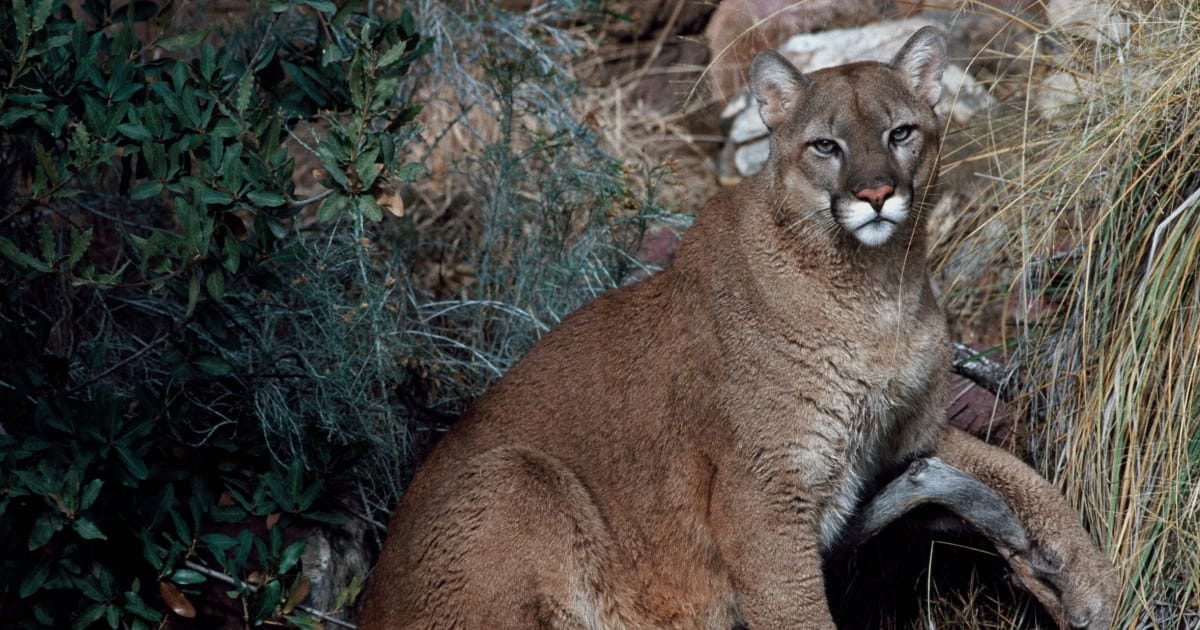
Every time something like this happens, the environmentalists come out of the woodwork to explain away the predator’s actions. “She was probably protecting her cubs.” “He was old or starving.” “The human made a mistake.” Let me be clear: a predator is a predator. It hunts to survive. When a mountain lion, or a cougar, or a puma—whatever you want to call this highly effective killing machine—is cornered or hungry, it doesn’t care about your good intentions or your right to hike on public land. The idea that we can peacefully share these spaces without a clear line of demarcation is a dangerous fantasy.
The truth is, we have conditioned these animals to view us as less of a threat over time. We’ve replaced a healthy fear of humans with a calculated risk assessment, especially as our housing developments creep further into their hunting grounds. We leave our dogs outside, we feed deer in our yards (which, by the way, are mountain lion fast food), and we hike alone with earbuds in, oblivious to the fact that we look exactly like easy prey to something stalking in the brush just feet away. The Crosier Mountain incident highlights this perfectly: a woman hiking alone in a popular area. This isn’t just bad luck; it’s a failure to recognize a basic biological truth: if you look like prey, you will be hunted.
The Escalation of Risk: The New Normal for Hikers
We need to stop talking about “rare occurrences” and start talking about a trend. For years, we’ve seen an increase in sightings in urban areas, in parks, and near homes. They’re getting bolder. They’re getting closer. This attack in Colorado isn’t an isolated event; it’s the culmination of years of increasing human-wildlife conflict that’s been bubbling just beneath the surface. When a mountain lion is desperate, whether due to habitat destruction, a lack of natural prey, or just sheer opportunism, it will attack. The ‘rules’ we thought existed—like mountain lions only go after small children or pets—are being broken. An adult human, a person in full view, was taken down. This changes everything for the hiking community.
What’s next? Will we start seeing kill zones designated in national parks? Will the government finally be forced to cull populations to keep people safe? Or will we continue to prioritize the aesthetic of a “wild” experience over the safety of actual human beings? The answer, I fear, is the latter. Officials are already scrambling to reassure the public that everything is under control, that this was a fluke. But the statistics tell a different story. If you look at the increasing number of encounters nationwide, it’s not just a statistical anomaly; it’s a pattern of escalation. The next attack could be in your backyard.
Don’t Trust the Experts (They’re Just Protecting Their Funding)
Let’s talk about the official response. Every state, every park, every government agency has a vested interest in keeping tourism dollars flowing. They don’t want you to be afraid. They want you to believe that if you just make some noise, carry bear spray (as if a cougar cares about a little spicy mist when it’s truly hungry), and don’t hike alone, everything will be fine. This is pure propaganda. They are pulling the wool over your eyes to protect their bottom line.
The fact is, a mountain lion can close a distance of 100 yards faster than you can draw a weapon, let alone deploy a spray canister. They are ambush predators, designed for stealth and lethal efficiency. The idea of making yourself look big and yelling at a creature that outweighs you and is built purely to kill is frankly absurd. We are playing a game with rules that we invented, and the animals are playing by their rules—the rules of survival. When you’re in their territory, you are not an observer; you are potential prey. The only way to win this game is not to play it play at all, or to change the rules dramatically in our favor.
Predictions: The Inevitable Future of Human-Predator Conflict
The Crosier Mountain trail incident is just the beginning. I predict that over the next five to ten years, we will see a significant increase in mountain lion attacks, especially in areas where human development continues to infringe upon natural habitats. Here’s why:
- Increased Habituation: As more humans move into these areas, the mountain lions grow accustomed to our presence. The fear response, which kept us safe for generations, is fading. This is the single most dangerous factor at play.
- Prey Fluctuations: Deer and elk populations—the primary food source for mountain lions—can fluctuate due to disease, hunting pressure, or environmental changes. When the natural food source runs low, the mountain lions will turn to the easiest available option, which often means livestock or humans.
- Government Inaction: The current political climate favors conservation over population control. Until a large number of human lives are lost, politicians will continue to stall on implementing aggressive management strategies. The cost of a few human lives is considered acceptable collateral damage for maintaining a certain environmental balance.
The solution isn’t complicated, but it’s politically unpalatable. If we truly want to keep people safe, we must stop allowing human expansion into these fragile ecosystems. We must also reconsider our approach to predator management. The current policy of minimal intervention isn’t working. It creates a vacuum where predators become bolder and more desperate, ultimately leading to tragedies like the one in Colorado. We are sacrificing human safety on the altar of environmental idealism.
A Cold Dose of Reality: Stay Indoors or Be Prepared
For those living near the mountains, this isn’t about hiking. It’s about daily life. It’s about letting your kids play in the yard. It’s about letting your dog out at night. The safety protocols for mountain lion country have officially changed. The risk profile is too high. If you choose to hike, you are accepting the risk of being hunted. You must be prepared to defend yourself, not just wave your arms around and hope for the best. This isn’t a fairy tale where the animals are friendly and welcoming; this is the real world, and a woman just paid the ultimate price for believing in the myth of coexistence. The peace is over, folks. It’s time to choose: safety or sentimentality. Choose carefully, because the mountains are hungry, and they don’t care about your good intentions.