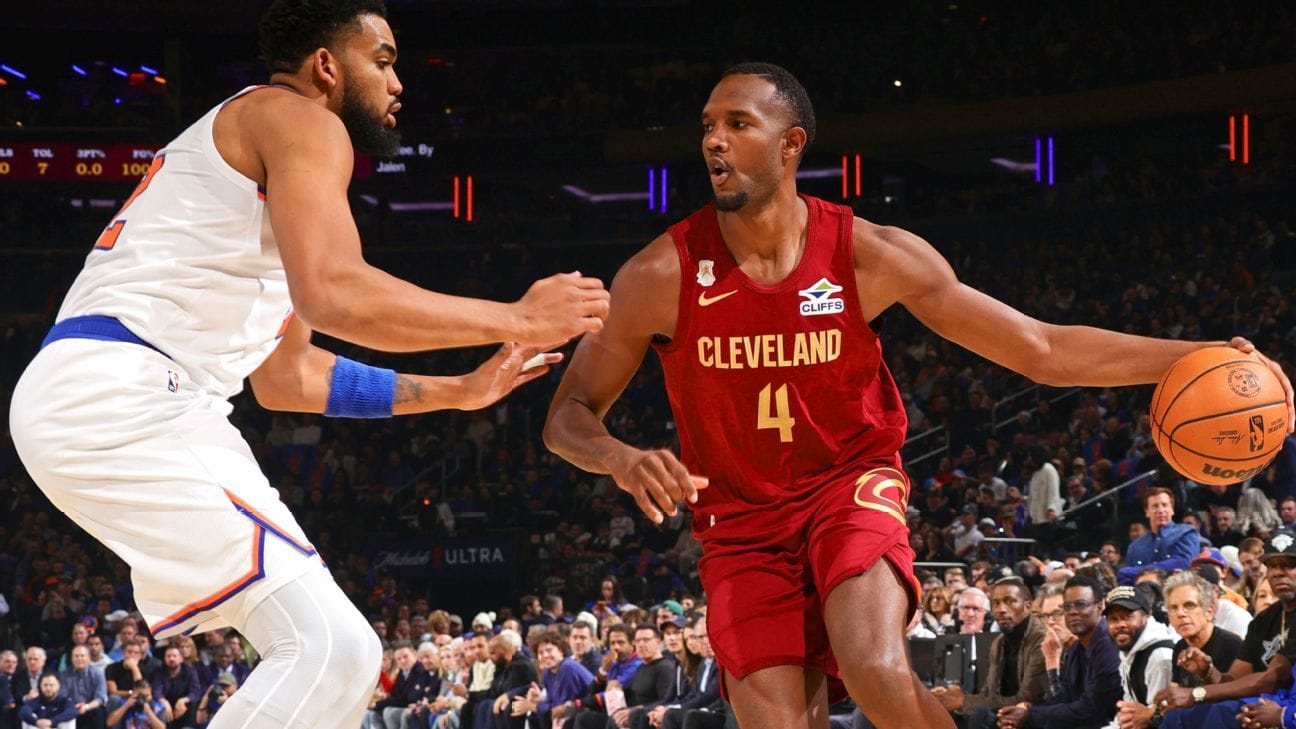
The Anatomy of a System Failure
Let’s cut through the sanitized press release nonsense. Evan Mobley’s calf strain isn’t just bad luck. It’s not a random ‘oopsie’ in the middle of a grueling season. It’s a system failure. It’s the sound of the machine grinding a cog to dust, a predictable result in an environment where human beings are no longer treated as organic entities with natural limits, but as variables in a complex algorithm designed for peak efficiency at all costs.
The Illusion of Optimization
We are constantly fed this narrative that modern sports analytics, advanced training techniques, and meticulous ‘load management’ are somehow protecting these athletes. That technology and data collection are creating a safer, more sustainable environment. It’s a lie. The opposite is true. The relentless pursuit of optimization, the quest to wring every possible drop of performance out of a player’s body by meticulously tracking every step, every jump, every minute of sleep, actually makes them more fragile. Mobley, like countless others before him, is simply the latest casualty in this dystopian experiment. The data-driven approach to human performance doesn’t prevent injuries; it creates a new type of stress that the body simply cannot sustain over the long haul. The focus shifts from holistic health to numerical outputs, treating the athlete’s body like a debugging process for code that was never meant to be perfect in the first place. You can measure everything, from calorie intake to muscle twitch speed, but you can’t measure the human cost of turning a person into a commodity.
The Cavalier Conundrum: A Glimpse into the Future
Look at the Cleveland Cavaliers as a case study. They’ve been plagued by injuries. Mobley is now sidelined for two to four weeks, joining other key figures who have been in and out of the lineup. The ‘next man up’ mentality isn’t a rallying cry for resilience; it’s a confession that the team operates like a high-end manufacturing plant, where broken parts are simply replaced off the shelf with minimal disruption to the assembly line. The very idea that three other players must now ‘step up’ confirms the interchangeable nature of these athletes in the eyes of the organization. Mobley’s absence isn’t seen as a loss of a human element, but as a reduction in asset value. The team isn’t thinking about his pain; they’re calculating the decrease in their win probability percentage, the shift in their playoff seeding algorithm, and the impact on their future trade value projections. The human element has been fully outsourced to the spreadsheet.
The Data-Driven Meat Grinder
Let’s talk about the specific injury: a Grade 1 left calf strain. This isn’t a catastrophic, one-off event like a torn ACL. This is a strain, a symptom of overuse, fatigue, and systemic stress. It’s the classic failure mode of a system that demands maximum output while ignoring the body’s natural need for rest and recovery that cannot be quantified in a data dashboard. The NBA season itself is a grind. The travel, the schedule, the media obligations, and now, the added pressure of constant algorithmic optimization. The data nerds promised a utopia where performance could be maximized without risk. They promised that through tracking devices, diet plans generated by AI, and personalized training regimes, the body could transcend its inherent limitations. The reality is that the human body is pushing back against this technological overreach, breaking down under the pressure of being treated as a product rather than a person. The injury itself, a minor tear in the calf, symbolizes the cracking facade of a system built on unsustainable promises.
The Commoditization of Human Talent
Mobley is not a person; he is an asset. He has a market value, a projected future earnings curve, and a ‘shelf life’ that is meticulously tracked by data analysts. When he gets injured, his value decreases, not just for the immediate term, but potentially long-term if these issues recur. The current narrative focuses on the immediate impact on the Cavs’ performance—how other players (like Jarrett Allen, Darius Garland, and even the recently returned Donovan Mitchell) must now pick up the slack. This ‘next man up’ philosophy is cold and calculating. It suggests that while Mobley’s specific skillset is temporarily offline, the machine can simply substitute another part and maintain efficiency. It dehumanizes the players involved, reducing them to cogs in a larger economic engine. The fans are encouraged to support the team, not the player, because the team is a permanent entity, while the player is temporary and replaceable.
The Dystopian Future of Athletes: The Tech Skeptic’s Warning
This isn’t just about Mobley or the Cavs; this is about the trajectory of professional sports. We are hurtling toward a future where the line between athlete and machine completely dissolves. Right now, we see data analytics guiding training and recovery. In the near future, we will see genetic engineering used to select athletes with ‘perfect’ physical characteristics, followed by AI-driven training modules that demand perfect compliance. The ultimate goal, as envisioned by Silicon Valley tech-bros who now fund these sports teams, is to eliminate human fragility altogether. To create an athlete that doesn’t feel pain, doesn’t get tired, and never makes a mistake. Mobley’s injury is a stark reminder that we are not there yet. The human body, in all its messy, imperfect glory, continues to resist the algorithms. But the owners and data scientists will keep trying, pushing the boundaries until the athlete is no longer a human being, but a hybrid entity, a cyborg optimized for public entertainment. The human element, the spontaneous spark that makes sports compelling, is being systematically eradicated in favor of predictable, data-driven outcomes. Mobley’s injury is a small symptom of a much larger, darker trend that is swallowing professional sports whole.
The current state of affairs for the Cavaliers, where injuries seem to pile up one after another, is not an anomaly. It’s the new normal for a league that values data over humanity. The relentless pursuit of optimization, fueled by billions of dollars and technological hubris, creates a fragile ecosystem where players are pushed to their breaking point. Mobley’s calf strain is a crack in the façade, revealing the brittle structure beneath. The machine keeps turning, but it’s clearly breaking its parts faster than it can replace them. The question isn’t whether Mobley will recover, but rather how many more athletes will be sacrificed at the altar of efficiency before we realize that the human element is being sacrificed for data points on a spreadsheet.