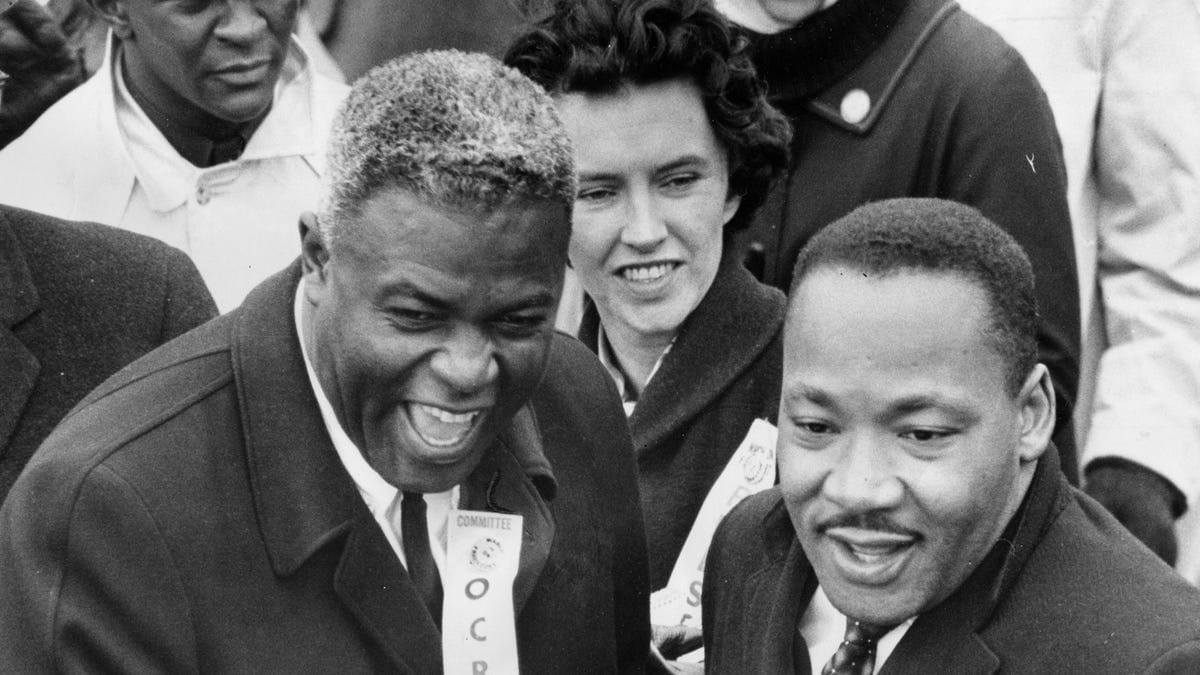
On a sweltering August afternoon in 1963, the steps of the Lincoln Memorial became the epicenter of a moral earthquake. Martin Luther King Jr., standing before a sea of hundreds of thousands, spoke of a dream that has since been etched into the global consciousness. Yet, as the third Monday of January approaches—marking the federal holiday dedicated to his legacy—a growing chorus of voices suggests that the annual commemorations have become sanitized, focusing on the poetry of his words while ignoring the ledger of his demands.
The Calendar of Commemoration
Martin Luther King Jr. Day falls on the third Monday of January each year, a date positioned near his actual birthday on January 15. In the coming year, this January holiday serves as a moment of national pause, a time when government offices, schools, and many businesses shutter their doors to honor the slain civil rights leader. For many, it is a ‘day on, not a day off,’ dedicated to community service and reflection on the progress of American democracy.
The journey to establishing this holiday was not a swift or easy one. It took fifteen years of petitioning, legislative battles, and a massive cultural push—including a famous song by Stevie Wonder—before President Ronald Reagan signed the holiday into law in 1983. It was first observed in 1986, but it wasn’t until 2000 that all 50 states officially recognized it. Today, the holiday stands as a pillar of the American civic calendar, yet the transition from a radical movement to a federal holiday has brought with it a complex debate about the nature of Dr. King’s message.
The Metaphor of the Bad Check
While most students can recite the ‘I Have a Dream’ portion of King’s most famous speech, less attention is often paid to the blistering economic critique that preceded it. King did not just come to Washington to dream; he came to collect. ‘In a sense, we’ve come to our nation’s capital to cash a check,’ King told the crowd. He described the Constitution and the Declaration of Independence as a promissory note to which every American was to fall heir.
However, King pointed out that for Black Americans, that check had come back marked ‘insufficient funds.’ This metaphor was not merely rhetorical. It was a direct indictment of the economic systemic barriers that prevented the realization of true equality. Today, critics and historians argue that the modern celebration of MLK Day often ignores this ‘check.’ They contend that honoring the dream is hollow if the nation continues to refuse to fund the systemic changes—in housing, education, and wealth distribution—that King died fighting for.
Beyond Symbolic Recognition
The sentiment that ‘nothing has changed’ is a common refrain among activists who see the persistent wealth gap and the erosion of voting rights as evidence of a stalled movement. While the legal segregation of the Jim Crow era has been dismantled, the underlying economic structures remain remarkably resilient. The argument presented by many contemporary thinkers is that the ‘dream’ has been used as a sedative, a way to suggest that the work of the civil rights movement is complete because a holiday exists and a statue stands on the Tidal Basin.
To truly fund the dream, advocates suggest, requires more than symbolic gestures. It requires a hard look at policy. King’s later years were increasingly focused on the Poor People’s Campaign, an effort to gain economic justice for poor people in the United States, regardless of race. He understood that without economic security, the right to sit at a lunch counter was a hollow victory. This shift toward ‘radical’ economic restructuring is often the most overlooked part of his legacy during the January celebrations.
The Challenge for a New Generation
As January approaches, the question remains: how does a nation move from honoring a man to fulfilling his mission? The upcoming holiday provides a window for this discussion. It is a time to move beyond the soundbites and engage with the King who was a critic of militarism, a champion of labor unions, and an advocate for a guaranteed basic income. The tension between the ‘safe’ version of King and the ‘radical’ King is where the real work of the holiday lies.
Educators and community leaders are increasingly using the holiday to dive deeper into the complexities of the 1960s. They are moving past the ‘Dream’ to discuss the ‘Letter from Birmingham Jail’ and the ‘Beyond Vietnam’ speech. By doing so, they hope to provide a more holistic view of a man who was deeply unpopular with the American establishment at the time of his death, but who has since been polished into a non-threatening icon of national unity.
“The whirlwinds of revolt will continue to shake the foundations of our nation until the bright day of justice emerges.”
As we look toward the third Monday of January, those words of King serve as a reminder that the holiday is not a destination, but a milestone. The check he spoke of in 1963 is still waiting to be cashed, and the funding of the dream remains the primary task for those who seek to truly honor his life. Whether through legislative action, community investment, or a fundamental shift in national priorities, the legacy of Martin Luther King Jr. continues to demand more than just a day of rest.