The Endless Winter Charade: A Minnesota Manifesto
Alright, folks, let’s call a spade a spade, shall we? Another Minnesota snowstorm, another round of ‘LIVE UPDATES’ plastered across your screens, another panicked scramble, and another collective sigh of resignation. Slippery roads, snow-covered highways, white-out conditions – it’s the same old song and dance, year after predictable year. Are we truly meant to believe this is some unforeseen act of God, a meteorological surprise that blindsides the diligent guardians of our public safety? Or is it, as any cynical investigator worth their salt would surmise, a meticulously maintained charade, a cyclical failure that serves purposes far grander than simply cleaning up a few inches of powder? What gives?
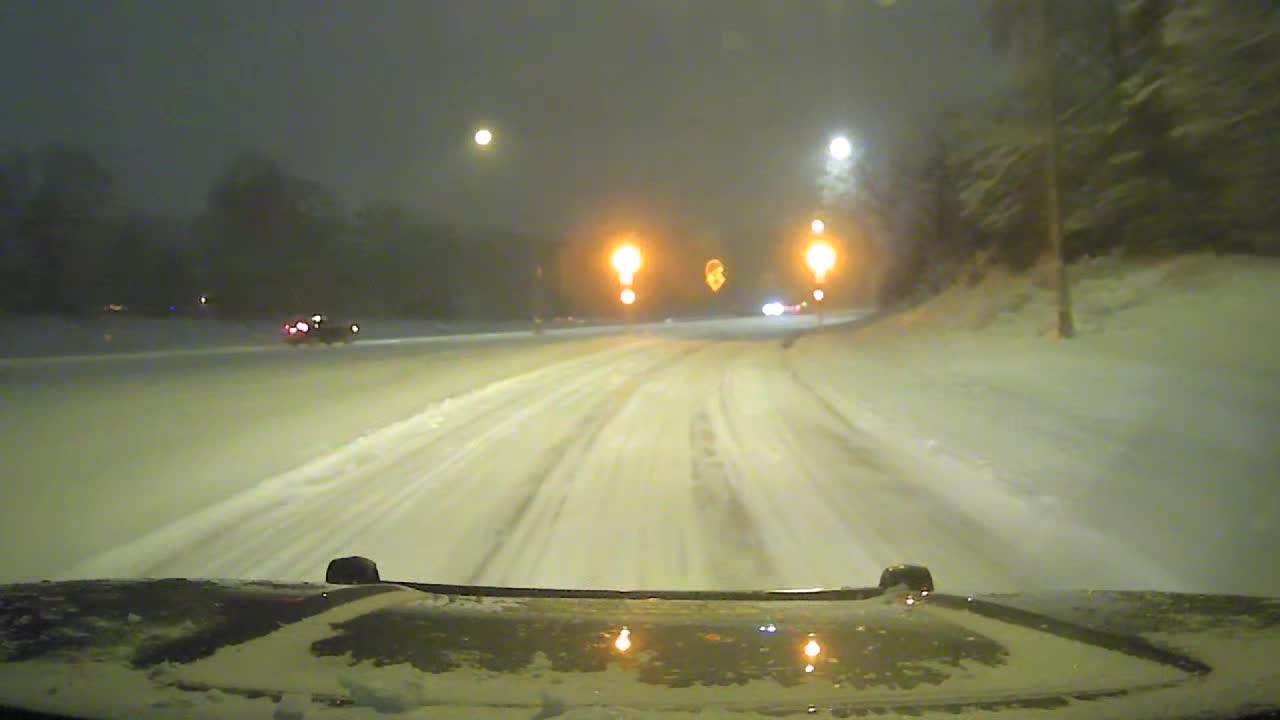
They tell you to brace for a ‘difficult morning commute,’ after ‘several inches of snow fell.’ Oh, really? Who saw that coming? It’s not exactly a state secret that Minnesota gets snow. This isn’t some rogue asteroid; it’s practically a constitutional guarantee. Yet, every single time, it feels like the collective infrastructure of the state throws its hands up, feigning shock and awe. The ‘snowfall reports’ roll in, quantifying the inevitable with a straight face, as if numbers somehow absolve a deeper, more profound systemic negligence. Blustery winds and over a foot of snow in some areas, they say. Impressive, indeed. But is it the snow that’s the problem, or the fact that despite knowing this script by heart, we keep tripping over the same lines?
The Illusion of Preparedness: A Costly Farce
Let’s talk about ‘preparedness,’ a word so often invoked it’s lost all meaning. What does it even mean to be prepared when the outcome is always the same? Warnings are issued, sure, often after the fact, or just barely ahead of impact, more a frantic scramble than a measured strategy. The media plays its part, amplifying the urgency, creating a sense of shared crisis that paradoxically deflects from questioning the underlying inefficiencies. It’s a classic misdirection: focus on the immediate drama, and you miss the slow decay that made the drama inevitable. Is it incompetence, or a convenient kind of amnesia?
Our roads, the very arteries of commerce and community, become treacherous labyrinths. We’re told to ‘stay home if possible,’ a directive that conveniently shunts the responsibility from public works to individual citizens. What about the nurses, the utility workers, the essential personnel who don’t have the luxury of telecommuting? Their commutes aren’t just ‘difficult’; they’re a gamble. And for what? So we can perpetuate this myth that we’re doing our best? It’s not just snow; it’s a mirror reflecting the cracks in our collective resilience, the fraying edges of an infrastructure that’s always ‘just barely enough’ until it’s not.
History’s Echoes: The Ignored Lessons
This isn’t new. For decades, these winter storms have battered Minnesota, each one bringing its own unique flavor of chaos, but all tasting distinctly of public unpreparedness. Remember the Halloween Blizzard of ’91? Or the countless others that have choked roads, stranded travelers, and tested the limits of emergency services? You’d think, after so many repetitions, we’d have it down to a science. You’d think budgets would be allocated, strategies refined, and equipment modernized to a point where a foot of snow is an inconvenience, not a full-blown existential threat to morning coffee runs. But no. The ‘history’ lessons are ignored, filed away like last season’s snow shovel, only to be dusted off with a bewildered shrug when the next storm hits. Why do we keep falling for this?
It’s a cycle, you see, a predictable, almost comforting rhythm of crisis and forgetfulness. Funds earmarked for infrastructure often get diverted. Maintenance schedules are postponed. The shiny new plows never quite materialize, or they break down faster than a politician’s promise. And when the snow does fall, it’s always ‘unprecedented,’ ‘unusual,’ ‘record-breaking.’ Convenient, isn’t it? Every crisis an outlier, never a pattern. This isn’t about blaming the dedicated snow plow drivers or the emergency responders; they’re the ones cleaning up the mess made by higher-ups. This is about asking: who benefits from this persistent state of reactive, rather than proactive, governance?
The Economic Undertow: Who Really Profits from the Freeze?
Ah, the invisible hand of the market, always lurking in the shadows. When the roads are impassable, when cars are stuck, when infrastructure crumbles under the weight of frozen precipitation, who steps up? And more importantly, who profits? Auto repair shops see a surge in business, fixing snow-related damage or cars pushed past their limits. Towing companies work overtime, often at premium rates, plucking stranded vehicles from drifts. Insurance companies, while paying out claims, also bank on the increased premiums that follow a season of ‘unprecedented’ events. The price of basic necessities often spikes. It’s a boom for some, a bust for many.
Consider the broader economic impact. Businesses shut down or operate with skeleton crews. Productivity takes a nosedive. Delivery services are delayed, supply chains snarl. The ripple effect is astronomical, impacting not just the immediate region but potentially global logistics. And who bears the brunt? The small business owner, the hourly wage earner, the single parent trying to get to work. They’re the ones truly paying the price for this systemic fragility. Is this simply the ‘cost of doing business’ in a winter state, or a deliberate underinvestment that externalizes costs onto the public?
The Media Echo Chamber: Shaping the Narrative
The role of the media in all this is fascinating, isn’t it? They’re not just reporting the news; they’re curating a certain narrative. The breathless live updates, the sensational headlines, the human interest stories of heroic rescues – it all plays into a specific script. It focuses on the immediate, the dramatic, the emotional. What it often fails to do is connect the dots, to ask the harder questions about systemic failures, about accountability, about the long-term implications of short-sighted policies. Instead, we get a sort of ‘weather porn,’ a visual feast of chaos that distracts from the deeper, more unsettling truths. Are we just being fed what they want us to hear?
When was the last time a major news outlet truly dissected the state’s snow removal budget, comparing it to other cold-weather regions, analyzing its efficacy, and tracing the historical trends of its allocation and expenditure? Rarely, if ever. It’s easier to show a car stuck in a ditch than to investigate why the resources to prevent that ditch-incident weren’t properly deployed. This isn’t reporting; it’s performance art, a carefully staged drama where the true antagonists – complacency, corruption, and chronic underfunding – remain largely off-screen, pulling the strings from the shadows.
Climate Change: The Elephant in the Frozen Room
And then there’s the big one, isn’t there? Climate change. While any single storm can’t be attributed solely to global warming, the increasing frequency of extreme weather events, the wild swings between unusual warmth and sudden, intense cold snaps, the ‘polar vortex’ phenomena – it all points to a pattern. Are these ‘unprecedented’ storms actually the new normal? If so, then our current level of ‘preparedness’ isn’t just inadequate; it’s suicidally optimistic. We’re building sandcastles against a rising tide, pretending that if we just wish hard enough, the ocean won’t come for us. What future are we actually building?
The denial, the obfuscation, the downplaying of scientific consensus – it all feeds into this cycle of unpreparedness. If you refuse to acknowledge the changing reality, how can you possibly adapt to it? Instead of robust, future-proof infrastructure planning, we get reactive patchwork solutions, band-aids on arterial wounds. It’s a dangerous game, one that gambles with the lives and livelihoods of millions, all to maintain a comfortable, outdated status quo. The writing’s on the wall, etched in ice and snow. Will anyone bother to read it?
The Human Toll: Beyond the Road Closures
Let’s not forget the insidious human toll of this recurring winter crisis. It’s more than just a difficult commute; it’s mental fatigue, stress, anxiety. The constant worry about safety, the disruption of routines, the isolation that comes with being snowed in. For vulnerable populations – the elderly, those with chronic illnesses, low-income families – these storms aren’t just an inconvenience; they can be life-threatening. Access to medical care, food, and heat becomes a precarious dance with fate. Is this acceptable in one of the richest nations on Earth?
The erosion of trust in public institutions is another silent casualty. When the public sees the same failures repeating, hears the same excuses, and experiences the same hardships, a creeping cynicism takes root. It’s not just about the snow; it’s about the feeling that the system isn’t working for them, that their taxes aren’t being effectively deployed, that their safety is a secondary concern. This trust, once lost, is incredibly hard to regain. It’s a corrosive acid, eating away at the social contract itself. What happens when faith in governance completely breaks down?
The Future Foretold: More of the Same, But Worse
So, what does the future hold for Minnesota’s winters? If history is any guide, and it usually is, then more of the same. The rhetoric will remain unchanged. The ‘lessons learned’ will be swiftly forgotten. The budgets will be debated, perhaps marginally increased, but never truly sufficient to address the root causes of the problem. We will continue to be ‘surprised’ by events that are, in fact, entirely predictable. The snow will fall, the plows will be slow, the roads will be treacherous, and the public will be left to fend for themselves, armed with little more than a shovel and a prayer. It’s a sad, inevitable forecast.
Unless, of course, we demand more. Unless we stop accepting the ‘difficult commute’ as an unavoidable fact of life. Unless we start asking the inconvenient questions, dissecting the budgets, holding officials accountable, and refusing to be distracted by the media’s carefully constructed spectacle. This isn’t just about snow removal; it’s about the very foundations of our society, our ability to adapt, to plan, to protect our citizens. The time for polite requests is over. The time for cynical, hard-nosed investigation, and relentless public pressure, is now. Because if we don’t, the next ‘unprecedented’ storm will simply be another chapter in this endless, frozen charade. And what a miserable read that will be.