
Contextual Analysis: A City Re-ignited by Federal Action
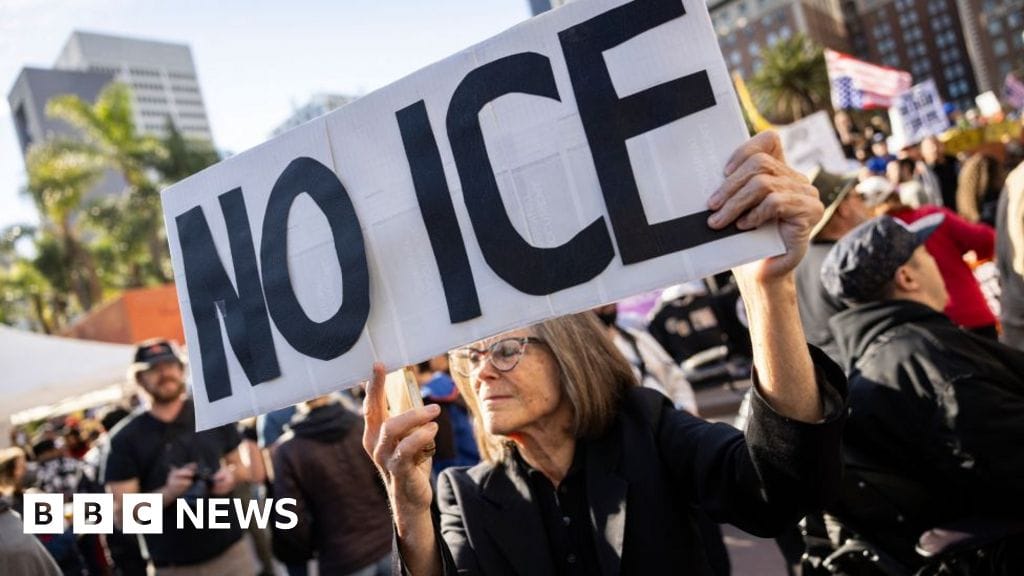
Minneapolis has once again become the epicenter of a national conversation regarding law enforcement and civil rights. Over the weekend, the city witnessed a massive mobilization of thousands of citizens following the fatal shooting of Renee Good (also referred to as Rebecca Good in early reports) by an agent of U.S. Immigration and Customs Enforcement (ICE). What began as a vigil for the deceased quickly transitioned into a large-scale demonstration, resulting in dozens of arrests and at least one police officer sustaining injuries during the unrest.
The incident that sparked this firestorm occurred earlier in the week, yet the details remain shrouded in federal bureaucracy. According to available reports, an ICE agent discharged their weapon during an enforcement action, leading to the death of Good. The lack of immediate transparency from federal authorities has fueled public anger, leading to a resurgence of the protest movements that have defined the city’s social landscape for the past several years. As thousands marched through the streets on Saturday night, the atmosphere was one of profound grief mixed with a demand for systemic accountability.
The Congressional Divide Over Visual Evidence
Perhaps the most jarring aspect of the current situation involves the political response to the shooting. In a move aimed at clarifying the circumstances of the event, two members of Congress were permitted to view the video footage of the incident. However, rather than providing clarity, the viewing only highlighted the deep ideological rifts that define the immigration debate in the United States. While both legislators witnessed the same sequence of events, their interpretations were diametrically opposed.
One congressman emerged from the viewing stating with certainty that the footage showed an unjustified use of force, suggesting that the agent’s life was not in immediate danger. Conversely, the second congressman asserted that the video clearly depicted a high-stakes, threatening environment that warranted the agent’s reaction. This split in perception underscores a fundamental challenge in modern policing: even with video evidence, the ‘truth’ is often filtered through the lens of political and social bias. This disagreement at the highest levels of government has only served to increase the skepticism of the public, who remain barred from seeing the footage themselves.
Why This Matters: The Intersection of Jurisdiction and Trust
This event matters because it exposes the volatile friction point between local communities and federal enforcement agencies. Unlike local police departments, which are subject to city councils and local oversight boards, federal agencies like ICE operate under a different set of protocols and often with a higher degree of immunity. When a fatal incident occurs in the heart of a major American city, the jurisdictional complexity can lead to a vacuum of information, which is quickly filled by fear and civil unrest.
Furthermore, the injury of a police officer and the subsequent arrests of dozens of protesters indicate a breakdown in the social contract. For the residents of Minneapolis, the memory of previous clashes with law enforcement remains fresh. The presence of federal agents performing lethal actions adds a layer of ‘state-sponsored’ tension that local officials are often ill-equipped to manage. This incident forces a reckoning with how federal agencies operate within municipal borders and whether the current lack of transparency is sustainable in an era of heightened civic awareness.
Broader Trends: The Evolution of Immigration Enforcement
The protests in Minneapolis are not an isolated phenomenon but rather a symptom of a broader trend in American sociopolitical life: the increasing militarization and politicization of immigration enforcement. Over the last decade, ICE has moved from being a relatively obscure administrative agency to a central symbol of the partisan divide. The ‘Abolish ICE’ movement, which gained significant traction in the late 2010s, finds new life in incidents like the shooting of Renee Good.
Another significant trend is the ‘democratization’ of protest movements. Through social media, the ability to mobilize thousands of people in a matter of hours has changed the dynamics of urban governance. The Saturday night protests showed a sophisticated level of organization, with diverse groups coming together to voice a singular demand for justice. This trend suggests that any future actions by federal agents that result in civilian casualties will be met with immediate and high-intensity public scrutiny, regardless of the official narrative provided by the government.
Looking Ahead: The Path to Accountability
As the dust settles from the weekend’s protests, the focus will inevitably shift toward the legal and legislative aftermath. The conflicting reports from the two congressmen suggest that a simple internal investigation by ICE will not satisfy the public or the local government. There will likely be intensifying calls for a Department of Justice (DOJ) intervention or a civil rights probe to provide an independent assessment of the shooting. The identity and history of the agent involved will also come under intense scrutiny as activists seek to determine if there were prior red flags.
In the long term, this incident may catalyze new discussions regarding the ‘Law Enforcement Officers Safety Act’ and the extent of federal immunity. If the video footage is eventually released to the public, it could either act as a catalyst for legislative reform or, if it remains suppressed, serve as a persistent wound in the relationship between the federal government and the city of Minneapolis. For now, the city remains on edge, waiting to see if the calls for justice will result in tangible policy changes or if the cycle of protest and silence will continue unabated.
Photo by ShekuSheriff on Pixabay.