CONTEXTUAL ANALYSIS: The End of an Era in Pittsburgh
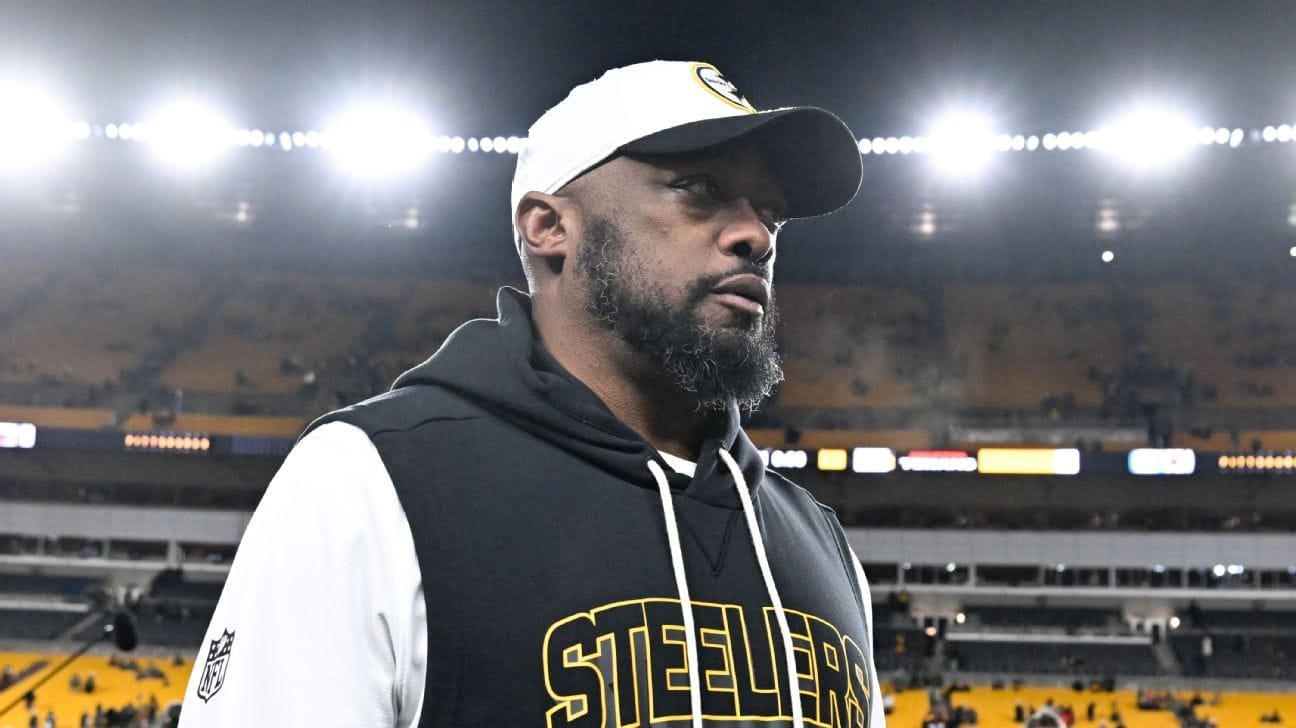
PITTSBURGH — Steelers head coach Mike Tomlin is stepping down after 19 seasons leading the Pittsburgh organization. This monumental organizational shift was confirmed by sources who spoke to ESPN’s Jeremy Fowler and Adam Schefter, ending one of the most stable coaching tenures in modern professional sports.
The news is particularly striking given the contractual situation. Sources noted that Tomlin had two years remaining on his existing contract. His departure, therefore, represents a decisive and perhaps unexpected move by a figure who has been synonymous with the franchise’s identity for nearly two decades.
Why This Matters: The Stability Deficit
The longevity of Tomlin’s tenure—19 seasons with a single team—places his career in an elite tier of historical coaching stability. In an environment characterized by ‘win now’ urgency and rapid managerial turnover, Tomlin’s nearly two decades represent an anomaly. The immediate consequence of his stepping down is the injection of volatility into one of the National Football League’s (NFL) most historically steady franchises.
The decision to walk away while still under contract adds a layer of intrigue to the story. When a long-serving coach departs with time still left on their deal, it forces an immediate recalibration for the organization, encompassing everything from coaching staff recruitment to immediate strategic planning. For the Steelers, who value continuity deeply, this is a transition of tectonic scale.
Broader Trends: The Value of Longevity and The Modern Exit
The history of professional sports is littered with cycles of boom and bust, but few franchises managed to maintain the kind of continuous identity that Pittsburgh enjoyed under Tomlin. His departure raises profound questions about the viability of such long-term partnerships in the current sporting landscape.
The movement away from such dynastic tenures is a prevailing trend across professional leagues globally. Whether driven by media pressure, athlete turnover, or evolving strategic demands, the era of the two-decade coach is rapidly fading. Tomlin’s decision, whether initiated by the coach or stemming from internal dynamics, highlights the immense difficulty of sustaining peak performance for such extended periods.
The Lingering Question of Future Ambition
The public perception of Tomlin’s relationship with the scrutiny surrounding his future was previously highlighted by an isolated but telling incident two years ago. Following a wild-card game loss in Buffalo, Tomlin abruptly walked away from the media podium mid-question when pressed about his future plans. This prior behavior suggests an aversion to public discussion regarding career uncertainty or transition.
This previous non-engagement with questions about his future provides a critical, albeit limited, context to his current definitive action. Stepping down decisively, despite the contract, resolves the ambiguity he seemingly sought to avoid two years prior. The move, therefore, is not merely a change in employment status but a public declaration about his professional path.
The Organizational Imperative and Media Pressure
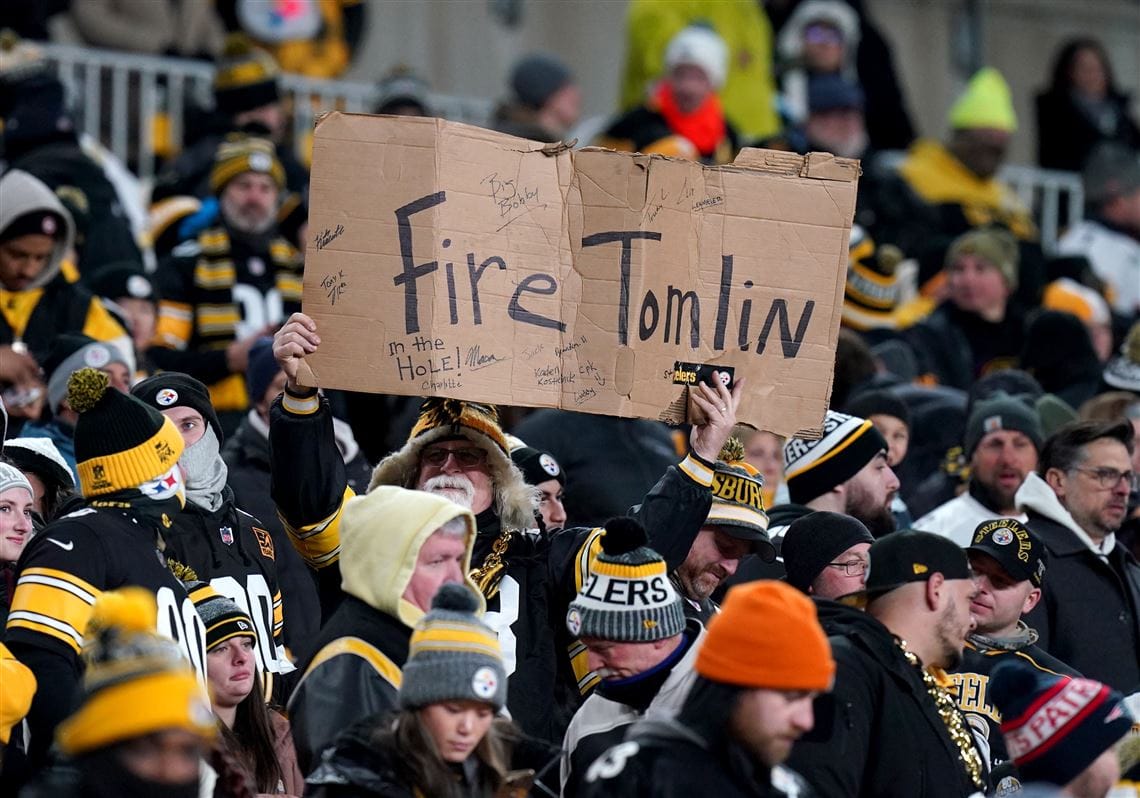
It is important to consider the environment surrounding the team, as suggested by external commentary. One headline noted: “For everybody’s sake, the Steelers should move on from Mike Tomlin.” While this sentiment is an opinion and not a factual driver of the decision, it illustrates the media pressure and desire for change that often precedes the exit of a long-term leader, even a successful one.
The convergence of external demands for a shift and Tomlin’s confirmed action creates a narrative of mutual necessity. If the coaching environment had reached a point where significant factions felt a change was needed, Tomlin’s decision to step down might be interpreted as an acknowledgement of the need for fresh perspectives, both for himself and the organization.
The Aftermath: Strategic and Institutional Void
The departure of Tomlin leaves an immediate, institutional void at the top of the Steelers organization. The next head coach will face the immense challenge of succeeding a leader who maintained a high level of competitive integrity throughout his tenure, securing consistent records and maintaining stability.
Recruiting a replacement will be complex. The Steelers’ coaching search will become one of the premier stories of the sporting calendar, demanding that the franchise defines its strategic direction for the next decade. The choice of successor will signal whether the organization intends to pursue radical change or attempt to maintain the traditional, conservative stability long associated with the team.
Analyzing the Depth of the 19-Year Commitment
To fully grasp the magnitude of 19 seasons, one must contextualize it against the rapid turnover rates prevalent in contemporary management. In many ways, Tomlin’s tenure defied the standard gravitational forces of professional sports. He successfully navigated multiple generational shifts in players, technological advances in training, and seismic changes in league strategy and rules.
This prolonged commitment fostered a unique culture within the Steelers—one that prized disciplined execution and resilience. The immediate challenge for the franchise is not just filling a roster spot, but preserving the institutional memory and core cultural tenets that Tomlin helped solidify over nearly two decades.
The fact that he walked away with two years remaining on his deal reinforces the professional finality of the decision. This was not the expiration of a contract; it was a choice to step away from the immediate pressures and responsibilities of the role. For the global audience tracking major sports shifts, such a voluntary transition from a major organization is rare and attention-grabbing.
The Market Implications for Tomlin
Mike Tomlin stepping down, rather than being fired or retiring completely, makes him immediately one of the most sought-after coaching commodities on the professional market, should he choose to continue coaching elsewhere, which external commentary noted was ‘hard to imagine’ him avoiding long-term.
His immediate availability will impact the strategic decisions of potentially half a dozen other professional teams looking for leadership. This move sets a ripple effect across the coaching landscape, creating a competitive market dynamic for his services, even if he chooses to take a momentary hiatus.
Concluding Thoughts: A New Chapter Begins
The confirmation from sources like Fowler and Schefter solidifies the end of an organizational era. Nineteen years is a legacy, defined not just by wins and losses, but by unwavering organizational commitment and cultural stability. The Pittsburgh Steelers now face a future defined by uncertainty—a state they have largely avoided for almost two decades.
The departure of Mike Tomlin, contractual details notwithstanding, signals a transition not just for the Steelers, but potentially for the league’s understanding of coaching longevity. The immediate look ahead involves the intense scrutiny of the Steelers’ hiring process, and the speculation about where, if anywhere, Tomlin will choose to apply his considerable professional talents next.
While the focus now turns to the search for a new leader, the historical marker remains: 19 seasons in Pittsburgh. That number alone assures that Mike Tomlin’s tenure will be analyzed for years to come as a model—or perhaps a final example—of sustained endurance at the highest level of competitive sport.
The fragments of content regarding the press conference incident, the two years remaining on the contract, and the 19-season tenure converge to tell a story of a successful, long-serving coach making a decisive break, leaving behind a major institution to navigate its first significant leadership change in a generation.