The Calculated Pivot: A Book Tour or a Test Run?
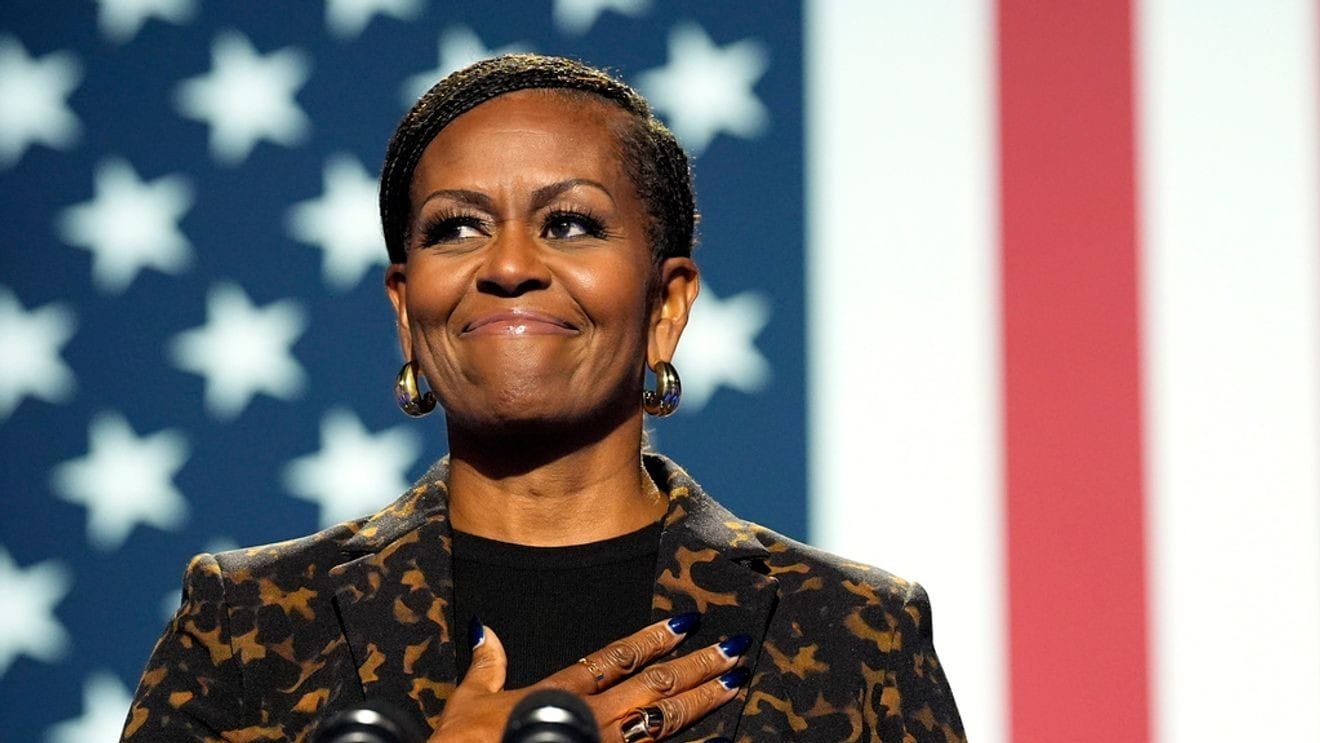
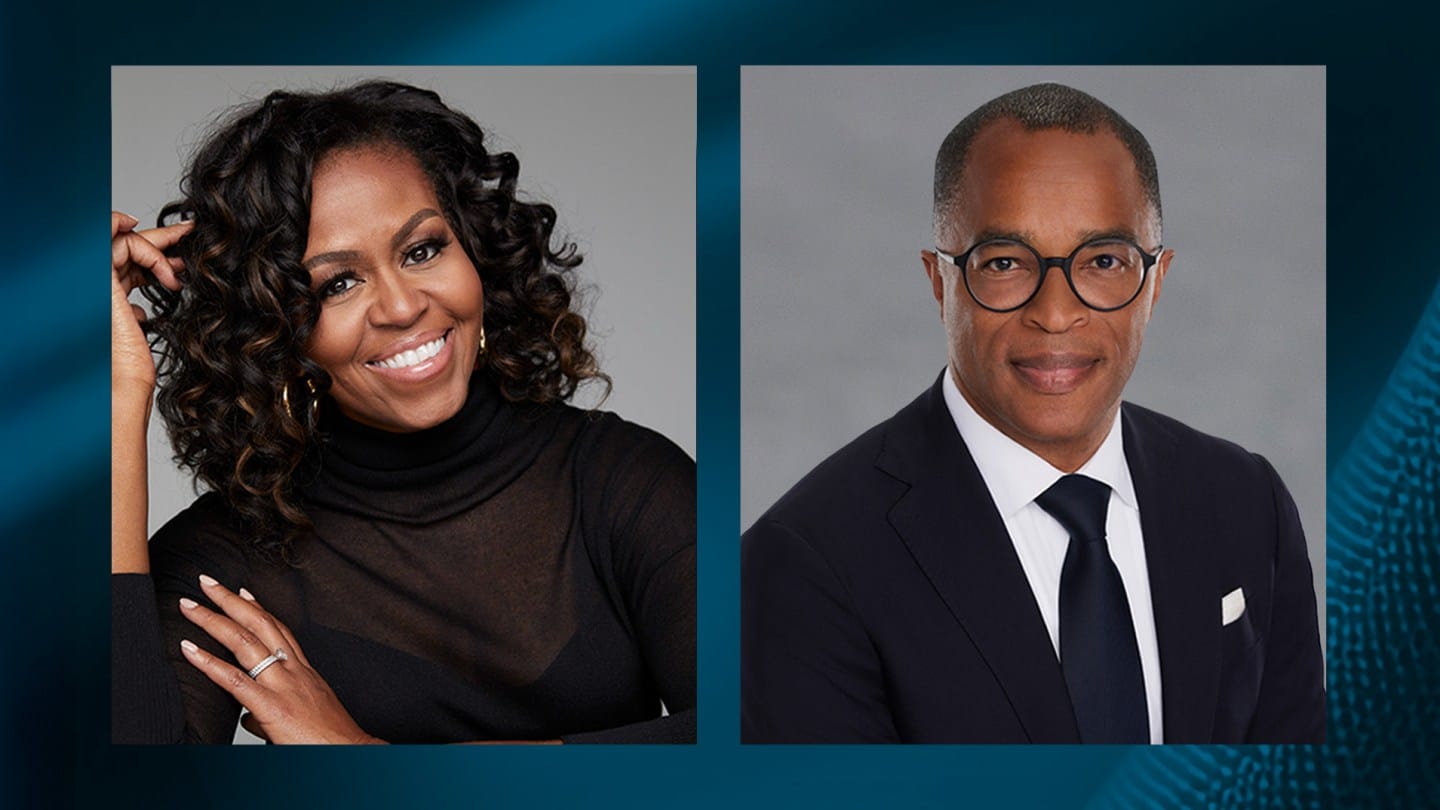
Let’s cut through the noise, shall we? When a figure as significant as former First Lady Michelle Obama schedules a primetime special on a highly partisan network—a network, mind you, that functions less like traditional news and more like an echo chamber for a specific political base—to discuss a book titled ‘The Look,’ you have to ask yourself: what is the real story here? Because the official narrative, the one being spun to the masses, is almost certainly not the entire picture. The whispers inside Washington are far more interesting than the headlines. The prevailing sentiment is that this isn’t a book promotion; it’s a strategic political maneuver, disguised as a literary-cultural event, designed to test the waters and keep her brand relevant during a critical, high-stakes election year. It’s a classic D.C. playbook move, perfected over decades of high-level politics, where a seemingly innocuous public appearance serves as a coded message to both allies and opponents, signaling a potential shift in strategy or ambition.
This isn’t just about selling copies of a new book about style and personal identity, though that’s the convenient cover. It’s about optics, influence, and strategic positioning during a time when the current administration is facing significant headwinds, struggling with approval ratings, and looking for a powerful surrogate who can energize a wavering electorate. The timing is meticulous. We are entering the home stretch of a highly polarized election cycle. The Biden campaign needs all the help it can get, and who better to deploy than one of the most popular figures in recent Democratic history? The fact that she chose MS Now (MSNBC), a platform guaranteed to deliver a friendly, non-confrontational interview, suggests a tightly controlled environment where the message can be delivered without risk of challenging questions. This isn’t journalism; it’s public relations on a grand scale, a carefully choreographed performance designed to maximize positive exposure while minimizing potential negative scrutiny. It’s a very high-stakes game of political chess being played right out in the open, but under a cloak of literary promotion.
The Whisper Network: Reading Between the Lines of the D.C. Echo Chamber
The core of this strategy lies in understanding the D.C. whisper network. The game is played with subtle signals. When a politician or public figure repeatedly denies any interest in running for office, yet consistently engages in activities that fuel speculation, those denials often serve as the greatest accelerant to the rumor mill. It creates a ‘reluctant hero’ narrative that is incredibly effective in building a groundswell of support. The more she says she doesn’t want it, the more people believe she must be a reluctant savior, forced into action by circumstance. This interview, framed as a discussion on her personal journey, allows her to engage in political topics without technically being in a political forum. She can deliver veiled messages about leadership, resilience, and the current state of affairs, all while maintaining the veneer of a non-political figure simply promoting her art. This strategy allows her team to gauge public reaction and media coverage without committing to anything concrete. If the reaction is overwhelmingly positive, they can escalate her involvement. If not, they can retreat, claiming she was merely promoting a book.
Let’s consider the specifics of this MS Now platform choice. It’s not accidental. In the past, high-profile figures seeking genuine broad appeal often chose platforms like ’60 Minutes’ or a mainstream late-night talk show. These venues, while still friendly to most public figures, offer at least the pretense of journalistic rigor and reach across different demographics. A primetime special on MS Now, however, speaks directly to the choir. It’s designed to solidify support among the base, to rally the faithful, and to create viral clips that will circulate within the progressive media ecosystem. This isn’t about persuasion; it’s about mobilization. It’s about reminding the core Democratic voters why they fell in love with the Obama era and contrasting that positive nostalgia with the current political alternatives. It’s a psychological tactic, leveraging the powerful emotional connection many feel towards the former First Family to provide a boost to the entire party apparatus.
The Shadow Campaign: What Happens Next?
So, what exactly are the next steps in this shadow campaign? This MS Now special is step one. The immediate outcome will likely be an increase in speculation about her potential role as a replacement candidate in 2024, or at least as the primary surrogate for the current administration. Even if she maintains a strict denial of running herself, her high-profile re-emergence serves a dual purpose: it energizes the base while simultaneously creating a viable ‘Plan B’ for the Democratic party, should circumstances necessitate a last-minute change in leadership. The political machine loves leverage, and having a universally popular figure like Michelle Obama waiting in the wings provides immense leverage. It keeps the opposition guessing and forces them to spread their resources thin, preparing for multiple eventualities. This interview is essentially a high-profile focus group, gathering data on how best to utilize her influence in the coming months.
The true cost of this strategy, however, is the erosion of trust in non-partisan institutions. When a book tour becomes indistinguishable from a political campaign, the lines blur between cultural critique and political propaganda. The media, by participating in this spectacle without challenging the underlying political motive, becomes complicit in the narrative. We are left with a situation where a discussion of fashion becomes a discussion of national leadership, and the public is forced to decipher the hidden meaning behind every carefully chosen word. The ‘insider’ view suggests we should stop listening to what they say and start watching what they do. The scheduling, the platform, the timing—they all point toward a clear and calculated plan for re-engagement. This isn’t a leisure activity; it’s a strategic move in a high-stakes political game, where the stakes go far beyond a book’s sales figures and extend deep into the heart of the next election.