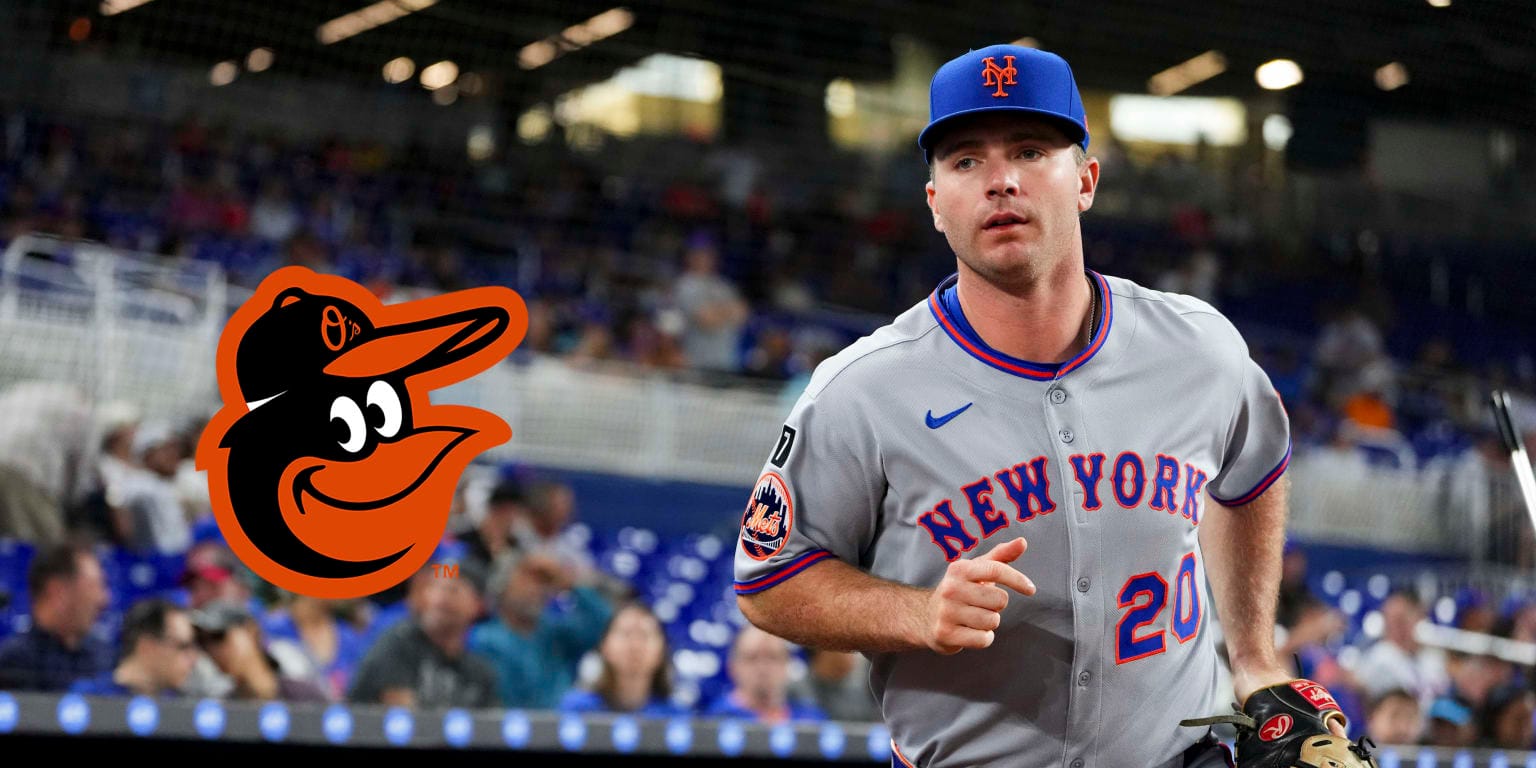
The Anatomy of a Failure: Pete Alonso to Baltimore
Did the Mets betray their fans, or just themselves?
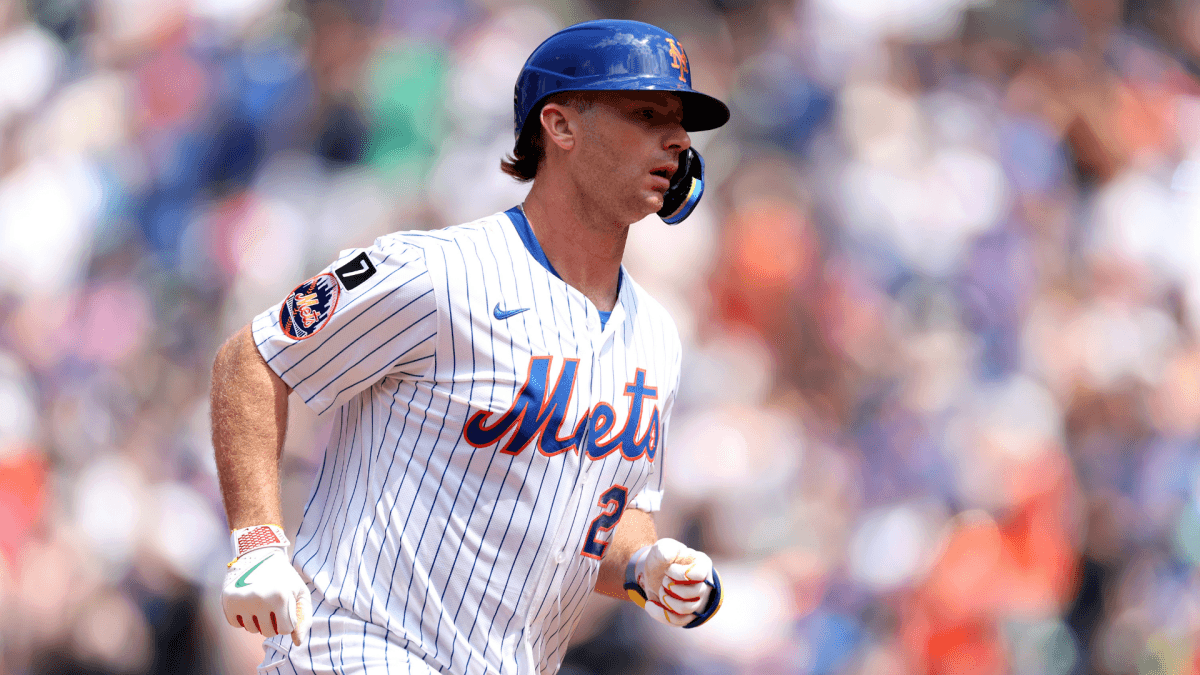
Let’s not mince words here. Pete Alonso finalizing a five-year, $155 million deal with the Baltimore Orioles isn’t just a transaction; it’s a diagnosis of a corporate sickness that has plagued the New York Mets for decades. This isn’t about the Orioles suddenly becoming great, or Alonso just wanting a new challenge; this is about a systemic failure of leadership in Flushing, New York, and a betrayal of the very fanbase that propped up this organization through years of mediocrity and outright disgrace. The narrative coming out of Queens is that they ‘couldn’t find common ground’ or ‘it was time to move on.’ That’s garbage. When a generational slugger, a face of the franchise, and a legitimate fan favorite walks away for a number well within the financial capabilities of the organization, it’s not a negotiation failure. It’s a calculated decision to prioritize something other than winning. It’s a corruption of priorities, plain and simple, and the fans are left holding the bag.
The Mets, under Steve Cohen, have long been lauded as having unlimited resources, a checkbook that would theoretically allow them to buy any player they wanted. So, why did they let Alonso, their own homegrown talent and arguably the most powerful hitter in franchise history, slip away for a paltry $155 million over five years? Let’s be serious; that’s a discount in today’s market for a player of his caliber, especially one with his proven durability and consistent production. The Mets’ valuation of Alonso was clearly misaligned with the market’s, or, more likely, a pre-calculated move to pivot to other strategic options. They either lowballed him relentlessly in a passive-aggressive attempt to get him to walk, or they simply decided that his specific skill set—raw power, limited versatility—didn’t fit their long-term vision. Either way, it’s a slap in the face to a player who embodied everything that was good about the team during some truly dark years. He wasn’t just a slugger; he was the culture. And they chose to let that culture walk right out the door, all to save a few dollars that, for a man like Cohen, amount to pocket change. The Mets’ failure here isn’t one of economics; it’s one of character.
The Cynical Investigation: Was there internal sabotage?
When you look at the recent history of the Mets’ front office, you see a revolving door of executives and conflicting philosophies. The ‘rebuild’ narrative has been a constant refrain, yet they spent massive amounts on free agents like Max Scherzer and Justin Verlander in a failed attempt at a quick fix. Now, with Alonso gone, the official story will be that they’re prioritizing flexibility and future prospects. But the cynical investigator in me smells a rat. Did internal factions within the organization—perhaps those who favored a more analytical, less personality-driven approach—actively undermine the negotiations? Was there a concerted effort to devalue Alonso to justify moving on from him? It wouldn’t be the first time an organization decided to prioritize a new, unproven prospect over an established veteran in a fit of analytics-driven hubris. The Mets’ decision-making process appears to be less about coherent strategy and more about internal political conflicts playing out in public view. The result is always the same: a fragmented organization where the left hand doesn’t know what the right hand is doing, and the fans suffer the consequences.
The $155 million price tag for Alonso is interesting. It’s high enough to be a significant commitment but low enough to raise eyebrows given his past production. The narrative suggests Alonso ‘failed to get the long-term deal that he coveted,’ implying he was aiming higher. This is a crucial detail. Did the Mets offer him something insulting? Did they make an offer specifically designed to be rejected? The ‘Polar Bear’ wanted to stay in New York, he said so repeatedly. This wasn’t a player looking for an exit; this was a player forced out because the negotiating partner across the table didn’t respect his value. The Mets’ ownership and management have demonstrated, once again, that they prioritize their own internal metrics and a cold, calculating approach over building rapport with their players and fanbase. The result is a broken relationship and a star player walking away to a division rival, strengthening the competition while leaving the Mets in a state of disarray. It’s a textbook example of how not to manage a franchise, and a stark reminder that money alone doesn’t buy competence.
Baltimore’s Gamble: A Sign of Confidence or Desperation?
Now, let’s turn to the other side of this transaction: the Baltimore Orioles. For years, the Orioles were the punching bag of the American League East, a team synonymous with rebuilding and losing seasons. Now, they’ve got a young core of superstars, a new ownership group in David Rubenstein, and a new identity. The signing of Pete Alonso for $155 million signals a massive shift in organizational philosophy. This is no longer the small-market team content with developing talent and letting them walk away when they get too expensive. The Orioles are buying in. They’re telling the baseball world that they are ready to compete, not just for the division, but for a World Series title. But let’s look at this deal with a skeptical eye. Is this a shrewd move, or is it a sign of a new owner making a splashy but ultimately risky investment? Alonso is a power hitter, pure and simple. His defense at first base is, at best, adequate. His primary value lies in hitting the ball out of the park. The Orioles already have a core of young hitters. Is Alonso truly the missing piece, or is this a move designed to appease a fanbase that has suffered for too long, a high-priced luxury that might upset the balance of a young, ascending clubhouse?
The Orioles have a solid young core. But a large, long-term contract for a power hitter in his prime can become an albatross if production drops off. We’ve seen this play out time and time again in MLB. The pressure on Alonso in Baltimore will be immense. He won’t just be expected to produce; he’ll be expected to carry the team’s offense, and to be the veteran leader for a group of young stars. The Orioles are taking a significant risk by committing this kind of capital to a player who will be on the wrong side of 30 for most of this contract. While the addition of Alonso solidifies their lineup and makes them an immediate threat, it also changes the dynamics of their internal salary structure and future negotiations with their young players. The next question will be: can they keep their homegrown talent in Baltimore after paying Alonso this kind of money? Or will this signing create a new set of problems down the line? It’s a bold move, but boldness often comes with a steep price, and this investigator remains skeptical about whether the Orioles’ new ownership fully understands the long-term implications of such a significant expenditure, or if they are just throwing money around for immediate headlines. This isn’t just about baseball; it’s about business strategy, and in business, a high-profile signing often masks deeper issues of organizational instability or market overestimation. The Orioles need Alonso to deliver, or this $155 million gamble will look less like a masterstroke and more like a desperate attempt to catch up with the Yankees.
The Broader implications: A broken system, manipulated markets
This whole debacle—Alonso leaving the Mets, taking a deal with the Orioles—is a microcosm of a larger problem in modern professional sports. Player loyalty is dead, and it’s not the players’ fault. It’s the owners and management who have systematically devalued the concept of loyalty. When an organization like the Mets, with all their resources, refuses to commit to a player who has given them everything, it sends a clear message to every other player in the league: loyalty is for suckers. The business side will always win out, and analytics will always trump personal relationships. The market, in turn, reacts to this. When players like Alonso are undervalued by their original team, they seek maximum value elsewhere, often in places where a new owner is eager to make a statement. The Orioles’ new ownership, looking to make a splash, essentially took advantage of the Mets’ mismanagement. This is how the rich get richer and the dysfunctional remain dysfunctional.
Let’s also consider the role of agents in this transaction. The negotiation process is less about finding fair value and more about leverage and market manipulation. Alonso’s agent likely used the Mets’ reluctance as leverage to drive up the price with other teams, creating a bidding war where none truly existed. The $155 million figure, while large, may actually be a compromise. The question isn’t whether Alonso got paid; it’s whether he got paid what he’s truly worth in an open market, or if the Mets’ lowballing depressed his value. The truth is likely somewhere in between, but the ultimate takeaway is that the system is broken when a team like the Mets can allow a player of this caliber to walk for what amounts to a relatively modest investment in a market where players like Shohei Ohtani are receiving contracts three times this size. The entire affair smells like incompetence, greed, and a fundamental misunderstanding of how to build a winning culture. The Mets organization has a history of this, a long, ugly lineage of mismanagement that predates Cohen and will likely outlast him. The Alonso signing isn’t a success story for the Orioles; it’s a cautionary tale about the high cost of failure for the Mets.
So, where does this leave us? The Mets are left scrambling to replace a 40-homer-a-year bat. The Orioles are banking everything on a veteran slugger blending seamlessly with their young core. And Pete Alonso, the man in the middle, moves on to a new chapter in his career. The cynical investigator sees this as a clear victory for the Orioles’ new ownership and a definitive defeat for the Mets. The Mets proved they learned nothing from their past failures, choosing to prioritize fiscal conservatism over franchise stability and fan happiness. The real victims here are the fans in Queens, who have once again been shown that their loyalty is disposable, and that the promise of unlimited spending under Steve Cohen was, perhaps, just another form of manipulation designed to keep them invested while the real decisions were made in secret. This transaction is less about baseball and more about power dynamics, financial maneuvering, and the ongoing saga of incompetence that defines the New York Mets. It’s a tragedy disguised as a business decision, well, pretty standard free agency signing. This changes everything. A lot.