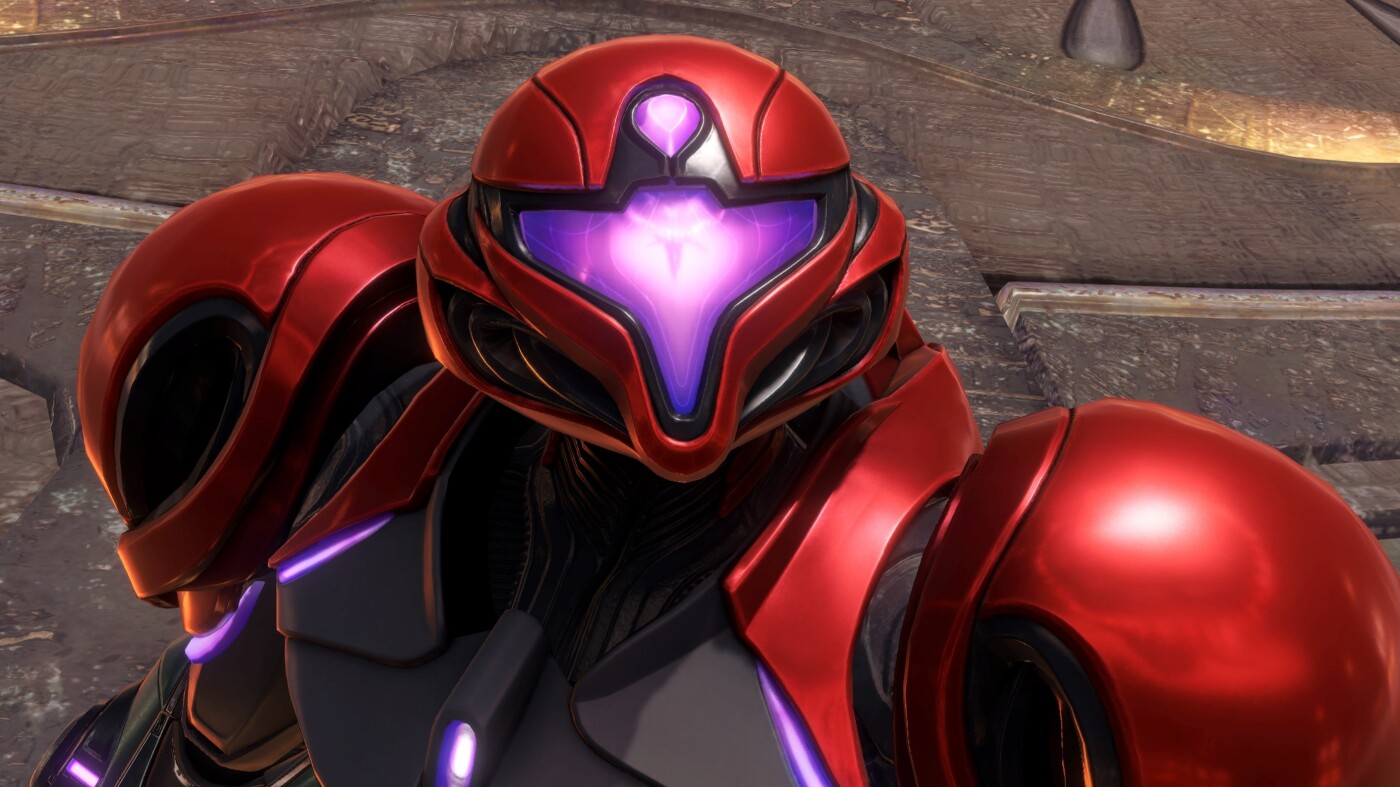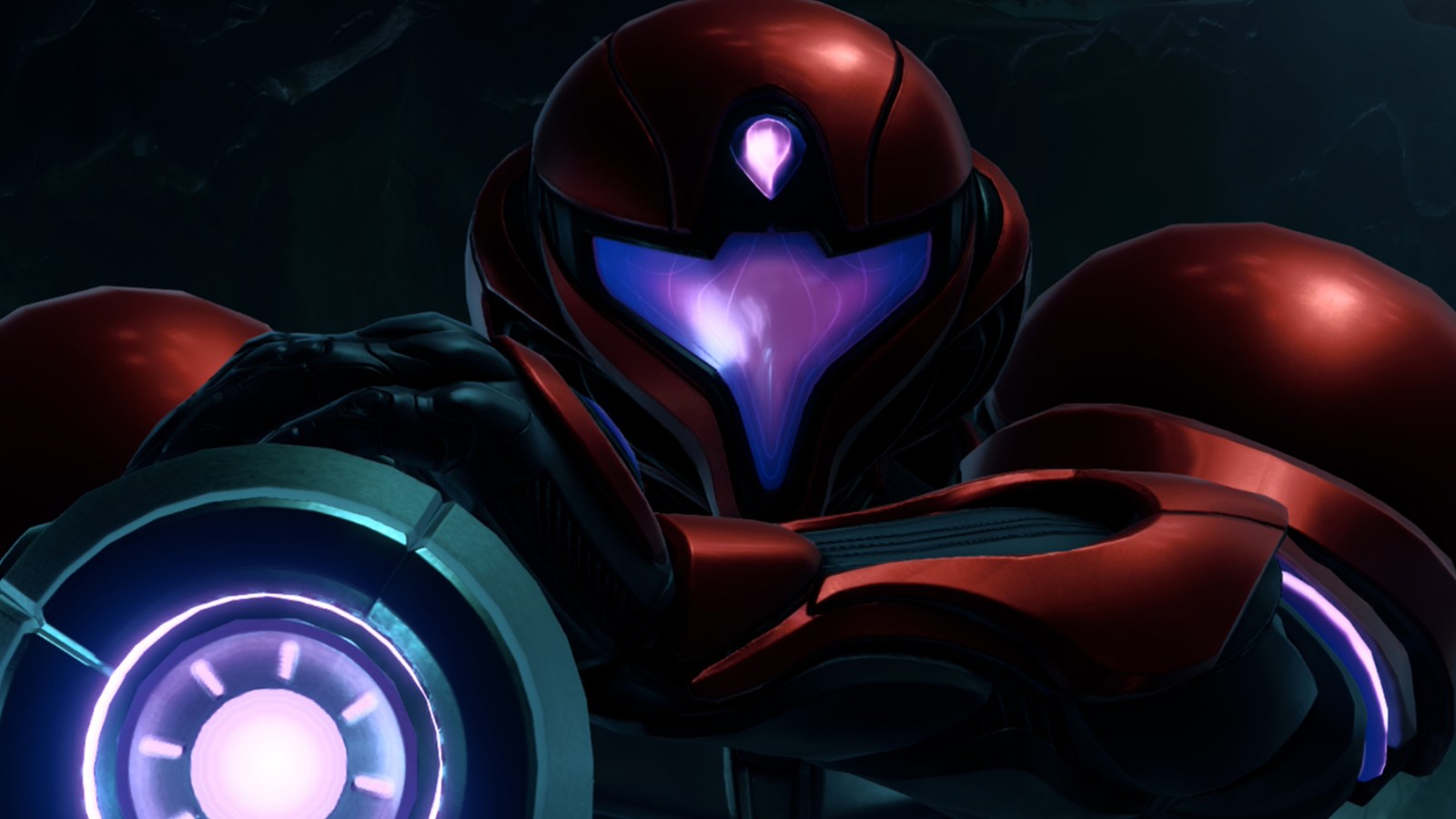
So, The Golden Child Finally Arrives. Are We Supposed To Be Grateful?
After a decade of silence, reboots, and whispers, is ‘Metroid Prime 4: Beyond’ the triumphant return we were promised, or is it something far more sinister?
Let’s get one thing straight. A ten-year development cycle isn’t a badge of honor. It’s a scar. It’s a bright, flashing neon sign that screams “We had no idea what we were doing.” The story they’ll sell you is one of dedication, of a relentless pursuit of perfection. A noble quest to get it ‘just right’ for the fans. Don’t buy it for a second. That’s marketing. The reality is that this game died on the operating table years ago and what we have now is a reanimated corpse, stitched together from the parts of other, more successful games, jolted to life by a billion-dollar charge from Nintendo’s shareholders. The original project was scrapped. Nuked from orbit. Why? Because it was likely too ambitious, too weird, too *Metroid*. It didn’t fit the mold. And in today’s risk-averse, algorithm-driven industry, anything that doesn’t fit the mold must be hammered into submission until it does.
So they started over. They brought in the “safe hands” and began the long, arduous process of sanding off all the interesting edges. What results is what some are calling a “technical marvel.” Of course it is. When you throw a decade of time and an obscene amount of money at a project, you’re going to get some pretty pixels. You’ll get smooth frame rates and breathtaking skyboxes. But that’s the oldest trick in the book. A magic trick. Look at the pretty lights over here so you don’t notice the complete and utter void of creativity over there. It’s a gilded cage, a beautiful prison for a franchise that once stood for exploration, isolation, and true atmospheric dread. Now it just stands for hitting quarterly earnings projections.
They Call It ‘Homage,’ But It Looks A Lot Like Theft.
Is borrowing ideas from other popular titles smart design, or the death knell of originality?
Pundits and paid-off reviewers will tell you that ‘Metroid Prime 4’ “learns from the best,” incorporating mechanics from a dozen other successful titles. This is presented as a positive, a sign of evolution. It is the exact opposite. It is the confession of a creatively bankrupt enterprise. It is the homogenization of an entire art form, distilled into one cynical, market-tested product. Super Metroid didn’t need to borrow from anything; it created a genre. Metroid Prime didn’t need to ape Halo; it forged its own identity with a unique take on first-person adventure. They were pioneers. They were singular. This… this is a checklist.
You can practically see the whiteboard in the boardroom. “Does it have a crafting system like Game X? Check. Does it have a skill tree that mimics Game Y? Check. How about a more open-world feel, because that’s what the data says players want? Big check.” The end result is a game that feels like everything and nothing all at once. It’s a Frankenstein’s monster of game design, a mishmash of borrowed ideas that water down the very essence of what Metroid is. The suffocating isolation? Gone, replaced by chatty NPCs and objective markers (because God forbid a player has to think for two seconds). The subtle environmental storytelling? Buried under an avalanche of explicit lore dumps and audio logs. It’s Metroid for people who don’t have the patience for Metroid. It’s a franchise wearing the skin of another, more popular kid at school, hoping no one notices the seams. It’s pathetic.
A ‘Technical Marvel’ and a ‘Game Design Nightmare.’ Let’s Unpack That.
What does it mean when a game is praised for its technology but derided for its soul?
This is the new dystopian reality of AAA gaming. The phrase itself—“technical marvel and game design nightmare”—should send a chill down your spine. It means the engineers did their job, but the artists and designers were either ignored or fired. It means the engine is a roaring titan, capable of rendering universes, but the game itself is an empty, soulless grind. The technology isn’t serving the art; the technology *is* the product. They’re selling you the spectacle, the digital firework display, hoping it’s loud and bright enough to distract you from the hollow experience at its core.
Think about what this means for the future. The focus will shift even further away from innovative gameplay and compelling narratives and toward graphical fidelity and brute-force processing power. Games will become tech demos with a price tag. The “game design nightmare” part is the human cost of this obsession. It’s the result of endless crunch, of designers burning out trying to fill these impossibly large, technically demanding worlds with something—anything—meaningful. It’s the byproduct of design-by-committee, where every interesting idea is vetoed by a marketing exec with a spreadsheet that proves ‘originality’ has a low ROI. The game is a nightmare to play because its very creation was a nightmare. A beautiful, perfectly rendered, 4K nightmare that cost a decade of human effort to produce something you’ll forget about in a week.
What Does This Decade of Hell Really Say About The Industry?
This isn’t just about one game. It’s a symptom of a terminal illness.
The saga of Metroid Prime 4 is a perfect microcosm of the modern video game industry. It shows that even Nintendo, once the quirky, innovative uncle of the gaming world, has succumbed to the same corporate sickness as everyone else. The artists are no longer driving the bus. The people in suits—the ones who see players not as fans but as ‘monthly active users’ to be monetized—are at the wheel, and they’re driving it straight off a cliff. The fear of failure has become so profound that the only acceptable path is the safe one: copy what works, slap a beloved brand on it, and push it out the door with a nine-figure marketing budget.
This isn’t development; it’s manufacturing. It’s an assembly line. Samus Aran is no longer a character; she’s intellectual property. A brand asset. The decade-long wait wasn’t about polishing a gem. It was about mitigating risk. It was about endless meetings, focus groups, and market analysis to engineer a product with the widest possible appeal and the lowest possible chance of offending anyone or, more importantly, of failing to meet shareholder expectations. This game isn’t a passion project. It’s a financial instrument designed to extract capital from a nostalgia-starved player base. And the worst part? It will work. It will sell millions. And in doing so, it will tell every executive in the industry that this is the right way to do things. That creativity is a liability and that the only thing that matters is the bottom line. Welcome to the future. It’s incredibly high-resolution, and it is entirely empty.