Metro Detroit Faces Winter Weather Disruptions
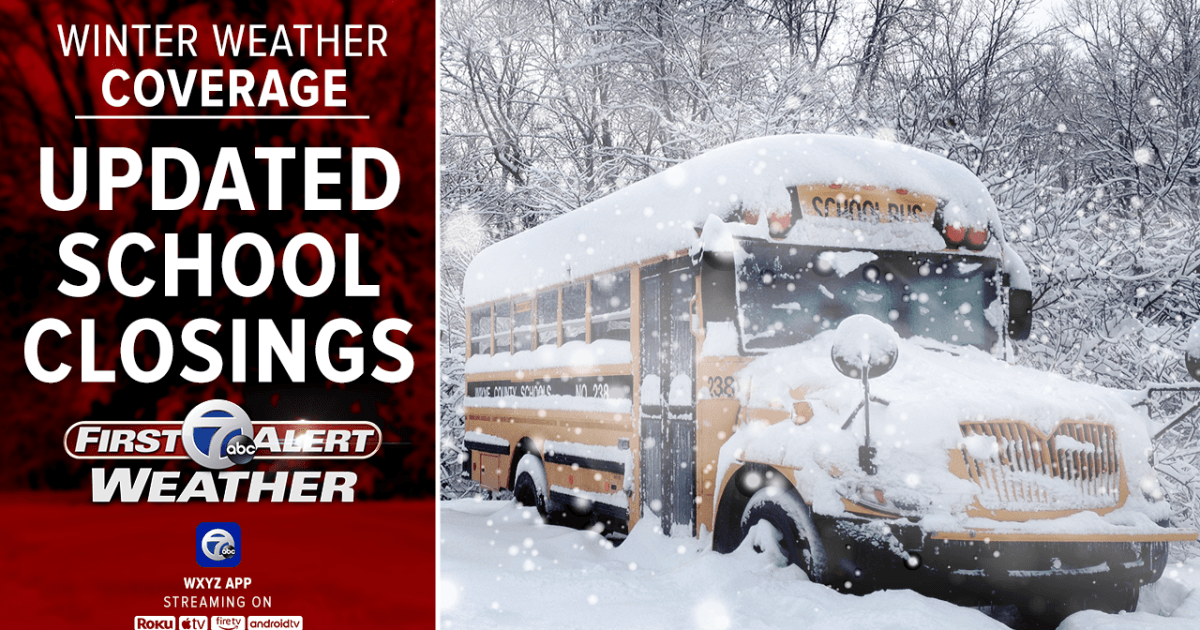
Residents of Metro Detroit are waking up to a frigid Tuesday morning, with a significant number of school districts announcing closures and delays. Dangerous temperatures and the threat of snow have prompted these decisions, impacting thousands of students and families across the region.
A winter weather advisory is in effect for Metro Detroit until 10 a.m. Tuesday, January 20, 2026. This advisory signals hazardous conditions, including low visibility and the potential for accumulating snow, exacerbating the already severe cold.
The Decision-Making Process for School Closings
For students, the prospect of a day off is often a simple matter of checking the news. However, the decision to close schools is a complex one for district administrators, weighing safety against educational continuity.
Factors such as ambient temperature, wind chill, road conditions, and the ability of school transportation to operate safely are critical. School officials closely monitor weather forecasts and advisories from local and national meteorological services.
The “why this matters” aspect of school closures extends beyond a single day of missed instruction. It affects parents’ work schedules, childcare arrangements, and the overall economic activity of the community. For students, it means a disruption to their routine and a potential loss of access to school-provided meals or support services.
Broader Trends and Implications
The current situation in Metro Detroit is part of a larger pattern of weather-related disruptions that have become increasingly common. Climate change is often cited as a factor contributing to more extreme weather events, including prolonged cold snaps and heavier snowfall.
These disruptions highlight the infrastructure’s vulnerability to severe weather. They also underscore the importance of preparedness for both educational institutions and the general public. Communities must have plans in place to adapt to unpredictable weather patterns.
The economic impact of widespread school closures can be substantial. Parents may need to take time off work, leading to lost productivity for businesses. Furthermore, the cancellation of extracurricular activities and sporting events can affect revenue for local organizations and the morale of young athletes.
Looking Ahead: Resilience and Adaptation
As weather patterns continue to evolve, school districts and communities will need to develop more robust strategies for managing weather-related disruptions. This could include exploring options for remote learning on days when in-person attendance is unsafe, investing in better weather monitoring technology, and enhancing public communication systems.
The ability of a community to adapt to such challenges is a testament to its resilience. Metro Detroit’s response to this frigid Tuesday will offer insights into its preparedness for future winter weather events, a recurring concern for many northern-latitude regions.
“A number of Southeastern Michigan schools have already called off for Tuesday as cold temperatures and dangerous wind chills are blanketing the area.”
– WXYZ
Specific Closures and Delays
While the input data does not provide an exhaustive list of specific school closings and delays, it confirms that “a number of Southeastern Michigan schools have already called off for Tuesday.” News outlets are providing detailed lists to help parents stay informed. Families are advised to check their respective school district’s website or local news channels for the most up-to-date information.
The decision to close is typically made by superintendents or a designated board, often in consultation with transportation departments and local emergency management. The safety of students traveling to and from school, as well as the operational capacity of school facilities in extreme cold, are paramount considerations.
The Role of Weather Advisories
The winter weather advisory issued for Metro Detroit is a critical tool in this decision-making process. It alerts residents and officials to impending hazardous conditions that could impact daily life. Such advisories are based on forecast precipitation, wind speeds, and temperature drops that pose a risk to safety.
Understanding these advisories is key for public safety. For school districts, it provides a framework for evaluating potential risks associated with opening school doors. It emphasizes the need for caution and preparedness during periods of inclement weather.
Impact on Students and Families
Beyond the immediate inconvenience, school closures have a ripple effect. Students may miss out on crucial learning opportunities, especially if remote learning options are not readily available or effective. For working parents, unexpected closures can lead to childcare challenges and lost wages.
The social aspect of school is also disrupted. Students miss interactions with peers and teachers, and extracurricular activities that are vital for development are postponed. This highlights the multifaceted role schools play in a community.
Preparing for Future Winter Events
The consistent occurrence of severe winter weather necessitates a proactive approach. School districts are increasingly reviewing their emergency preparedness plans, including protocols for snow days and extreme cold. Investment in heating systems, infrastructure maintenance, and communication technology are ongoing priorities.
The resilience of Metro Detroit’s educational system will be tested by these recurring weather challenges. The way districts navigate these disruptions provides a valuable case study for other regions facing similar climatic conditions.