Analysis: Conflicting Narratives and Political Polarization Following Minneapolis Shooting
The fatal shooting of Minneapolis resident Renee Nicole Good by an Immigration and Customs Enforcement (ICE) agent has become a flashpoint for media and political polarization in the United States. Following the incident, protests erupted, drawing widespread attention and conflicting interpretations of the events surrounding the shooting and the subsequent community response.
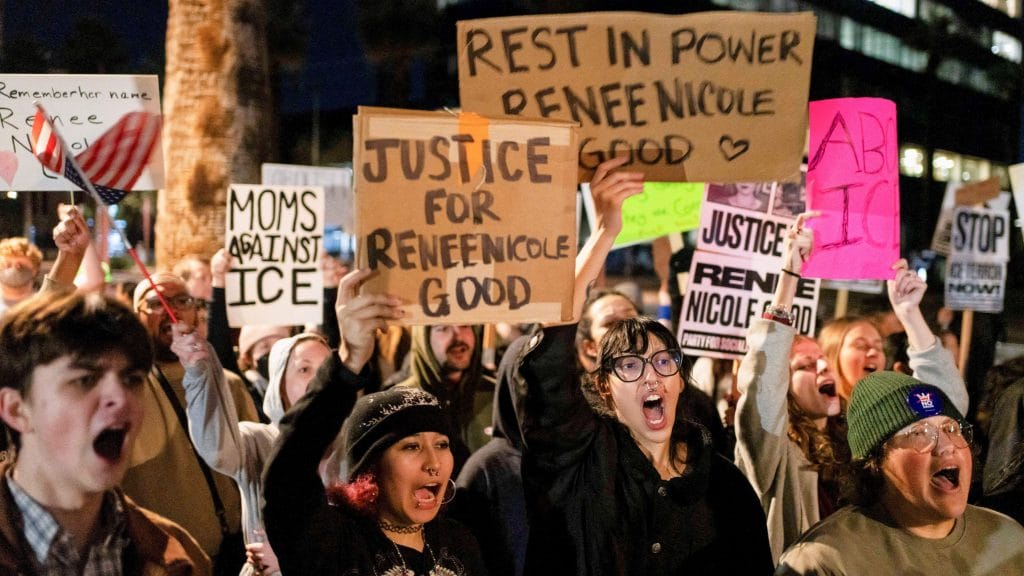
Reports indicate that during the protests, a significant portion of the demonstration focused on the actions of ICE, with participants holding signs and chanting outside the local field office. This public outcry over the use of lethal force by a federal agency quickly became a central news story, but coverage varied dramatically depending on the media outlet.
The Media Divide: Reporting from the Scene vs. Political Framing
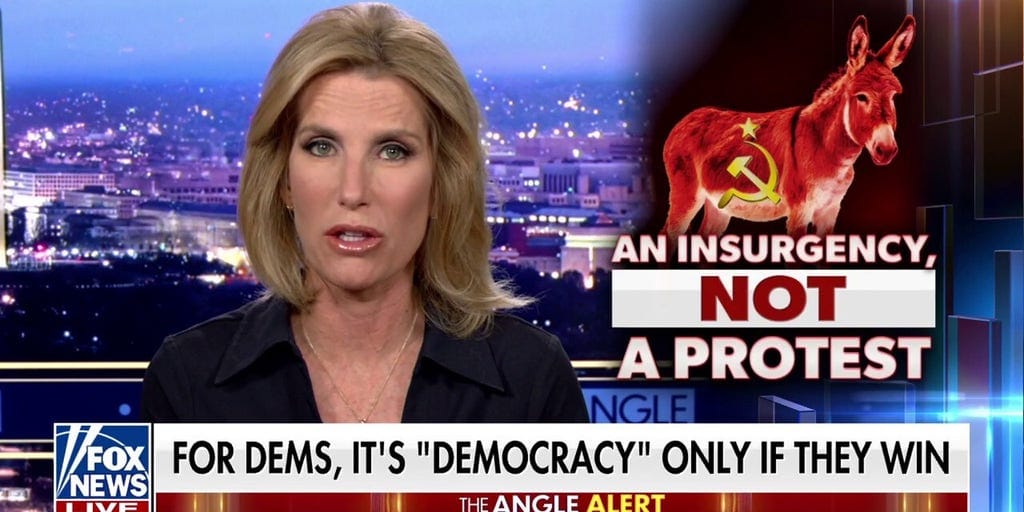
The media’s approach to covering the protests highlights the deep ideological divide in contemporary journalism. A prominent example emerged when Fox News host Laura Ingraham attempted to report from the scene. According to reports, Ingraham received a “less-than-friendly reception,” and was met with hostility from protestors, including being “given the finger.”
This confrontation on the ground underscores the tension between mainstream conservative media narratives and activist sentiment. Ingraham’s subsequent commentary on her show framed the event not just as a tragedy, but as a political weapon. She suggested that, to Democrats, Renee Good’s death was “collateral damage” in pursuit of a broader political agenda.
This rhetoric effectively reframed the narrative from one of community grief and accountability to one of cynical political opportunism, a common tactic in highly polarized media environments. By presenting the victim as “collateral damage” for a political goal, Ingraham minimized the incident itself and maximized its perceived utility in a partisan struggle. This approach shifts focus away from the specifics of the shooting and onto the broader political conflict surrounding immigration policy.
The Role of Federal Agencies in Community Trust
The incident in Minneapolis raises questions about the jurisdiction and accountability of federal agencies like ICE. The shooting occurred within a community setting, sparking immediate local unrest and demands for answers. Protests against ICE operations are not new, but a fatal shooting by an agent escalates the conflict, leading to heightened scrutiny of a federal agency that often operates with significant autonomy, particularly regarding immigration enforcement.
The agency’s role in local law enforcement has long been contentious, with many municipalities adopting sanctuary policies designed to limit cooperation with federal immigration efforts. The Minneapolis incident highlights the direct conflict between federal enforcement mandates and local community concerns, further eroding public trust in institutions already strained relationships.
Divergent Narratives on Protest Motives: Genuine Outrage vs. Organized Instigation
Adding another layer of complexity to the narrative were claims that challenged the authenticity of the protests. Reports surfaced, including one from the input, citing a rioter admitting to being paid while on the streets in Minneapolis. Such claims often emerge during periods of significant civil unrest and are frequently used by opposing political factions to discredit protest movements.
When a large-scale demonstration occurs, the motivations of participants are often debated. While many protestors are driven by genuine outrage over a specific incident like the shooting of Renee Good, claims of outside agitation—that rioters are being paid or are part of a coordinated effort—are used to suggest that the unrest is manufactured rather than organic. This narrative, if widely accepted, can undermine the legitimacy of the entire movement in the eyes of the public and policymakers.
The Broader Political Context: The Insurrection Act and Federal Response
The mention of the “insurrection act” in relation to these events provides a crucial piece of context regarding potential federal responses to large-scale civil unrest. The Insurrection Act, a rarely invoked piece of legislation, grants the president the authority to deploy U.S. military troops or federalized National Guard units within the country to suppress civil disorder, insurrection, or rebellion.
Discussions surrounding the Insurrection Act often arise during high-intensity periods of domestic unrest, particularly when state and local authorities are perceived as unable or unwilling to control the situation. The convergence of a federal law enforcement shooting, subsequent widespread protests, and claims of organized agitation creates a specific political environment where the potential for federal intervention is discussed.
When combined with claims of paid rioters, the narrative can be used to justify a stronger, more centralized federal response. The logic presented by proponents of this approach suggests that if protests are not spontaneous displays of outrage but rather coordinated efforts to destabilize a region, then a more aggressive response, including invoking the Insurrection Act, may be necessary to restore order.
The Media’s Role in Shaping Public Perception of Immigration and Protests
The events in Minneapolis serve as a case study in how media coverage shapes public perception. The specific incident (Renee Good’s death) and the subsequent protests become a stage for competing political narratives. The media’s choice of framing—whether focusing on the community’s demand for justice or the narrative of “collateral damage” and paid instigators—determines how the public understands the significance of the event.
In the current polarized environment, objective reporting is often overshadowed by commentary designed to reinforce existing biases. The input data itself, presenting conflicting views on the protests (e.g., Ingraham’s framing versus reports of legitimate outrage) and the claims of paid agitators, exemplifies this. The market for news is increasingly driven by confirmation bias, where consumers select sources that validate their pre-existing beliefs. This makes it challenging for a unified national narrative to emerge around contentious events like federal agency misconduct or large-scale civil unrest.
Looking Ahead: Navigating Information Wars and Policy Debates
The aftermath of the Minneapolis shooting underscores the challenges of navigating a highly polarized information landscape where specific events are quickly co-opted for broader political struggles. The debate over immigration policy, specifically the actions of federal agencies like ICE, remains a central and emotionally charged topic in U.S. politics.
As long as these agencies continue to operate within communities and new flashpoints arise, the media will continue to play a crucial role in shaping public understanding. The differing narratives surrounding Renee Good’s death and the Minneapolis protests illustrate that the news cycle itself has become a battleground where facts are often secondary to political framing and narrative control.