The Great Winter Conspiracy: How the Media Hypes Up the Fluff
Pardon my French, but are we really supposed to believe that a little bit of snow in December constitutes a major news story? The headlines are screaming about a ‘winter returning’ to wrap up 2025, as if winter didn’t, you know, always return to wrap up the year. It’s a perfect example of what happens when news networks run out of actual news and have to invent a crisis to keep us glued to the screen. The entire affair smells like desperation, a thinly veiled attempt to keep the ad revenue flowing during a traditionally slow news cycle. They’re trying to make us believe that the ‘biggest snowfall in nearly 3 weeks’ is somehow groundbreaking, which, when you break it down, literally just means we had a dry spell for three weeks, and now nature is doing what nature does. It’s the kind of over-the-top, breathless reporting that insults the intelligence of anyone who’s ever lived through a winter north of the Mason-Dixon Line, and frankly, I’m sick of it, because the real story isn’t the snow, it’s the racket behind the reporting.
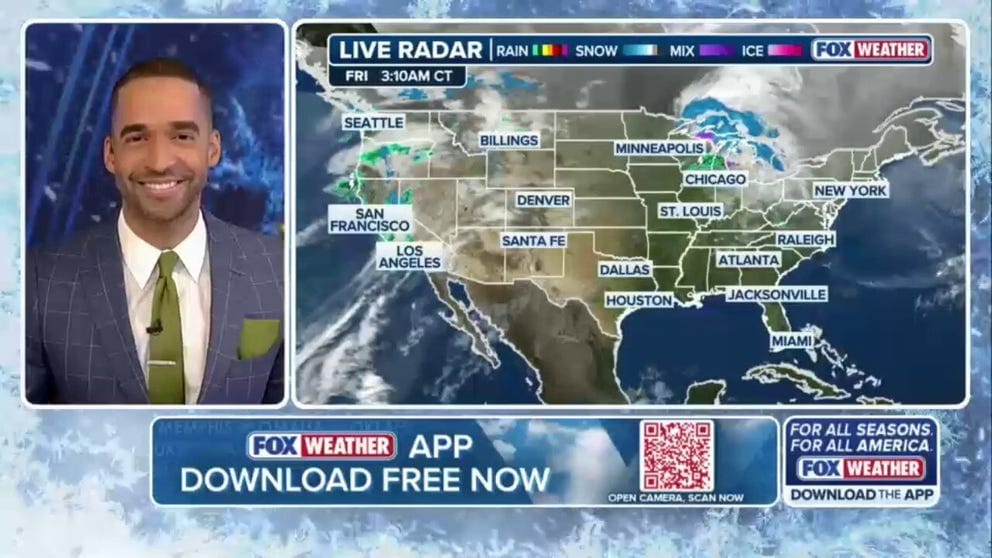
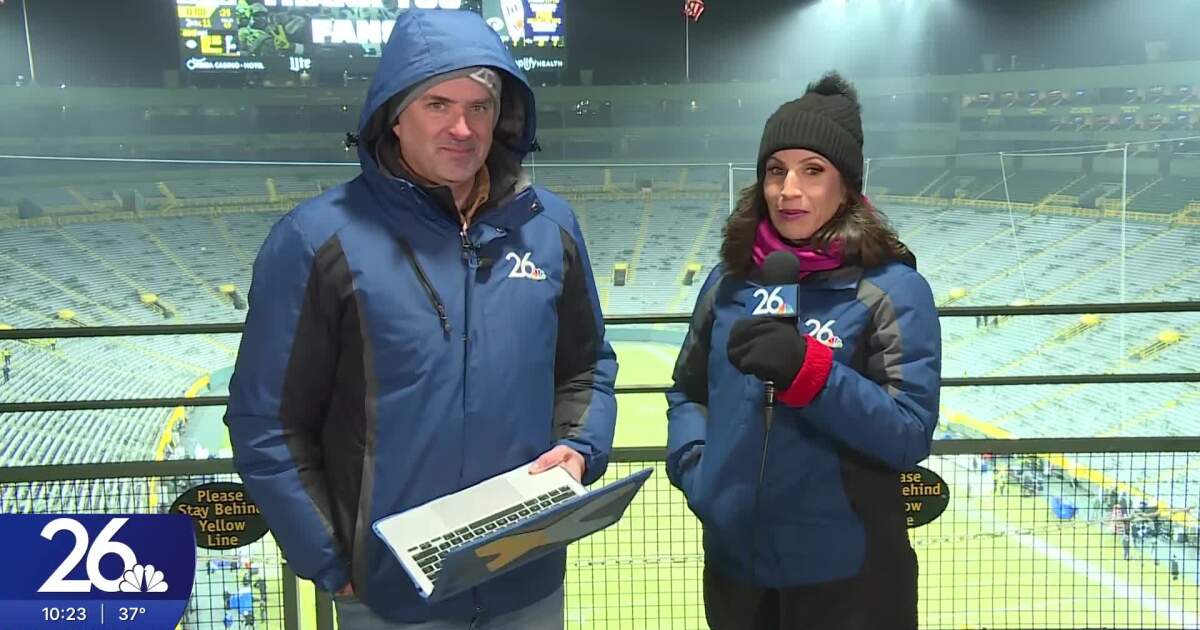
The current state of weather reporting has become a prime example of media sensationalism over substance. We’ve gone from factual forecasts to a high-stakes, dramatic production where every storm system is framed as an impending disaster of biblical proportions, complete with ominous music and breathless reporters standing in wind-blown conditions for dramatic effect. This isn’t journalism; it’s theater, designed to activate our lizard brains and keep us in a state of constant, low-grade anxiety. Why else would FOX Weather and KARE 11 be pushing these stories so hard right after Christmas? It’s simple: post-holiday lulls in advertising revenue require a boost, and nothing boosts ratings like a good old-fashioned panic. The public gets spooked by the ‘ice and snow expected to bring a system to the Midwest and Northeast,’ and suddenly, everyone is running to the store for bread and milk, which in turn benefits the supermarkets that advertise heavily on these channels, creating a perfectly symbiotic, albeit cynical, relationship between fearmongering and profits.
The Scarcity Trap: How Fear Sells
Let’s talk about the economics of fear, because that’s what this really boils down to. When the news cycles start to spin stories about ‘disruptive systems’ and potential blackouts, the consumer reacts predictably. They panic buy. They fill up their gas tanks. They buy generators, batteries, and canned goods. This isn’t just about local grocery stores; this ripples out to energy futures, logistics, and supply chains. By creating a narrative of scarcity and danger, these media outlets essentially become an engine for economic activity, albeit one based on manufactured dread. The phrase ‘Winter returns to wrap up 2025’ sounds almost mythical, a primal threat returning to challenge modern civilization, rather than what it actually is: Tuesday in December.
The specific focus on the ‘biggest snowfall in nearly 3 weeks’ is particularly galling. It’s a classic tabloid tactic: take a statistically insignificant factoid and present it as a momentous event. Imagine a newspaper running a headline like, ‘Biggest rainfall in nearly three weeks hits town!’ You’d laugh. But add the word ‘snowfall’ and suddenly, everyone takes notice. This linguistic manipulation is a form of cognitive bias designed to make us overreact to normal fluctuations in weather patterns. The ‘Weather Whiz’ segments, with their trivial quizzes, are another layer of this distraction strategy. They serve to infantilize the audience, making us think about the weather as a fun, educational game rather than a complex system with real-world implications, all while conveniently ignoring the broader questions about climate change or resource management. They want us to focus on ‘how well have you been paying attention to the weather this week?’ instead of asking why the media is obsessed with turning every cold front into a crisis.
The Central Plains Conspiracy: The Real Story Hiding in Plain Sight
Now, here’s where things get interesting, and this is the gossip the media *doesn’t* want you to hear. Look at the data provided by these outlets: ‘Clear conditions in the Central Plains while a system is expected to bring ice and snow to the Midwest and Northeast.’ The contrast is stark, isn’t it? The media focuses all its attention on the chaos in the Northeast, diverting resources to cover the potential ‘disaster,’ while completely ignoring the ‘clear conditions’ elsewhere. Why? Because clear skies don’t sell. But more importantly, this selective reporting masks a deeper reality about resource distribution and societal planning. The Midwest and Northeast are densely populated industrial and financial hubs. Creating panic there ensures that those regions receive immediate governmental attention and resource allocation, often at the expense of other, less-sensationalized areas. The ‘clear conditions’ in the Central Plains are just a footnote, a non-story that highlights the media’s bias toward the high-population centers where the money and power reside.
Don’t kid yourself. This isn’t just about natural variation. When you look at the historical patterns of weather modification research, specifically cloud seeding and other geoengineering projects, you start to see patterns that challenge the idea of ‘random’ weather events. While the official line is that these technologies are used to increase precipitation in drought-stricken areas or clear fog from airports, the potential for manipulation on a larger scale is often discussed in hushed tones by industry insiders. The media, however, treats anyone who questions the ‘naturalness’ of these events as a conspiracy theorist, effectively shutting down public inquiry into potentially powerful technologies. The constant focus on a predictable snowstorm ensures that no one is asking the real question: are these patterns truly random, or are we witnessing the effects of deliberate interventions that benefit specific corporate or political interests, particularly when we see specific agricultural or energy-producing regions left untouched while others freeze?
The Tabloidization of Climate: From Science to Showbiz
The transition of weather reporting from a scientific endeavor to a form of entertainment—what I call the ‘tabloidization of climate’—has fundamentally altered how we perceive our environment. The input data itself, like the ‘Weather Whiz’ quiz, treats complex atmospheric phenomena as trivia, reducing the severity of long-term climate trends to five multiple-choice questions. This process desensitizes us to the real changes happening globally, making it difficult to differentiate between a normal winter fluctuation and a genuine climate crisis. We are so used to the constant, hyperbolic headlines that when a real, unprecedented event occurs, it blends into the background noise. The media, in its relentless pursuit of ratings, has created a boy-who-cried-wolf scenario. By sensationalizing every single cold front, they have effectively dulled our ability to recognize true environmental threats, which plays directly into the hands of industries that benefit from climate change denial and inaction. It’s a cynical move that prioritizes short-term profits over long-term public safety, and frankly, it makes me wonder if the ‘Weather Whiz’ is actually designed to make us dumber.
Let’s consider the source. The input mentions Scripps Media, Inc. and FOX Weather. These are massive media conglomerates with significant financial stakes in maintaining high viewership. They aren’t just reporting; they are manufacturing content for consumption. The ‘Winter returns to wrap up 2025’ narrative is a carefully constructed marketing campaign. It’s designed to get people talking, sharing, and reacting. The fact that they are hyping a snowfall that’s merely the ‘biggest in three weeks’ reveals their desperation to create a story where none exists. This isn’t just about bad reporting; it’s about a fundamental breakdown of journalistic ethics in favor of spectacle. The public deserves to know the facts without the histrionics. But in a world where attention is the commodity, drama always wins, and the weather, with its inherent unpredictability, is the perfect stage for this perpetual performance. We are trapped in a cycle where the media creates the panic, we react to the panic, and the media profits from our reaction. It’s a closed loop of manipulation that’s turning us all into passive consumers of fear, rather than active participants inquirers into the state of our world.
So, the next time you hear a weather anchor breathlessly reporting on a ‘major winter storm,’ take a step back. Ask yourself if this is truly unprecedented, or if it’s just another Tuesday in December being dressed up as an apocalypse for ratings. The real danger isn’t the snow; it’s the media’s power to manipulate our perception of reality, one snowflake at a time. They want us to stay in fear, because fear keeps us watching, and watching keeps them rich. It’s time we turned off the channel and looked outside for ourselves, because if we keep letting them dictate what constitutes a crisis, we’ll lose our ability to discern the real from the manufactured. The ‘biggest snowfall in nearly 3 weeks’ isn’t news; it’s noise.