The Smoke and Mirrors of a ‘Must-Win’ Game
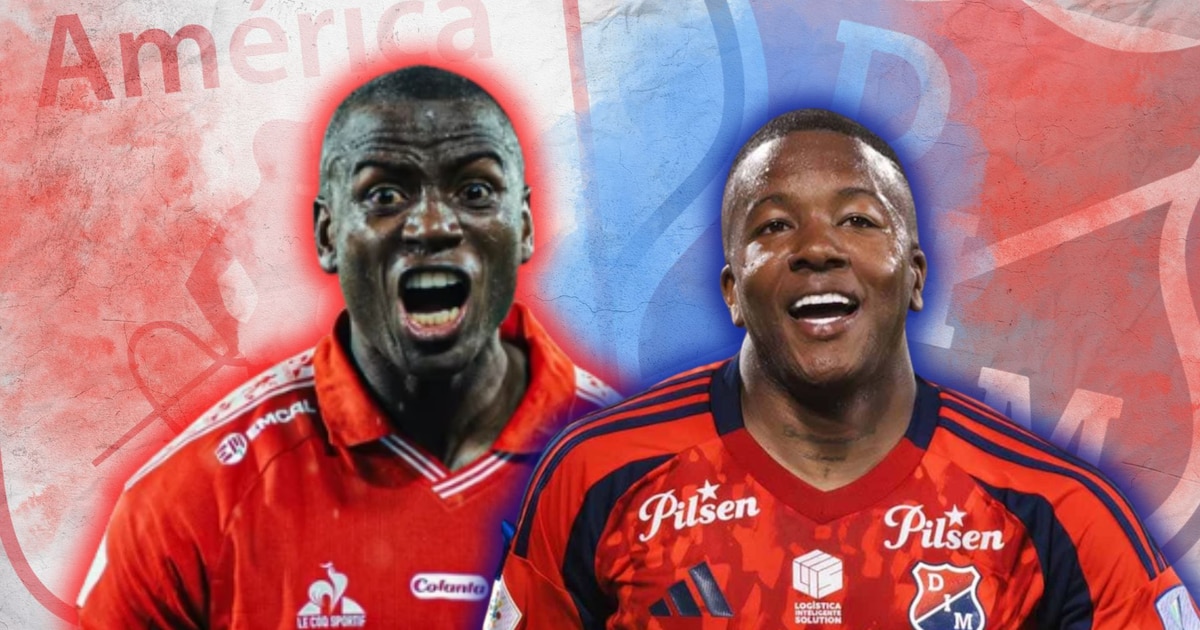
Let’s cut through the noise. The headlines are screaming about a pivotal showdown, a classic “do or die” contest between Independiente Medellín and América de Cali. They paint a picture of athletic heroism and tactical chess at the Atanasio Girardot. They talk about scenarios—what happens if Medellín wins, loses, or draws. It’s all very neat, very dramatic, and almost entirely beside the point. This isn’t about sport. Not really. This is a public audit of two deeply flawed, perpetually desperate institutions clinging to the edge of a financial precipice, and the league itself is the one pushing them towards the fall. This game is a symptom of a disease, not the main event.
The entire premise of the Liga BetPlay’s ‘cuadrangulares’ system is a theatrical masterpiece of manufactured drama designed for television ratings and ticket sales, not sporting purity. You have Medellín, the team that supposedly proved its dominance over the long haul of the ‘todos contra todos’ phase, finishing at the top of the heap. Their reward? Being thrown into a four-team snake pit where a single bad night, a single unlucky bounce, can invalidate months of solid work. It’s a brilliant business model, if you’re a broadcaster. For the clubs, it’s a form of Russian roulette. The pressure isn’t just about lifting a trophy; it’s about securing the massive financial windfall that comes with a championship and, more importantly, a spot in the Copa Libertadores. That’s the real prize. The continental money. That’s everything.
So when we see Medellín, the regular season champions, backed into a corner where anything less than a win is catastrophic, we aren’t witnessing a tale of sporting adversity. We’re watching a club teetering on the brink of a budget crisis. The narrative that they must “win or win” isn’t a coach’s motivational platitude. It’s a direct order from the accounting department. A loss or a draw doesn’t just mean elimination from a tournament; it means a smaller budget for the next season, the potential fire sale of their best players to clubs in Mexico, Brazil, or Argentina, and another cycle of broken promises to a fanbase that deserves so much better. It’s a vicious cycle, and the league’s very structure perpetuates it.
The Weight of History and a Poisoned Chalice
You can’t understand the desperation on that pitch without understanding the baggage these two clubs carry. They are giants of Colombian football, but their shadows are long and dark. Independiente Medellín, the “Poderoso de la Montaña,” lives in a state of perpetual anxiety, constantly fighting for relevance in a city it shares with the more internationally successful Atlético Nacional. Their history is one of brilliant flashes followed by agonizing droughts. This creates a volatile environment where patience is non-existent. The board feels it, the players feel it, and the fans (the ones who truly bleed for the colors) live it every single day. They were the best team in the regular season? Nobody cares now. That achievement is already forgotten, a footnote in the story of their potential ‘cuadrangular’ collapse. That’s the cruelty of this system. It devalues consistency in favor of a few high-stakes, high-revenue matches.
And then there’s América de Cali. “La Mechita.” A club with a history so intertwined with the dark narco-past of the 80s and 90s that it’s impossible to ignore (no matter how much the league office wishes you would). While the club has long since moved on, that history created a culture of success at any cost and a massive, demanding fanbase that expects nothing less than titles. They suffered the humiliation of five years in the second division—an unthinkable fall from grace. Their return to the top flight wasn’t just a promotion; it was an exorcism. But the ghosts remain. The pressure to reclaim their spot at the absolute pinnacle of Colombian football is immense. They aren’t just playing for a semifinal spot; they’re playing to restore a tarnished legacy, to prove they are still the fearsome giant they once were. It’s an almost unbearable weight.
So what you have are two clubs, both fueled by different brands of historical desperation, clashing in a system designed to maximize that very desperation. The players on the field are just the actors in this drama. The real script is written in boardrooms and dictated by broadcast contracts and sponsorship deals. The coaches talk about tactics, about pressing and possession, but they know the truth. Their jobs hang by the thread of a 90-minute result that has less to do with their season-long strategy and more to do with a moment of luck or a refereeing decision. It’s a farce.
The Inevitable, Ugly Aftermath
The final whistle won’t be an ending. It will be the beginning of the fallout. Let’s play out the ugly scenarios the media loves to dissect, but let’s look at what they actually mean. If Medellín fails to win, the machine of blame will roar to life before the players have even showered. It will be swift and brutal. The coach, once hailed for a brilliant regular season, will be branded a failure, a man who couldn’t handle the pressure. The narrative will conveniently ignore the fact that the system is designed to produce exactly these kinds of high-profile flameouts. Star players who might have been heroes a few weeks ago will be labeled as chokers, their transfer values plummeting unless their agents can quickly package them for an exit. The club will issue a statement promising to “rebuild” and “learn from the mistakes,” empty words to pacify a furious fanbase until the cycle can begin anew.
And if they win? What then? A reprieve. A stay of execution. The pressure doesn’t vanish; it simply gets transferred to the next match, and the next. The fundamental problems—the financial instability, the reliance on a volatile tournament structure for survival, the immense weight of expectation—don’t disappear with one victory. They just get a thin coat of paint slapped over them for another week. The win just keeps the machine running, feeding the beast that will eventually consume them anyway. It’s a hollow victory, a temporary fix for a systemic wound.
This match is a microcosm of the sickness at the heart of so much of South American football. We, the outsiders in Europe and the US, are sold a romanticized version of passionate fans and raw, authentic talent. Some of that is true, of course. But underneath it is a rotten foundation of financial mismanagement, short-term thinking, and a crippling dependency on selling its best assets (the players) to stay afloat. The clubs are not developmental institutions; they are frantic commodity traders. This game between Medellín and América isn’t a celebration of the sport. It’s a desperate, frantic scramble for the cash needed to survive another six months in a fundamentally broken system. And the saddest part? No matter who wins on the scoreboard, the game itself has already lost.