McDonald’s McRib Lawsuit: The Big Fat Juicy Lie We All Secretly Knew Was True
Did McDonald’s Deceive Us About the McRib?
Let’s not mince words here; this whole situation smells like a Big Mac left in a car overnight, but not because of the McRib itself. A class action lawsuit is being filed against McDonald’s, claiming the fast-food giant deliberately misled consumers about the ingredients of its beloved (or perhaps just tolerated) McRib sandwich. The complaint argues that the name “McRib” suggests the sandwich contains actual rib meat, specifically from the rib cage, when in reality, it’s a restructured pork patty made from a variety of pork cuts. The lawsuit alleges this is a deceptive business practice. What on earth did people actually think they were getting when they ordered a McRib? Did they imagine a whole rack of ribs being carefully deboned and layered into a styrofoam container, all for a price point that’s less than a decent cup of coffee in most cities? Get serious. This isn’t a high-end steakhouse; this is fast food. This lawsuit perfectly illustrates the gap between consumer expectation and the reality of industrial food production, and it’s a gap that McDonald’s has exploited with remarkable effectiveness for decades. The core of the complaint isn’t just about the meat; it’s about the very nature of a brand promising something that sounds high-quality while delivering something that is decidedly… less so.
The Nostalgia Trap: Why Do We Fall for the McRib Every Time?
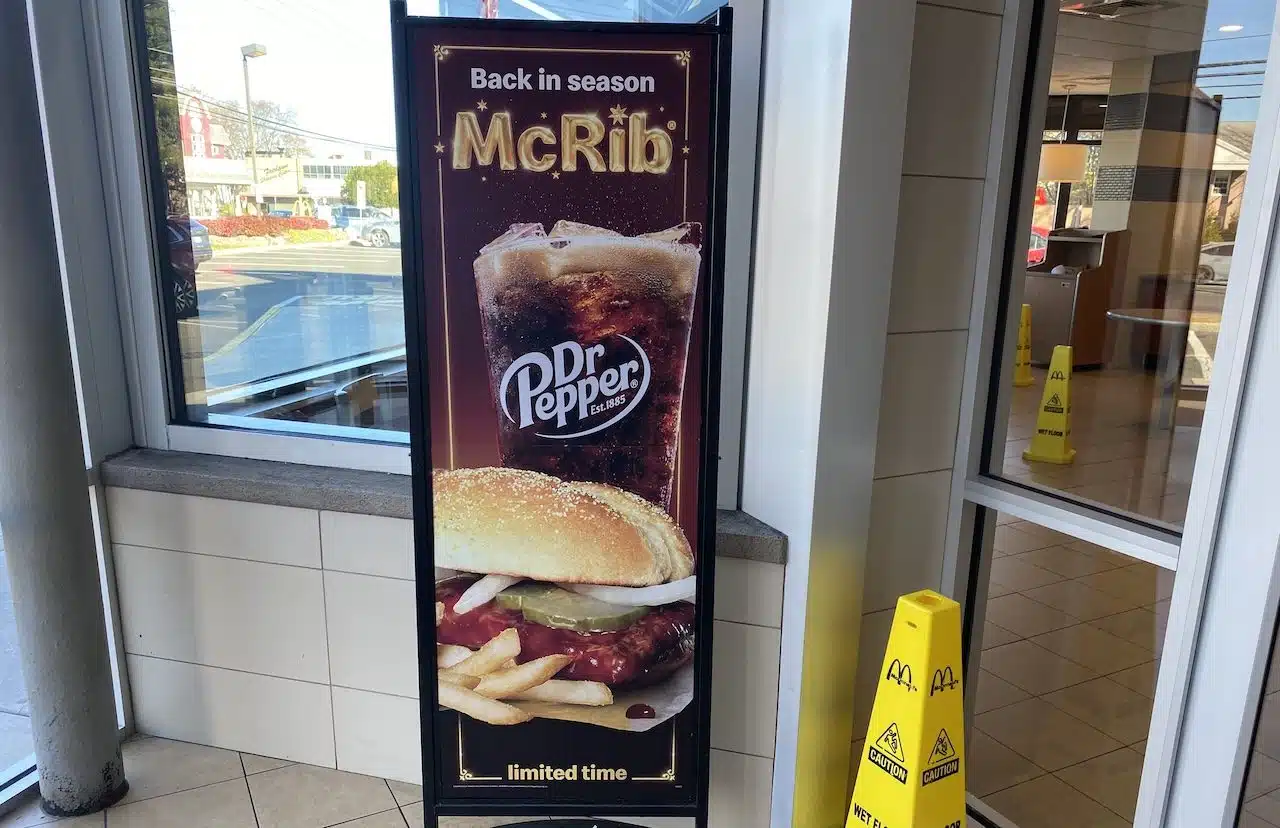
The McRib isn’t just food; it’s an event. It’s a seasonal phenomenon, a marketing masterpiece built on scarcity and nostalgia. McDonald’s brings it back, takes it away, and then a whole generation of people who probably ate it during high school start losing their minds on social media, demanding its return. This cyclical disappearance act is perhaps the most brilliant part of McDonald’s marketing playbook. By making the McRib feel special and elusive, McDonald’s elevates a very mundane product to near-legendary status. But let’s look past the smoke and mirrors. The sandwich itself is a processed pork patty, shaped like a rack of ribs to create the illusion, smothered in a sweet, tangy BBQ sauce that completely overpowers whatever flavor the meat might have. The onions and pickles are just supporting players in this theatrical performance of fast-food convenience. The lawsuit claims that the name itself is the deception, but let’s be honest, we’re not buying the McRib for its culinary integrity; we’re buying it for the memory of buying it. We’re buying a little taste of the past, even if that past was built on a foundation of highly processed pork cuts and a lot of sauce. It raises the question: Are consumers being deceived by McDonald’s, or are they deceiving themselves?
The Food Science Behind the McRib: Restructured Meat and the Illusion of Quality
To understand why a class action lawsuit is even possible, you have to understand a little bit about food engineering. The McRib patty is a classic example of what’s known in the industry as “restructured meat.” This process involves taking smaller, less desirable cuts of meat, grinding them together, adding binders (like salt and water), and forming them into a specific shape using molds. The famous McRib shape, with its little lines designed to mimic a bone structure, is entirely artificial. It’s a design choice, not a natural outcome. The lawsuit argues that this isn’t “rib meat” in the traditional sense, but rather a collection of pork bits. And here’s where the lawyers get technical: The term “rib meat” typically implies meat that has been cut from the rib cage, not a processed patty formed from various other parts of the pig. The distinction is subtle, but in legal terms, it’s the difference between a successful lawsuit and a complete waste of time. The McRib has always been transparent about being a pork patty, but the lawsuit targets the implication of the word “rib.” Are consumers really so naive that they think a fast-food chain is going to serve them boneless rib meat for a few bucks? The bigger picture here is the high-tech wizardry that allows companies to take scraps and turn them into something marketable, making a profit from parts of the animal that would otherwise be discarded. This isn’t just about the McRib; it’s about the entire fast-food industry’s reliance on highly engineered food products. The McRib is just the poster child for this type of culinary sleight of hand.
Legal Precedents: The Subway Tuna Scandal and Other Fast-Food Follies
This McRib lawsuit isn’t happening in a vacuum. It follows a wave of similar class action complaints targeting fast-food companies over misleading ingredients. The most famous recent case involved Subway and its tuna sandwich. A lawsuit claimed that Subway’s tuna didn’t actually contain tuna DNA. While Subway vigorously defended its product, claiming the processing methods made DNA difficult to detect, the very public nature of the lawsuit caused significant reputational damage. There was also a lawsuit about Taco Bell’s seasoned beef, which was accused of being mostly fillers. In many of these cases, the lawsuits eventually get dismissed or settled out of court for a small amount, but they serve to highlight a growing consumer distrust in large food corporations. Consumers are becoming more conscious, or at least more litigious, about exactly what they’re putting into their bodies. McDonald’s, a company that has already faced scrutiny over everything from its marketing to children to the nutritional content of its menu, is now facing a new frontier of legal challenges focused squarely on ingredient transparency. The question isn’t whether McDonald’s will win this specific lawsuit—they probably will, or settle it quietly—but rather, what this signals about the future of fast-food marketing. Will companies be forced to use more descriptive, less flattering names for their products? Will we soon be ordering the “Restructured Pork Patty Sandwich” instead of the “McRib”?
The Consumer’s Role: Naivety vs. Deception
Let’s talk about the plaintiffs for a moment. Are they genuinely outraged that a sandwich, which has been the subject of countless internet memes and deep-dive investigations for decades, isn’t made from prime cuts of meat? Or is this just another attempt to make a quick buck off a large corporation? The line between “puffery”—exaggerated claims that are generally understood to be non-literal—and outright deception is thin. McDonald’s has always marketed the McRib with a wink and a nod, almost as if it’s in on the joke. The name itself is designed to be catchy and appealing, much like “Big Mac” doesn’t mean it’s literally a large meal. The argument could be made that any reasonable consumer understands that fast food involves a certain level of processing and that the names are often descriptive rather than literal. But then again, a consumer shouldn’t have to be a food scientist to understand what’s in their sandwich. The lawsuit highlights a critical cultural shift where people are increasingly rejecting the implied contract with corporations that says, “We’ll sell you cheap food, and you won’t ask too many questions about how we make it.” This specific lawsuit might fail, but the public conversation around food sourcing and transparency is here to stay. The McRib controversy, ultimately, isn’t about ribs; it’s about trust.
What’s Next for McDonald’s and the McRib?
McDonald’s response so far has been predictably vague, stating that the McRib “does not contain any…” before being cut off in the available statements. This lack of clear, direct communication suggests a certain level of discomfort with the public scrutiny. What will McDonald’s do now? They could ignore the lawsuit and continue business as usual, knowing that most fast-food lawsuits fade away. Or, more likely, they will quietly update their marketing materials and website to be more precise about the ingredients, perhaps using the term “boneless pork patty” instead of allowing the ambiguity of “McRib” to continue. The McRib’s seasonal return generates so much hype and media coverage that it’s a valuable asset to McDonald’s, driving traffic and creating buzz during slower sales periods. Will this lawsuit diminish its appeal? Unlikely. The McRib cult following is strong. They aren’t in it for the nutritional value or the high-quality ingredients; they’re in it for the experience. The scandal might even increase its notoriety, making the next seasonal return even more anticipated. The only thing certain here is that McDonald’s will continue to find new ways to market its processed food products, and consumers will continue to either blindly accept or angrily litigate against those marketing efforts. This whole thing is a circus. And we’re all just here waiting for the next round of McRib season to come back so we can complain about it while we eat it.